19 Years with Diabetes, Admitted to a Top University, Successfully Married and Had a Child—Against Diabetes, I'm Shifting from Defense to Offense
My life is somewhat unique. If I have to describe how I feel, it's like being submerged in the deep sea, battling pressure to "level up."
In elementary school, I came down with a strange "cold." Hospitalized and discharged, I thought I had recovered, only to find my life suddenly filled with many new "rituals"—pricking my fingers multiple times daily, injecting myself several times in the abdomen, strictly timing and measuring every meal, and later carrying a small device called an insulin pump everywhere, its long tube connected to a soft needle embedded beneath the skin of my belly.
I vaguely sensed that I seemed to have been seized by something, as if I had lost something very important—it was only years later that I learned this condition had a rather unpleasant name: type 1 diabetes.
Many people don't realize that diabetes is divided into type 1 and type 2. Completely different from type 2, which typically affects middle-aged and elderly individuals, type 1 has an early onset, requires long-term insulin injections, and carries a very low probability of being passed on to offspring.
For me back then, the most immediate suffering this disease brought was the pain in my fingers from being pricked—so much so that even touching water hurt. The injection sites on my body were always bruised and discolored, and I eventually developed a conditioned reflex: seeing high blood sugar readings would instantly make me irritable.
During middle school, because of the injections, my "dawn phenomenon" was very severe—most afternoons, my blood sugar would skyrocket. Back then, for convenience at school, I used urine glucose test strips, and they'd often show a dark brown "4+".
My father coordinated with the school to arrange for me to commute daily. So every day I walked home, incorporating some exercise to suppress the "dawn phenomenon."
My father also helped me apply for early dismissal, so I didn't have to attend the last class each day. This unexpectedly developed my ability for "speed learning" during the second-to-last class.
I remember one time when the physics teacher was writing problems on the blackboard. As I copied them, I simultaneously solved them. Just as the teacher finished writing the last problem, took a sip of water and was about to sit down, I ran up to hand in my paper. I saw surprise in the teacher's eyes. He checked it and said, "Hmm, all correct." Right then, the bell rang, and I grabbed my backpack and ran out. That moment—was my highlight.

Every time I started my early journey home, I would take my tape recorder to practice English listening, speaking, or recite ancient Chinese texts along the way. I often used evening self-study sessions or time squeezed out in the afternoon to complete any tasks I missed due to my absences. My grades didn't suffer because of commuting—I consistently ranked at the top and later successfully got admitted to our local top high school.
In high school, academic pressure surged suddenly, and so did the pressure of managing my diabetes. My parents often told me how difficult life would be for someone with diabetes without a good education. These well-intentioned reminders became a third source of stress, pushing me gradually toward depression and breakdown.
During my senior year, I performed disastrously in the first and second mock exams. Filled with disappointment, I even wanted to skip school. When my homeroom teacher inquired with concern, I couldn't bring myself to explain, as I couldn’t reveal my condition. But it was so hard—dealing with both studies and diabetes management. I felt like such a failure—poor exam results and blood sugar levels spiraling out of control. It seemed I couldn’t do anything right, couldn’t control anything…
That day, I collapsed onto my homeroom teacher’s desk, crying uncontrollably.
That day, my teacher said many things, and somehow, the pressure I felt seemed to lift. From then on, I learned a phrase: "Do your best and leave the rest to fate." Gradually, I regained my composure and confidence.
I told my mom on the day of the college entrance exam that I wanted to go to the test center alone, just like going to school on ordinary days.
Walking through the school gate crowded with people and cordoned off with barriers, I tried my best to calm down. Entering the examination room, my mind was unprecedentedly composed. After placing the sugar water prepared to prevent hypoglycemia, I silently told myself this was just a regular test...
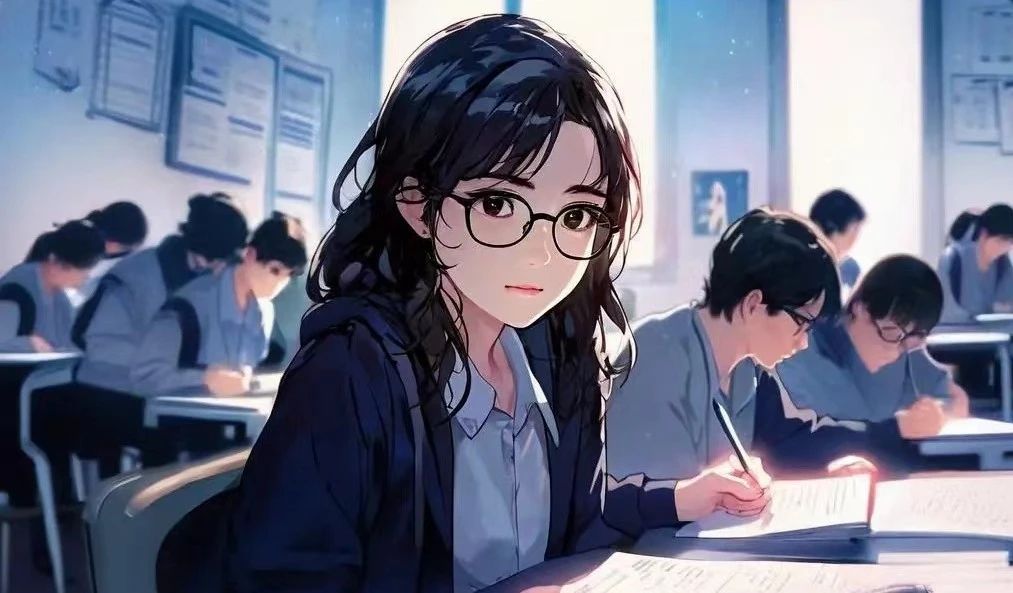
After finishing the exam and returning home for dinner, my eagerly anticipating mother had already prepared the meal. After eating, I headed back to the exam hall. Once a subject's exam was completed, I completely put it behind me, using sheer willpower to focus. Years of perseverance and effort translated into one answered question after another on the test paper.
On the day when college entrance exam results were announced, I saw my satisfactory score—I had been admitted to a top-tier university!
When fate presented me with thorns, I repaid it with the roses of struggle!
I happily spun around in my room, feeling as if the omnipresent pressure around me suddenly vanished. I broke through the sea surface, light as a seagull, soaring beneath golden-edged dark clouds...
At the beginning of university, I still kept my secret. I often hid in restrooms or behind bed curtains to inject insulin and check blood sugar. During military training, I joined the infirmary platoon. I "lurked" among ordinary people, carefully weighing every action to avoid exposure—yet my heart longed to live in the sunlight.
On an ordinary evening, everyone in the dormitory was sharing their unknown secrets. I suppressed my choking voice, tried to calm myself, and told my secret to my roommates. Things weren't as awkward as I had imagined—instead, it was warm and lighthearted. Just like that, I overcame what I thought was an insurmountable mental barrier and began opening up my heart to embrace the world.
Little did I expect that the world would teach me a harsh lesson in reality.
I fell in love with a guy from my school. We were inseparable on campus, but during summer vacation, it happened to coincide with my regular hospitalization for blood sugar adjustment. Every time he video-called me, I would change out of my hospital gown and step outside the ward, terrified he might notice I was in the hospital.
I wasn't mentally prepared to tell him the truth, but the guilt inside gnawed at me. Finally, in the second month, I chose to come clean.
At that moment, I buried my head in my arms, just like an ostrich. Though mentally prepared, I had still held hope, yet his words "let's break up after graduation" struck me like thunder.
I suffered frequent insomnia, cried silently alone, and often woke from dreams with tears streaming down my face.

But I couldn't accept such a proposal—I didn't need pity, nor could I tolerate any compromise!
That winter was exceptionally cold. I numbed myself with studying to avoid overthinking, often staying alone in the classroom for night study until 10 p.m. Even wrapped in a thick down jacket, the biting wind seemed to pierce through my bones. Yet this icy chill was nothing compared to the pain in my heart—not even one ten-thousandth of it. I severed all possible chances of encountering him, and we never met again before graduation.
I quietly digested this failed relationship. In this romance, my love died, but my heart didn't. I firmly believe there must be someone in this world who will wait for me and love me.
Sometimes fate can be so mischievous: when you feel like you're soaring through the clouds, it will ruthlessly trample you back underground; yet when you feel stuck in the mire, unable to extricate yourself, it helps rekindle hope.
I met someone again. We encountered, understood, and fell in love with each other. I was still afraid of rejection and abandonment, but I refused even more to bear the inner guilt of choosing concealment or even deception.
When I calmly told him my secret with almost an understated tone, he responded gravely, saying, "I'll think about it," and my heart sank deep into the ocean once more.
A few days later, he appeared before me again, as solemn as ever. I lowered my gaze, as if awaiting the verdict of fate.
What did I hear?
He said he actually didn't mind my condition. He explained that to shoulder this responsibility properly and out of sincere consideration, he needed time to think carefully before giving me a casual answer. Now he had come to deliver his solemn reply—he loved me!
Suddenly, overwhelming love and joy flooded my heart—to hell with solemnity! At that moment, all I wanted was an embrace!
This extremely serious person later became my husband.

Life is about climbing up and down mountains - after crossing one peak, there stands another towering mountain.
I have polycystic ovary syndrome (PCOS), yet another endocrine system disorder that women with type 1 diabetes may encounter.
This condition plagued me from adolescence through marriage. Being unable to conceive caused me immense distress. I began consulting renowned specialists - scrambling for midnight appointment slots, often taking several-hour train rides, even staying near major hospitals a day in advance. Yet the doctors would dismiss me with just a few words, leaving me with no resolution, trapped in endless cycles of hope and disappointment that utterly exhausted me.
I resumed seeing an experienced traditional Chinese medicine practitioner, traveling to another city once a month through referrals from relatives and friends, preparing and drinking herbal decoctions. The veteran TCM doctor consistently encouraged me, saying that although my condition was complex, I would surely conceive a child.
During the time I was taking traditional Chinese medicine, I also read literature, researched materials, and joined patient groups for discussions. I gained more understanding about this condition—it's not something that can be resolved simply by medication alone. It requires a combination of a healthy lifestyle, including diet, exercise, daily routines, and emotional management. I created my own plan: maintaining a positive mindset every day, finding ways to reduce anxiety, eating healthy foods, ensuring adequate sleep, and sticking to aerobic, anaerobic, and muscle-building exercises.
My husband became both my supervisor and companion. We prepared for pregnancy together and encouraged each other. After over a year of seeing this traditional Chinese medicine practitioner, there were still no results. Even after adjusting and increasing the dosage without significant improvement, the doctor suggested I stop the medication for a while. It felt like my situation had hit another dead end.
I felt like even the doctor was giving up on me. Despair and anger overwhelmed my heart.
“Fine, I’ll give up on having a child.” I laid it all out, resigned completely. From then on, I stopped taking the medicine and stopped seeing any doctors. Deep down, I thought, maybe it just wasn't meant to be.
My husband didn't say anything, and we went out to relax whenever we had time. After stopping the medication, my period didn't come as expected. With a "what will be will be" attitude, I let things slide, never expecting to see those longed-for two lines on the pregnancy test strip.
I'm pregnant!!!

After confirming my pregnancy, the first thing I did was check my HbA1c, which was 6.6. Since I'd been on injections those past few months, my blood sugar control hadn't actually been very good. I immediately switched to an insulin pump, using it together with CGM to carefully nurture the little life growing inside me.
During prenatal checkups, I truthfully informed my OB-GYN about my health condition. I went for regular examinations and supplemented with folic acid, vitamins, etc. In early pregnancy, I experienced morning sickness which severely disrupted my eating patterns - I'd feel hungry but couldn't stomach food. Eventually, I adopted the approach of eating first then injecting insulin, estimating the insulin dosage based on how much I'd eaten.
As the pregnancy progressed, the insulin dosage kept increasing. I made time for daily walks while studying pregnancy and baby care knowledge. Around 20 weeks, I felt my baby's first movements - like a tiny butterfly gently fluttering its wings in my belly, melting my heart completely.
With all prenatal checkups going smoothly, my confidence grew stronger. Though my blood sugar occasionally spiked to 16 mmol/L due to malfunctioning CGM sensors showing discrepancies with fingerstick readings, I reminded myself not to panic. My focus remained on maintaining good subsequent glucose control and staying positive - there's no use crying over spilled milk.
I also experienced anxiety during the late stage of pregnancy for a short period. At that time, insulin resistance was severe - insulin seemed like water, where injections had no effect, yet my blood sugar remained stubbornly high, or its action was delayed. For several days, my nighttime readings stayed elevated, preventing me from sleeping. I would pace alone in the living room until seeing my blood glucose begin to trend downward, only then daring to go to bed.
Through strict blood sugar control, my levels gradually stabilized, achieving over 90% time-in-range nearly every day. By the time I reached my due date, my HbA1c had dropped to 5.6.
I endured through all these challenges, and my baby arrived right on schedule, remaining perfectly healthy to this day.
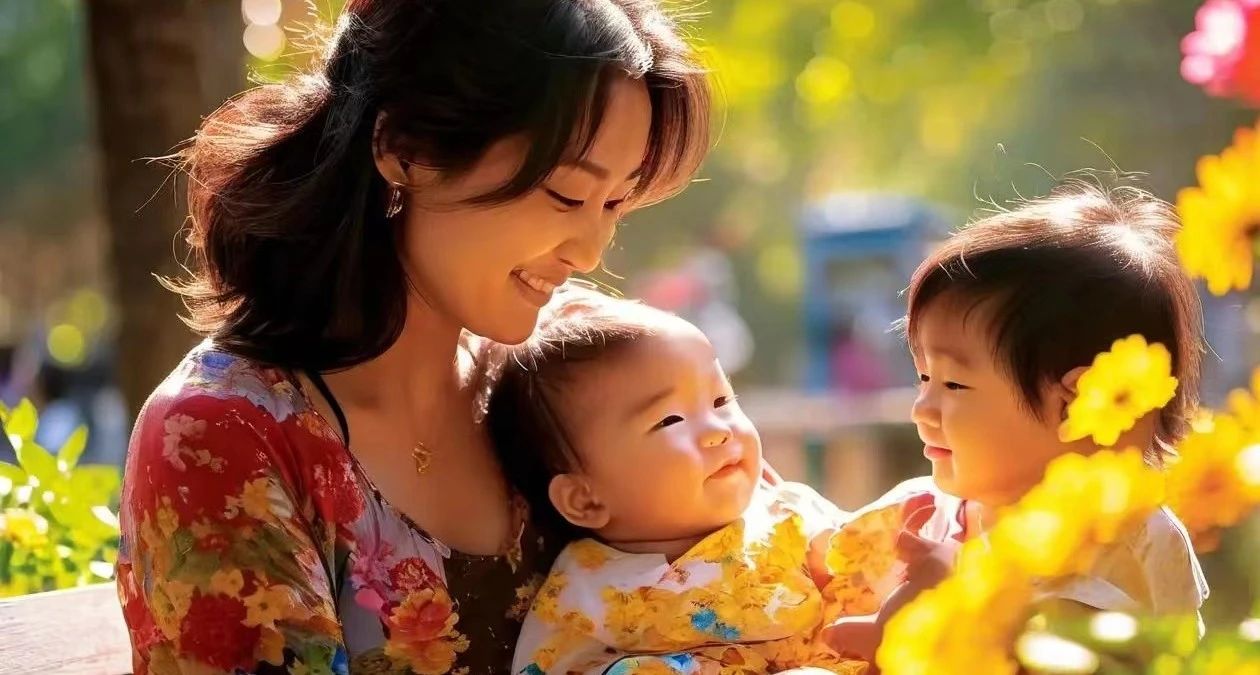
Looking back - falling ill, pursuing education, falling in love, working, and having a baby - every step of my journey has been difficult, yet each step followed my own rhythm. At some point, a new conviction took root in my heart:
What I've experienced is the path that fellow diabetes patients may walk in the future. In the first half of my life, I was often caught off guard by diabetes, but now—"the light boat has passed through countless mountains."
Armed with more knowledge, experience, courage and confidence, it's time for me to switch from defense to offense—to launch an attack against diabetes!
I want to become an honorable volunteer, to seek out those who've recovered from diabetes and PCOS patients who've regained health, because each of them is a beacon—every survivor's experience and lessons can illuminate the path to recovery for fellow patients.
I've sunk into the deep sea and soared through the skies. Now I'm here in the ocean's azure, basking in sunlight and life. I'm searching for you, waiting for you, believing that one day together we'll welcome that future when diabetes is finally cured.
Wishing you successful diabetes management while living your best life!
If you are a Type 2 diabetic who has reached the stage where you no longer need injections or medication to maintain normal blood sugar levels;
If you are a Type 1 diabetic still in the "honeymoon period" or can maintain blood sugar within normal ranges using insulin.
If you are willing to share your experiences and lessons, please click here: Diabetes "Recovery" Clues Collection to fill out the questionnaire.
If you know someone who has recovered from diabetes, please share this article with them.