The Epic Reversal of Metformin: A Century-Old Saga Between a Poisonous Plant and Humanity
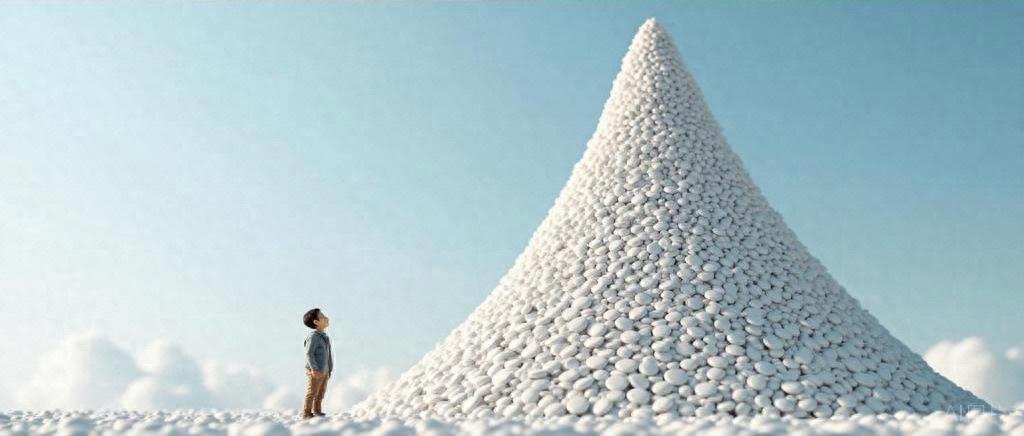
Big Name: Metformin
Secret Technique: Clamping down on the liver's midnight sugar production, waking up lazy muscles that refuse to work, and setting up sugar-control speed bumps in the intestines.
Ultimate Move: Lowers blood sugar without causing hypoglycemia, and even helps with weight loss for those carrying extra fat.
Hidden Skill: Fights cancer, protects the heart, boosts fertility, and challenges aging—truly a "hexagonal warrior" in the medical world.
Once known as the "devil's herb" that poisoned flocks of sheep in the Middle Ages, it was burned, cursed, and shelved for half a century. Yet, a hundred years later, it staged a stunning comeback as the "undefeated champion" of blood sugar control. The story of this seemingly unremarkable white pill holds one of the most dramatic reversal scripts in medical history.

Bloody Dawn of the Middle Ages: The Curse and Redemption of Goat's Rue
1.1 The Bloody Morning in Provence
Autumn of 1273, as the morning mist still lingered over the mountains of Provence, France, shepherd Pierre knelt trembling in the muddy village square. Three days prior, he had mixed the blooming purple goat's rue from the hillside into the flock's feed, causing the ewes' milk to flow like springwater - a sight that had villagers clamoring to taste.
But now, his sheep lay convulsing in disarray, white froth bubbling at their mouths, while children burned with fever from drinking the milk. Torch-bearing villagers surrounded him in anger as the priest raised a silver crucifix and shouted, "This is Satan's temptation!" When Pierre was tied to an oak tree and burned alive, the stench of charred flesh mingled with goat's rue's peculiar sweetness, lingering stubbornly in the morning breeze.
1.2 The Life-and-Death Gamble in the Laboratory
In the deep winter of 1918, the kerosene lamps flickered in the biting wind at University College Dublin's laboratory. Professor Emil Werner injected goat's rue extract into the ear vein of the 37th experimental rabbit. His assistant Charles stared at his pocket watch and recorded: "Blood glucose dropping by 0.5mmol/L per minute!"
Suddenly, the rabbit convulsed violently, knocking over its iron cage. Werner rushed to restrain its trembling body, only to feel the despair of cardiac arrest in his palm. He grabbed an ink bottle and hurled it at the wall, the dark purple stain resembling coagulated blood: "Damn this poison! The line between lowering blood sugar and lethality is razor-thin!"
1.3 A Discovery Buried by History
In April 1929, Werner's assistant James Bell discovered a box of moldy notebooks in the laboratory basement. The yellowed pages contained the synthesis formula for metformin, with the footnote "1922.11.30"—the very day after insulin had taken the world by storm. Bell rushed into Werner's hospital room with the documents, and the terminally ill professor, gasping from advanced lung cancer, whispered: "Leave it... for those who need it..."
Three weeks later, Werner's obituary occupied merely three small lines in a corner of The Irish Times, while the front page was entirely devoted to reports about Banting, the inventor of insulin, winning the Nobel Prize.
A Lonely Star in the Dark Night: The Rise and Fall of the Biguanide Family
2.1 Midnight Conspiracy at the Paris Clinic
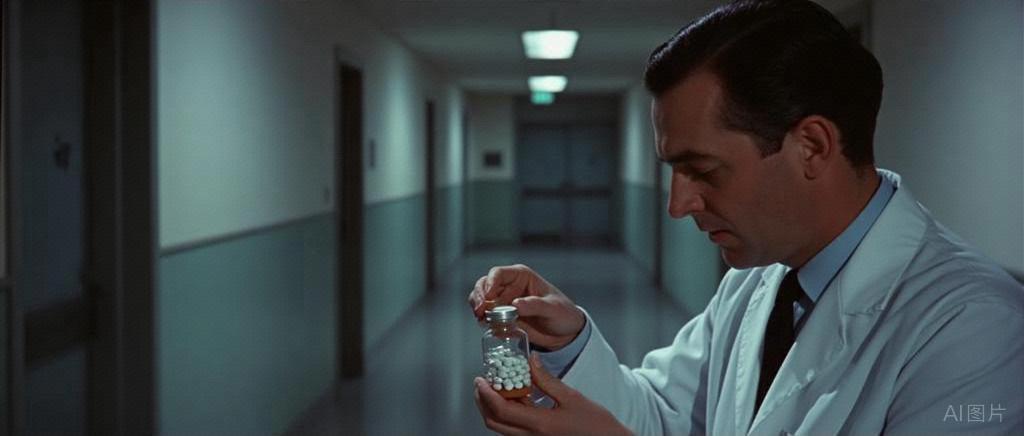
On Christmas Eve 1957, the corridors of Hôpital Saint-Louis in Paris stood empty. Dr. Jean Stern stuffed ten white tablets into a bottle labeled "Vitamin B," the cold sweat in his palm nearly soaking through the label.
On the hospital bed lay Madeleine—an obese patient with abscess-covered thighs caused by insulin injections. "Try this new vitamin," his voice trembled. Seven days later, Madeleine burst into the clinic holding a glucose meter, the reading of 6.7 mmol/L flashing on the display like triumphant fireworks.
2.2 Dark Humor Across the Atlantic
New York, 1968. Pharmacist Tom hummed a tune as he stocked shelves with bottles of phenformin. The television played an exaggerated ad: "No diet needed! Two pills a day, sweet and worry-free!" After swallowing them for three months straight, housewife Emma suddenly collapsed in a supermarket. In the ER, the attending physician shook his head at the blood gas analysis showing a lactate level of 9.0 mmol/L: "Prepare the death certificate." That night, Emma’s husband stormed into the pharmacy with a shotgun, shattering 200 bottles of the diabetes drug in a hail of gunfire. The next day, The Wall Street Journal’s front-page headline screamed:
2.3 The Resurrection Ritual at Cambridge Lab
In the early spring of 1974, the physiology laboratory at Cambridge University was filled with the sour odor of lactic acid fermentation. Professor John Davies divided 20 foaming-mouthed rats into two groups, administering metformin to one group. At dawn the next day, his assistant exclaimed in amazement: "All the medicated rats survived!"
Under the microscope, the once swollen and ruptured mitochondria miraculously began rotating again under the drug's influence, converting lactate into ATP energy. Davis grabbed his pen and scrawled across The Lancet's submission letter: "This isn't detoxification—it's the alchemy of life!"

The Return of the King: Birth of a Global Conqueror
3.1 Two Decades of Vigil at Oxford
On September 13, 1998, the air in Oxford University's lecture hall became almost palpable with tension. Professor Robert Turner's hand trembled as he clicked the laser pointer, revealing twenty years of research data on the projection screen: a 39% reduction in cardiovascular mortality in the metformin group. The room erupted in tsunami-like applause.
In the back corner, Jean Stern's widow clutched her husband's antique pocket watch, tears welling in the cracks of its glass face. "If only he could have seen this..." The next day, The Times devoted its entire front page to the headline: "The D-Day of Diabetes Treatment."
3.2 The Icebreaking Journey Along the Yangtze
In the late autumn of 2005, the endocrinology clinic at Shanghai Ruijin Hospital was thick with tension. Sixty-eight-year-old Li Jianguo slammed the table and roared, "I've been on insulin for ten years—why should I switch to these little white pills?" As young Dr. Lin wiped cold sweat from his temple, he suddenly spotted a copy of *Romance of the Three Kingdoms* peeking from the patient's coat pocket. Seizing inspiration, he countered, "Guan Yu endured bone-scraping to cure poison—would you dare to try Zhao Yun's 'ever-victorious medicine'?"
Three months later, Li Jianguo burst into the clinic carrying a silk banner emblazoned with seven golden characters: "Changshan little white pill - the Zhao Zilong of blood sugar control!"

The Multiverse of a Crossover Superstar
4.1 The Double Agent in the Battle Against Cancer
In 2025, a spy thriller was unfolding under the microscope at a University of California laboratory. Nanoscale metformin disguised itself as glucose and infiltrated cancer cells before suddenly revealing its true identity: "I am Glucophage!" Instantly releasing chemotherapy warheads while simultaneously sending Morse code to healthy cells: "Safe house coordinates updated—evacuate immediately!"
Clinical trials showed this "Trojan horse" tactic reduced breast cancer metastasis rates by 58%.
4.2 The Longevity Code of Sardinia
On the hills of Sardinia, Italy, 103-year-old Grandma Maria is picking fresh goat's rue leaves. "This is my grandmother's secret recipe," she says, handing the herbal tea to an anthropologist. Laboratory tests reveal that the concentration of natural guanidine compounds in the tea rivals that of metformin tablets.
When asked about her secret to longevity, the old woman twinkles her azure eyes and laughs: "Drink the devil's gift every day, and bargain with God."
4.3 The Miracle of Life in a London Hospital Ward
Nurse Emily caressed her rounded belly as the ultrasound screen displayed the synchronized heartbeats of twins, pulsing like intertwining drumbeats. Over a decade since her polycystic ovary syndrome diagnosis, she had endured 17 failed IVF attempts—until meeting metformin, this magical compound that resurrected dormant ovarian follicles.
"They are nicknamed Met (short for Metformin) and Formin (the suffix for biguanides)," the obstetrician wrote in the medical record: "The romance of modern medicine."

A pill that illuminates human civilization
From the stakes of Provence to the electron microscopy labs of Cambridge University, metformin's century-long odyssey reflects the glimmer of civilization:
The Life-Risking Observation Validated by Shepherd Pierre
Dr. Stern's High-Stakes Gamble on the Edge of Ethics
Professor Davis' Desperate Counterattack in the Lactic Acid Pool
Today, 150 million people worldwide swallow this white shield daily—protecting not just blood sugar levels, but humanity's reverence for knowledge, resistance to prejudice, and humility toward life.
As written in the *Science* magazine's special centennial issue commemorating metformin: "The greatest medicines often emerge from the dust of rejection—for there lie civilization's deepest roots."