Taking acarbose long-term without paying attention to these 4 points is not only a waste of money but also prone to side effects!
A while ago, I was just diagnosed with diabetes and can't eat anything sweet at all. I originally planned to buy some blood sugar-lowering medication, but my friend recommended acarbose. I'm not very familiar with it, so I'd like to ask: does acarbose contain sugar? What are its effects, and can I take it?
Under what circumstances can acarbose be taken?
Acarbose is a new type of oral anti-diabetic medication and the first-choice drug for lowering postprandial blood sugar. By inhibiting the activity of glycosidase in the intestines and delaying the digestion and absorption of glucose, acarbose not only reduces blood sugar fluctuations throughout the day but also helps improve insulin resistance.
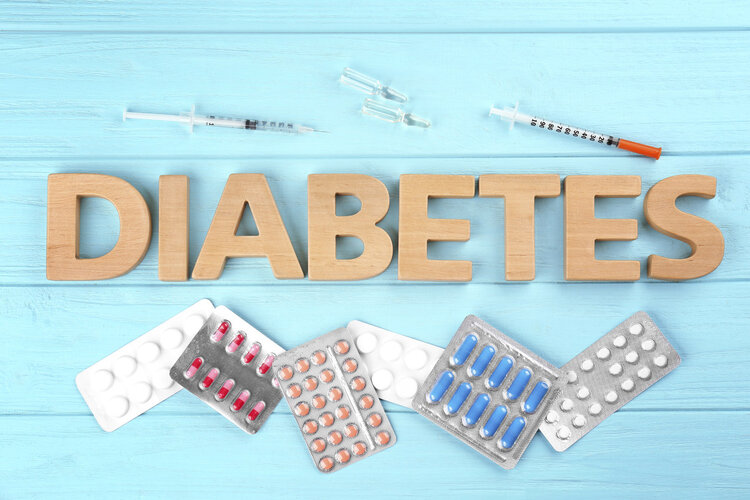
Acarbose is primarily indicated for both insulin-dependent and non-insulin-dependent diabetes mellitus, and can also be used in combination with other oral hypoglycemic agents or insulin.
Therefore, for individuals with prediabetes, poorly controlled type 2 diabetes despite diet and exercise, or type 1 diabetes patients, acarbose can be used under medical supervision to achieve postprandial blood glucose reduction.
What are the potential side effects of long-term acarbose use?
After taking acarbose, on one hand, due to impaired carbohydrate decomposition and absorption in the small intestine, prolonged intestinal transit time leads to increased gas production from bacterial fermentation, which may cause gastrointestinal disorders including abdominal distension, pain, diarrhea, constipation, and excessive flatulence.
On the other hand, acarbose slows down the decomposition of sucrose into fructose and glucose. When used in combination with sulfonylureas or insulin, it may cause hypoglycemia. If symptoms of acute hypoglycemia occur, glucose should be promptly supplemented. However, acarbose alone generally does not cause hypoglycemia.
Additionally, since acarbose is not metabolized by the liver or kidneys but is primarily degraded in the intestines or excreted unchanged in feces, it may increase the burden on the liver and kidneys in diabetic patients with hepatic or renal insufficiency when drug excretion is impaired.
Consequently, taking acarbose may lead to elevated transaminase levels, causing jaundice and potential liver or kidney function damage.
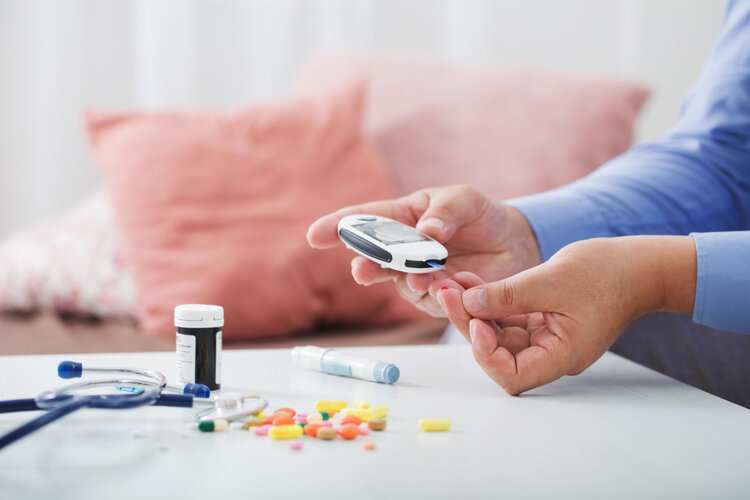
Precautions for Administration
The blood sugar-lowering effect of acarbose is evident; however, as a prescription medication, individuals with diabetes should take it under medical supervision. Moreover, the following precautions should be observed when taking this medication:
1. Start with a low dose. When beginning acarbose treatment, the recommended dosage is 50 mg per dose, three times daily—equivalent to one tablet taken before or during meals. After maintaining this low dose for some time, if blood sugar control improves significantly and the body tolerates it well, the dosage can be increased to 100 mg per dose, three times daily.
2. Pay attention to dietary combinations during medication and do not skip staple foods. Ensure sufficient carbohydrate intake in each meal, increase the proportion of starch, and reduce the proportion of sucrose to ensure drug efficacy.
3. Monitor liver function daily during medication to allow timely intervention in case of abnormal liver function. Additionally, avoid taking it with drugs such as smectite and cholestyramine that act in the intestines to prevent worsening gastrointestinal discomfort.
4. Acarbose is contraindicated in individuals with allergies to the drug, diabetic acidosis or ketoacidosis, intestinal obstruction, hernias, severe kidney impairment, or chronic gastrointestinal disorders to avoid adverse reactions.
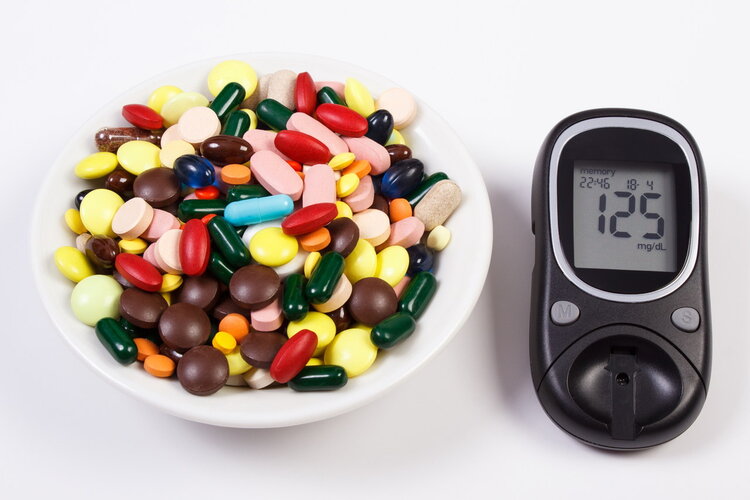
To avoid adverse reactions after taking acarbose, it's recommended to start with a small dose and gradually increase it. If acarbose causes hypoglycemia, glucose can be appropriately supplemented—remember not to use sucrose, as it may worsen symptoms.
Of course, managing blood sugar isn't just about medication. For people with diabetes, maintaining stable blood sugar is a lifelong endeavor. In addition to taking medication regularly and in proper doses, it's essential to adjust lifestyle habits, eat healthily, exercise moderately, and actively boost immunity. This approach maximizes the effectiveness of blood sugar-lowering medications while reducing the impact of adverse reactions.