Just Learned: These 9 Types of People Are More Prone to Diabetes—Be Careful After 40!
There was a pair of brothers who had achieved great success in their careers by middle age, becoming business owners. The elder brother is now 60 years old, while the younger is 48. Both were diagnosed with diabetes long ago, with their medical history exceeding 10 years. Their mother also passed away prematurely due to diabetes complications.
First, let’s talk about the elder brother. After discovering he had diabetes, he became aware of the need for treatment. However, his medication use was inconsistent, and his blood sugar control remained poor. It wasn’t until recent years when he developed hypertension and was hospitalized last year due to edema that the severity of his condition became clear. He was diagnosed with diabetic nephropathy, chronic renal failure, renal hypertension, and CKD Stage 3. Following hospitalization, his blood sugar and blood pressure stabilized to acceptable levels before discharge.

Over the past year, the elder brother has strictly followed his doctor’s orders—taking his medication as prescribed and attending regular check-ups. His blood pressure and blood sugar have remained stable. As he puts it, “I’ve never felt better.” His kidney function has also stabilized.
Now, let’s talk about the younger brother. He was diagnosed with diabetes 10 years ago but never took it seriously. He ate and drank without restrictions, never avoided unhealthy foods, and refused medication. Despite warnings from his elder brother, who spoke from experience, he ignored all advice. Last year, his health suddenly deteriorated. Upon hospital examination, he was diagnosed with diabetic nephropathy that had progressed to uremia, requiring dialysis.
Professor Li Qing, Director of Nephrology at TEDA Hospital in Tianjin, stated that although the elder brother's condition had deteriorated earlier, fortunately, he was on medication, so his complications were relatively mild. However, the younger brother's situation was different—his onset was later, yet his condition worsened faster. "It wasn't until the younger brother was told he needed dialysis that he deeply regretted it!"

The two brothers, born to the same parents and both suffering from diabetes, ended up with different outcomes. Apart from the elder brother changing his unhealthy habits, standardized medication use was the most critical factor. "In fact, the situation of these two brothers can be seen as a true reflection of many families where multiple members have diabetes," Professor Li Qing said.
It turns out diabetes has a familial predisposition!
As mentioned earlier, both brothers' mothers also suffered from diabetes complications. In fact, studies have long confirmed that type 2 diabetes is a polygenic hereditary disease. Genetic factors, combined with poor lifestyle habits, jointly contribute to its occurrence, exhibiting a familial clustering phenomenon.
Li Qing stated that if one parent has type 2 diabetes, the child's risk of developing the disease is 40%. If both parents have diabetes, the risk increases to 70%. "Increased risk does not necessarily mean one will definitely develop diabetes. In other words, even if you carry diabetes-related genes, you may still develop the disease despite a healthy lifestyle. Conversely, even without genetic predisposition, poor lifestyle habits can lead to diabetes. If you both carry the genetic risk and maintain an unhealthy lifestyle, diabetes becomes 'inevitable.'"
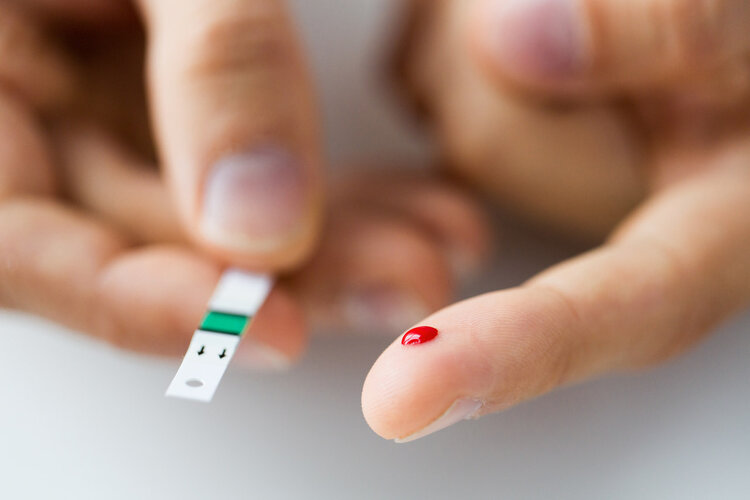
It is reported that if blood sugar is poorly controlled, complications can develop within 5-10 years, with the most severe and difficult-to-manage being diabetic nephropathy and diabetic retinopathy. The former leads to kidney failure, while the latter causes blindness.
Therefore, after being diagnosed with diabetes, patients must promptly adjust their lifestyles, aiming to restore all indicators to normal levels. They should take prescribed medications when necessary and adhere to dietary restrictions—treatment is always better than no treatment. Otherwise, like the younger brother in the story, despite developing diabetes later than his older brother, his condition could become far more severe.
These groups of people should be concerned about developing diabetes!
In addition to active treatment, high-risk individuals should focus on preventive measures. Maintaining a proper diet and exercising regularly can prevent diabetes at its "source." So, who should be particularly cautious?
The "Chinese Guidelines for the Prevention and Treatment of Type 2 Diabetes" clearly define high-risk groups as:
1. Family history of diabetes
2. Age over 40—studies show that for every 10-year increase in age, the risk of diabetes rises by 68%.
3. Overweight and obese individuals.

4. Women who develop gestational diabetes during pregnancy or have a history of delivering macrosomic infants
5. Patients with hypertension and hyperlipidemia
6. Patients with cardiovascular and cerebrovascular diseases
7. Polycystic ovary syndrome patients with BMI ≥30
8. Individuals who have used glucocorticoids (also known as steroids) and experienced transient diabetes
9. Patients with severe mental illness or those on long-term antidepressant medication