High Blood Sugar Can Be Detected by Sticking Out Your Tongue These Four Changes Are Your Body's Alarm Signals
Blood glucose monitoring is a daily task for every person with diabetes, but the hassle and pain of finger pricking each day deter many. Is there a simpler, more intuitive method that allows us to understand our blood sugar status at any time
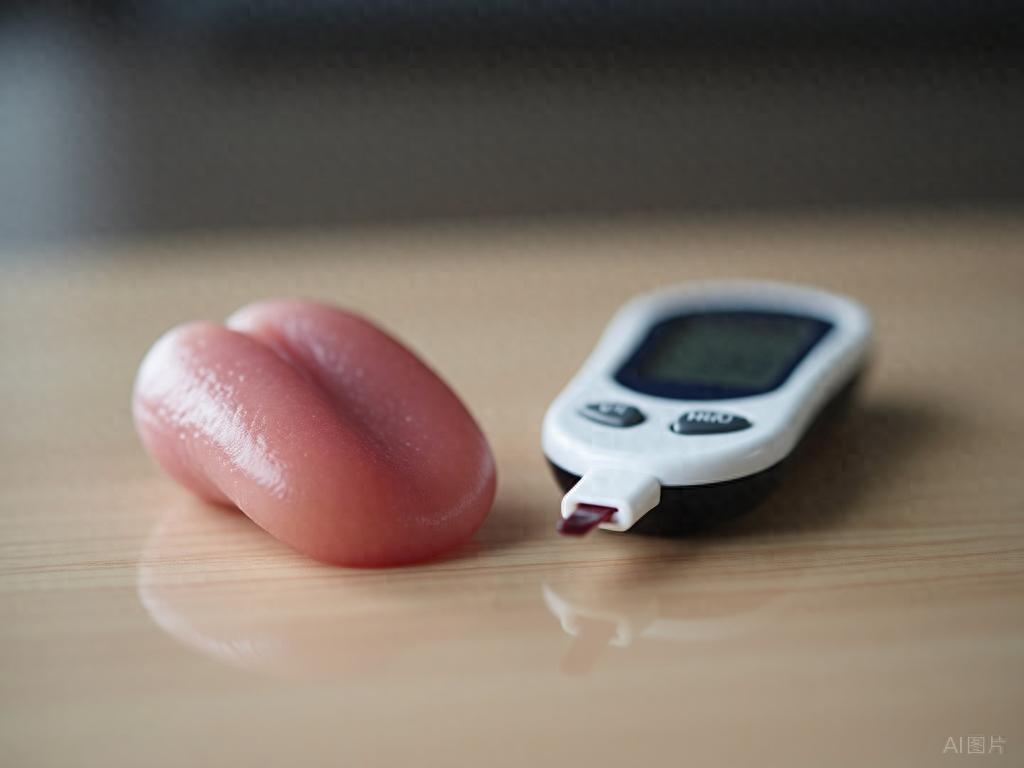
Traditional Chinese Medicine theory holds that the tongue is the sprout of the heart and the external manifestation of the spleen, serving as a barometer reflecting the body's health status. For individuals with diabetes, certain changes in the tongue are often closely related to blood sugar levels. Today, we will teach you a simple and practical method—preliminarily assessing blood sugar status by observing the tongue's appearance.
I. Dry Tongue: A Signal of Elevated Blood Sugar
If you feel your tongue is dry and rough like sandpaper, it may be a warning sign of high blood sugar.
Traditional Chinese Medicine InterpretationWhen blood sugar levels are too high, the consumption of body fluids intensifies, akin to the earth lacking water, causing the tongue to naturally become dry. This condition is particularly prone to occur when hydration is not timely replenished or after consuming excessively salty or sweet foods.
Note the distinctionIf accompanied by symptoms of "excessive internal heat" such as dry mouth, bitter taste, and sore throat, it may indicate an inflammatory response in the body, requiring targeted measures to reduce heat.
Regulation Recommendations:
- Increase water intake in small amounts and multiple times.
- Eat a light diet with less salt and sugar.
- Eat more water-rich vegetables such as cucumbers, tomatoes, and celery.
II. Purple Tongue: Beware of the Risk of Complications
Raise the tongue and carefully observe the base of the tongue. If the surface appears bluish-purple or shows bruising and congested small bumps, this is a signal that requires high vigilance!
Traditional Chinese Medicine InterpretationA purple tongue is often associated with poor circulation of qi and blood. In the progression of diabetes, this may indicate microcirculatory disorders, serving as an early warning sign of complications such as neuropathy and vascular disease.
Action Guide:
- Monitor recent blood glucose records immediately.
- Seek medical attention promptly for examination to assess the risk of complications.
- Avoid prolonged sitting and engage in appropriate gentle exercise to promote blood circulation.
Three, Deep Red Tongue: Intense Internal Heat Accumulation, Unstable Blood Sugar
The tongue appears abnormally dark red, even purplish-red, often accompanied by a sensation of bodily heat.
Traditional Chinese Medicine InterpretationThis is an external manifestation of severe internal heat accumulation, often associated with poor blood sugar control. Individuals in this group tend to have an irritable temperament, poor sleep quality, and are prone to experiencing the classic symptoms of "three excesses and one deficiency."
Effective Prescription for Reducing Internal Heat:
- Appropriately increasing bitter foods in the diet, such as bitter melon, Chinese kale, and endive
- Avoid spicy, fried, and grilled foods.
- Moderate consumption of chrysanthemum tea, honeysuckle tea, and other heat-clearing beverages is recommended.
- Maintain emotional stability and avoid fits of rage.
IV. Thick and Greasy Tongue Coating: Significant Blood Glucose Fluctuations
The tongue surface is covered with a thick, greasy coating, sometimes even obscuring the color of the tongue body.
Traditional Chinese Medicine InterpretationThis is a typical manifestation of excessive "phlegm-dampness" in the body. For such individuals with diabetes, blood sugar levels often fluctuate like a roller coaster—today's fasting blood glucose may be 6.0 mmol/L, but tomorrow it could rise to above 7.0 mmol/L.
Fundamental Regulation:
- Adjust dietary structureAppropriately reduce the intake of refined rice and white flour.
- Spleen and Stomach MaintenanceEat at regular times and in appropriate amounts, avoiding overeating.
- Eliminating Dampness and Strengthening the SpleenModerate consumption of ingredients such as coix seed, red bean, and Chinese yam is recommended.
- Moderate exercisesuch as walking and Tai Chi, which help the body transport and transform dampness.
Scientific Perspective, Rational Application
It is important to note that:
Tongue observation is merely an auxiliary method.Changes in tongue appearance can provide important references, but they must never replace blood glucose meter testing and regular hospital examinations.
Individual differences exist.Each individual has a unique baseline tongue appearance; it is important to focus on personal changes over time rather than making simple comparisons.
Comprehensive assessment yields greater accuracyTongue diagnosis should be comprehensively evaluated in conjunction with personal symptoms such as thirst, polyuria, fatigue, and blood glucose monitoring data.
Seek Medical Attention Promptly PrincipleWhen the tongue appearance shows significant abnormalities, especially indicating the risk of complications, it is essential to seek medical attention promptly.
Daily Tongue Diagnosis Tips
- Observation TimeIt is best to observe under natural light before brushing teeth in the morning.
- Observation MethodFace the mirror, extend your tongue naturally without excessive force.
- Record changesTake photos regularly for documentation to facilitate comparative observation.
- Comprehensive considerationAvoid observing immediately after consuming colored foods or beverages.
Blood sugar management is a long-term battle that requires patience and wisdom. Learning to observe the signals your body sends and combining them with scientific monitoring will help you better control your health. Share this simple and practical method with friends in need, as it may help more people detect abnormal blood sugar early and prevent potential issues!