The most effective exercise method for lowering blood sugar especially suitable for middle aged and elderly diabetic patients and more effective in winter
Winter has arrived, with cold weather and slippery roads. Do you just want to stay at home? For middle-aged and elderly individuals with diabetes,The tendency to "not want to move" in winter may be the biggest health crisisRegular exercise is a "good medicine" for blood sugar control, effectively improving insulin sensitivity, aiding in weight management, and enhancing cardiovascular function. Persisting with exercise in winter can better help resist the cold and prevent complications.
However, winter sports require the right timing, favorable conditions, and human harmony. Today, we present a guide specifically tailored for middle-aged and elderly individuals with diabetes.Winter Sports Safety Guide。
Part One: Choose These Exercises for Safety and Gentleness
Winter's First ChoiceGentle, low-impact, sustainableEngage in exercise and try to avoid outdoor strenuous activities in extremely cold, windy, or snowy weather.
1️⃣ Indoor Brisk Walking or Stationary Jogging ♂️
This is the simplest and safest option!
- MethodWalk briskly back and forth in the living room or hallway, or perform high knee marching in place.
- DetailsPlay music, each session lasting 20-30 minutes, until the body breaks a light sweat.
- AdvantagesNot affected by weather, joint-friendly.
2️⃣ Tai Chi or Baduanjin ♀️
A "national treasure" level health-preserving exercise, highly suitable for middle-aged and elderly individuals.
- MethodYou can follow the video tutorial to learn, with gentle movements that emphasize the combination of breathing and mindfulness.
- DetailsPractice 3-5 times per week, completing one full set each session, aiming for a feeling of physical and mental comfort.
- AdvantagesImprove balance and flexibility, relieve stress, and help stabilize blood sugar levels.
3️⃣ Seated or Supine Exercise
Suitable for individuals with diabetes who have limited mobility or are physically weak.
- MethodSit on a stable chair and perform movements such as leg lifts, arm extensions, and torso rotations; or lie on your back in bed and perform actions like cycling and bridge poses.
- DetailsPerform each exercise for 2-3 sets of 10-15 repetitions, with slow and steady movements.
- AdvantagesExercise muscle strength, promote blood circulation, almost no risk.
4️⃣ Elastic Band Resistance Training
It can effectively increase muscle mass, and muscle is a powerful tool for controlling blood sugar.
- MethodPerform seated rows, curls, and front presses using resistance bands.
- DetailsChoose a resistance band with appropriate resistance, perform 8-12 repetitions per set for each exercise, and complete 2-3 sets.
- AdvantagesIt can be performed at home, effectively boosting metabolism.
Part Two: Keep These Details in Mind to Double Exercise Effectiveness and Ensure Safety
Details determine success or failure, and even more so, safety!
Before exercise: Adequate preparation
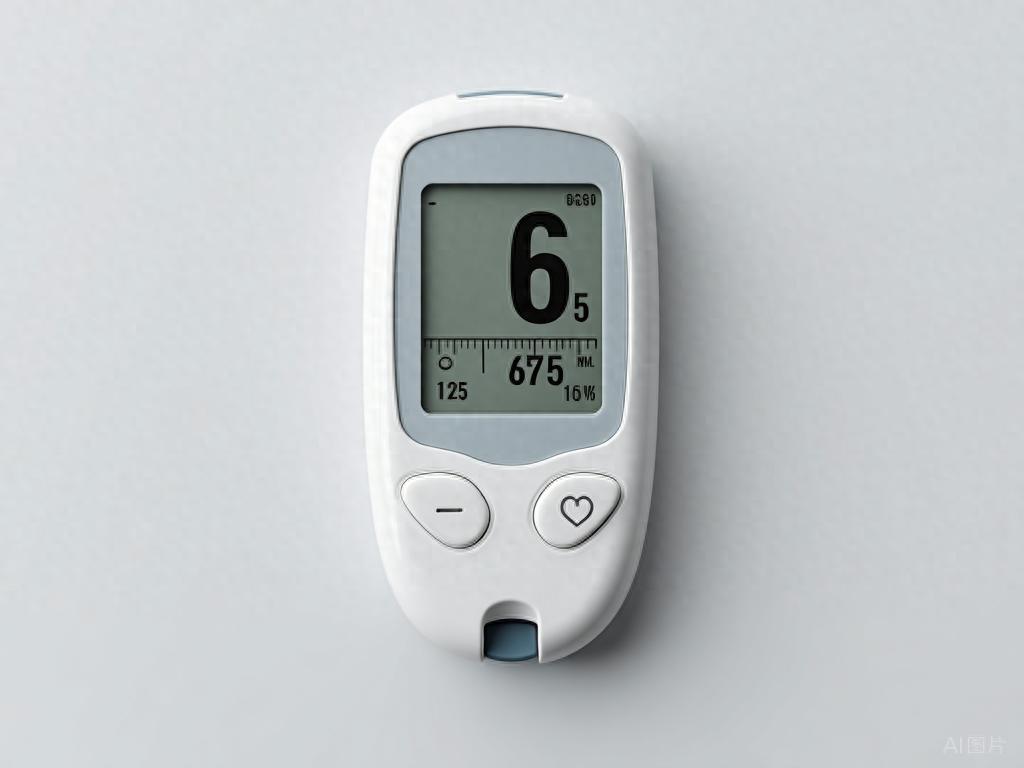
- Monitor blood glucoseAlways measure blood sugar before exercisingBlood glucose > 16.7 mmol/L or < 5.6 mmol/LIt is not advisable to exercise at this time.
- Adequate warm-upAt least 5-10 minutes, such as joint circles, slow walking, and stretching, to warm up the body and prevent injuries.
- Dress appropriatelyAdopt the "onion-style" layering method: inner layer for moisture-wicking, middle layer for insulation, outer layer for wind resistance. Wear slip-resistant shoes.
- Carry Your "Protective Talisman"Carry a diabetes emergency card, candy or glucose tablets, and a mobile phone with you at all times.
During exercise: Exercise within your limits
- Step by stepStart with short durations and low intensity, then gradually increase.
- Master the intensityDuring exercise, a slight increase in heart rate and mild breathlessness while still being able to converse is appropriate (target heart rate ≈ 170 - age).
- Stay hydrated promptlySweating can also occur in winter, and it is advisable to replenish with warm water in small sips and multiple times.
- Pay attention to physical signalsIf symptoms such as palpitations, dizziness, cold sweats, blurred vision, or joint pain occur,Stop exercising immediately。
After Exercise: Proper Cool Down
- Perform cool-down activitiesSlow walking and stretching for 5-10 minutes to help the heart rate recover smoothly.
- Measure blood sugar againUnderstanding the impact of exercise on blood sugar facilitates subsequent adjustments to diet or medication.
- Change clothes promptly.Dry the body promptly after sweating and change into dry clothes to avoid catching a cold.
- Supplemental NutritionYou may appropriately supplement with a healthy snack, such as a glass of milk or a small portion of fruit, to prevent hypoglycemia.
Important Safety Warning (Pause Exercise Under These Conditions!)
- Blood glucose levels are excessively high (fasting >16.7 mmol/L) or exhibit excessive fluctuations.
- Ketosis occurs when urine ketone bodies test positive.
- In the presence of concurrent acute infection (such as cold or fever).
- Poorly controlled blood pressure (>160/100 mmHg).
- When experiencing chest pain, palpitations, or difficulty breathing.
- Fresh hemorrhage or severe lesions are present in the retina.
Golden Rules for Winter Exercise: Keep Warm and Prevent Cold > Progress Gradually > Listen to Your Body > Safety First
This winter, stop hibernating! Choose appropriate exercises, pay attention to every safety detail, and let regular physical activity become your warmest companion on your journey to blood sugar control. Start moving today!