If blood sugar does not reach this level, do not rush to take medication. Remember this key number to successfully reverse diabetes.
Many friends panic when they find their blood sugar levels are high during a physical examination. Don't worry! You may be standing at a crucial "crossroads"PrediabetesThis is the body's final "alarm" and also the last chance to reverse high blood sugar.Golden Intervention Period!
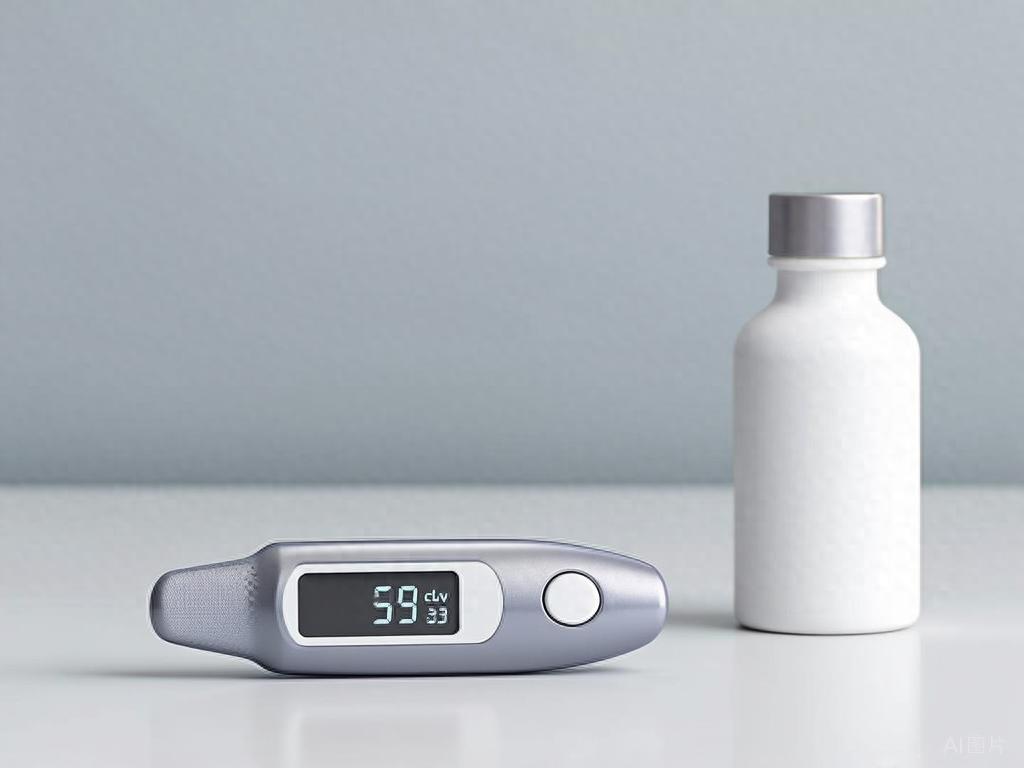
At which stage is your blood sugar level?
First, determine which range your blood glucose level falls into:
- Normal value✅:
- Fasting blood glucose: 3.9 ~ 6.1 mmol/L
- 2-hour postprandial blood glucose: < 7.8 mmol/L
- Prediabetes⚠️ (Golden Intervention Period!):
- Fasting blood glucose: 6.1 ~ 7.0 mmol/L
- 2-hour postprandial blood glucose: 7.8 ~ 11.1 mmol/L
- Diabetes:
- Fasting blood glucose ≥ 7.0 mmol/L
- Random or postprandial blood glucose ≥ 11.1 mmol/L
Two Important Reminders:
Fasting Blood GlucoseSpecificallyBefore breakfastNot before lunch or dinner!
2 hours postprandialis fromTake the first bite of foodStart timing, not after finishing the meal!
If you are inPrediabetesCongratulations, you have seized the optimal intervention window! At this stage, pancreatic function is mostly still viable. Through proactive intervention, there is a high likelihood of restoring blood glucose to normal levels and preventing progression to lifelong diabetes.
Golden Period, What to Do? The Core is Lifestyle Intervention!
Pre-diagnosis period,Do not rush to take medicationDomestic and international guidelines consistently recommend that the primary approach is to initiate a period of6 months"Intensive Lifestyle Intervention":
- Eat Right at Every Meal
- Smart Pairing of Staple FoodsReduce refined rice and white flour, increase whole grains, legumes, and tubers.
- Vegetables should be consumed in sufficient quantity.Ensure that each meal includes vegetables, especially leafy greens.
- Protein PreferenceChoose fish, poultry, eggs, lean meat, and soy products.
- Order mattersAdopting the sequence of "first drinking soup/eating vegetables → then consuming meat → finally eating staple foods" can help stabilize postprandial blood glucose levels.
- Getting moving is key♂️
- Adhere to aerobic exerciseSuch as brisk walking, jogging, swimming, and cycling, at least 150 minutes per week.
- Incorporate strength training2-3 times per week, such as lifting dumbbells and doing squats, to increase muscle mass, which can improve blood sugar levels in the long term.
- Reduce Sedentary BehaviorFor every 30-60 minutes of sitting, stand up and move for 5 minutes.
- Manage Your Weight⚖️
- Individuals who are overweight or obese, if they can lose weight5%-7%It shows significant effects in reversing early-stage conditions!
- Do not forget regular monitoring
- Regularly monitor fasting and postprandial blood glucose levels to understand your changes and build confidence.
When should medication be considered
If after6 monthsIf blood glucose levels remain suboptimal after strict lifestyle interventions, or if you belong to the following high-risk groups, you should consult a doctor to assess whether medication intervention (such as metformin) is necessary.
- Expectant mother
- Individuals with a higher Body Mass Index (BMI)
- Older age
- or at risk of complications such as cardiovascular disease
The most important sentenceWhether medication is used or not, lifestyle intervention remains the cornerstone and is essential.Follow the doctor's instructions.!
To summarize
Discovery of Blood Sugar Entering6.1-7.0This early stage is not a time for anxiety, nor for neglect. It is a precious window of opportunity your body offers you:
Active Action ≈ Highly Likely to Reverse ✅
Left untreated ≈ Risk significantly increases ❌
Starting today, by focusing on diet, maintaining exercise, and managing weight, you can fully take control of your health! Quickly share this "reversal guide" with those you care about~