Diabetics Suddenly Becoming "Stupid"? It Might Be Due to Excessively Strict Blood Sugar Control!
Why is my memory so poor lately? I always react slowly and can't recall words on the tip of my tongue... As they age, many elderly individuals with diabetes tend to attribute their cognitive decline simply to getting older. However, Ye Aiguo, Chief Physician and Deputy Director of the Outpatient Department at Lanzhou Ruijing Diabetes Hospital, reminds diabetes patients:In addition to natural aging, individuals with diabetes need to be particularly vigilant about a hidden "brain killer"—hypoglycemia, especially nocturnal hypoglycemia! Therefore, it is crucial for people with diabetes to remember that blood glucose levels should not fall below the warning threshold of ≤3.9 mmol/L!
01
Real Case: Nighttime Coma with Early Warning Signs
Recently, Director Ye Aiguo's department consecutively admitted two patients within a short period due toHypoglycemic comaElderly diabetic patients rushed to the hospital in an emergency.
The two elderly individuals share similar conditions: both areAfter falling asleep late at night, the patient was found by family members to be unresponsive and covered in cold sweat all over the body.Upon arrival at the hospital, the blood glucose level had dropped to a dangerously low level. The situation was stabilized only after emergency treatment.
After a detailed consultation, Director Ye discovered a crucial detail that had been overlooked:In the days or even longer before the coma occurred, the two elderly individuals had already shown clear signs of "cognitive decline"—slowed reactions, reluctance to speak, and sudden memory deterioration.The family simply thought it was "senile confusion," never realizing it was actually an alarm signaling severe hypoglycemia!
This is by no means an isolated case. Director Ye Aiguo stated gravely, "Clinically, due toRecurrent, occult nocturnal hypoglycemiaQuietly damaging the brain's nervous system, ultimately leading to cognitive decline and even triggering cardiovascular and cerebrovascular events, is not uncommon.
02
⚠️ Expert Analysis: Why Does Hypoglycemia Make You "Stupid"?
Director Ye Aiguo explained:The brain is the most energy-consuming organ in the human body, relying almost entirely on glucose in the blood for energy supply.For people with diabetes, especially elderly individuals, once hypoglycemia occurs (typically defined as blood glucose ≤3.9 mmol/L), the brain can experience an energy crisis, much like a 'power outage.'
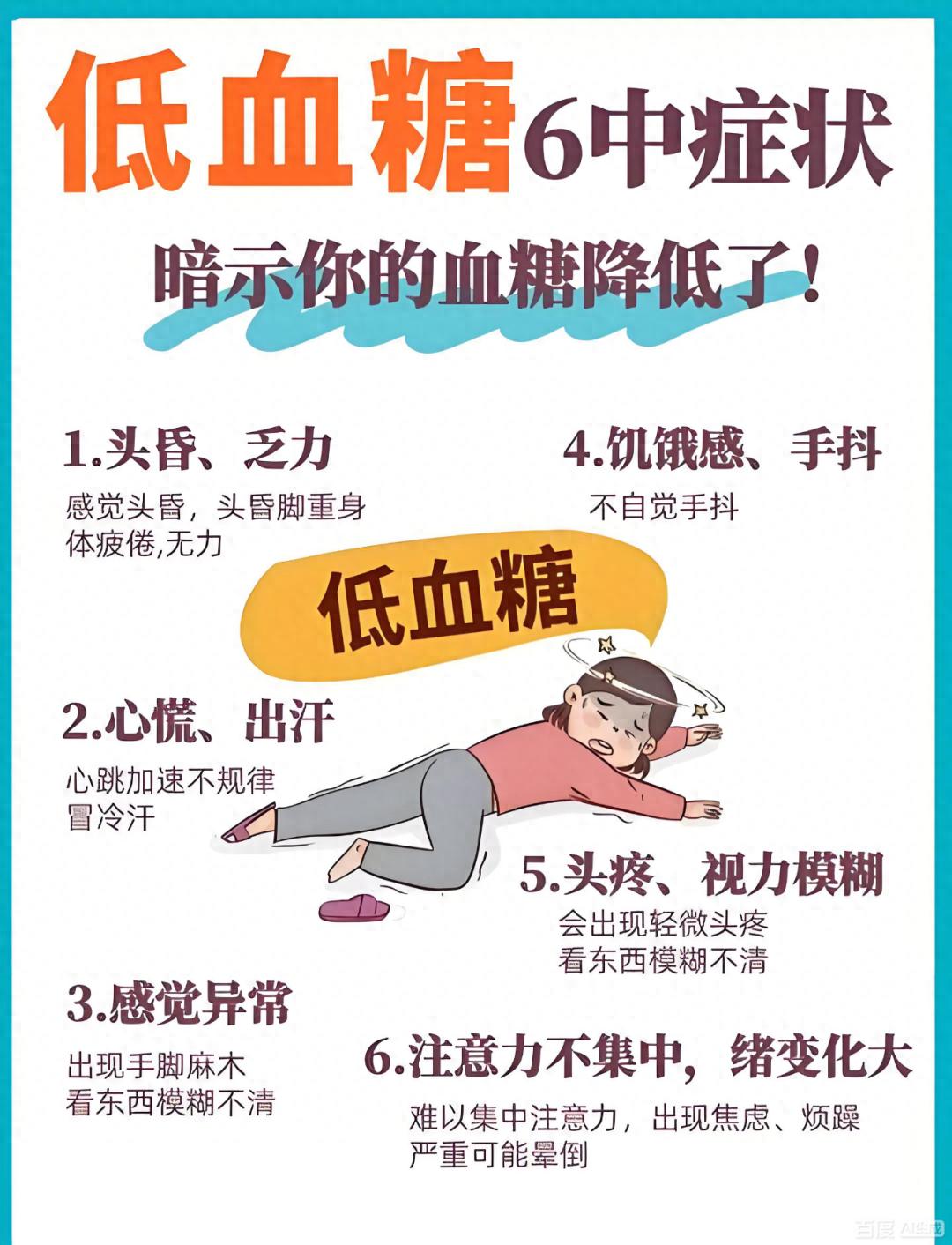
- Short-term effectsSymptoms such as dizziness, palpitations, slowed reactions, difficulty concentrating, slurred speech, and blurred vision may occur, which are preciselyTransient impairment of brain functionmanifestation
- RecurrentIf hypoglycemia (especially nocturnal hypoglycemia unawareness) occurs repeatedly, it can cause damage to brain neurons.Cumulative, irreversible damageaccelerating the decline of memory and cognitive abilities, significantly increasing the risk of developing dementia in the future.
- Nighttime is more dangerousNighttime is a high-risk period for hypoglycemia, as people's perception decreases during sleep, making it difficult to self-detect. Hypoglycemia can persist for several hours without being noticed.Prolonged profound hypoglycemia is the primary cause of coma, brain damage, and even sudden death.
03
Uncovering the "Silent Killer": Clues to Nocturnal Hypoglycemia
Director Ye Aiguo reminds that family members and individuals with diabetes should pay special attention to the following signals that may indicate nocturnal hypoglycemia:
- Before bedtime or at nightUnexplained palpitations, sweating, and hunger.
- During sleepNightmares, waking up startled, clothes or bed sheets soaked in cold sweat.
- Waking up in the morningHeadache, fatigue, feeling unrefreshed upon waking, orFasting blood glucose is abnormally high in the morning.This may be rebound hyperglycemia caused by the body's stress response after nocturnal hypoglycemia, also known as the Somogyi phenomenon.
04
Expert Tips: How to Protect the Brain and Avoid Hypoglycemia
Director Ye provided the following specific recommendations: strengthen monitoring and focus on key points:
- Suspected nocturnal hypoglycemiaBlood glucose must be measured between 2:00 AM and 3:00 AM.
- Pay attention to bedtime blood glucoseIf the pre-bedtime blood glucose level is below 5.6 mmol/L, it is advisable to have an appropriate snack.
Adjust the strategy and communicate with the doctor:
- If frequent hypoglycemia or asymptomatic hypoglycemia occurs,Do not self-medicate.Follow-up visits should be scheduled promptly to allow the physician to evaluate and adjust the hypoglycemic regimen, such as insulin or sulfonylurea dosage.
- Understand the peak action time of the medication being used and enhance blood glucose monitoring during that period.
A bedtime snack is a wise precaution:
- For those with low blood sugar before bedtime or middle-aged and elderly individuals with diabetes, a serving ofStable Carbohydrates + ProteinSnacks, such as half a cup of milk, two or three sugar-free biscuits, or a small portion of yogurt.
Educate family members to protect together:
- Ensure family members are aware of the symptoms of hypoglycemia and emergency management methods (such as feeding sugar water, honey, etc.).
- If a patient is found unconscious, do not feed them. Immediately call emergency services and inform the doctor that the patient has a history of diabetes.
Experts emphasize
Director Ye from Lanzhou Ruijing Diabetes Hospital finally emphasized: For elderly diabetic patients, blood sugar control goals should be individualized to avoid being overly strict.Preventing hypoglycemia is more important than controlling hyperglycemiaDo not let the 'sweet burden' steal your health and clear mind. If unexplained 'sluggishness' or abnormal behavior occurs, be sure to consider the possibility of hypoglycemia and seek medical examination promptly.
Protecting brain health starts with vigilance against every episode of hypoglycemia.