How are the blood sugar levels of diabetic patients who do not take medication or injections?
Doctor, can I not take the medication? I promise to watch my diet and exercise more! This is probably the most common statement heard by endocrinologists.
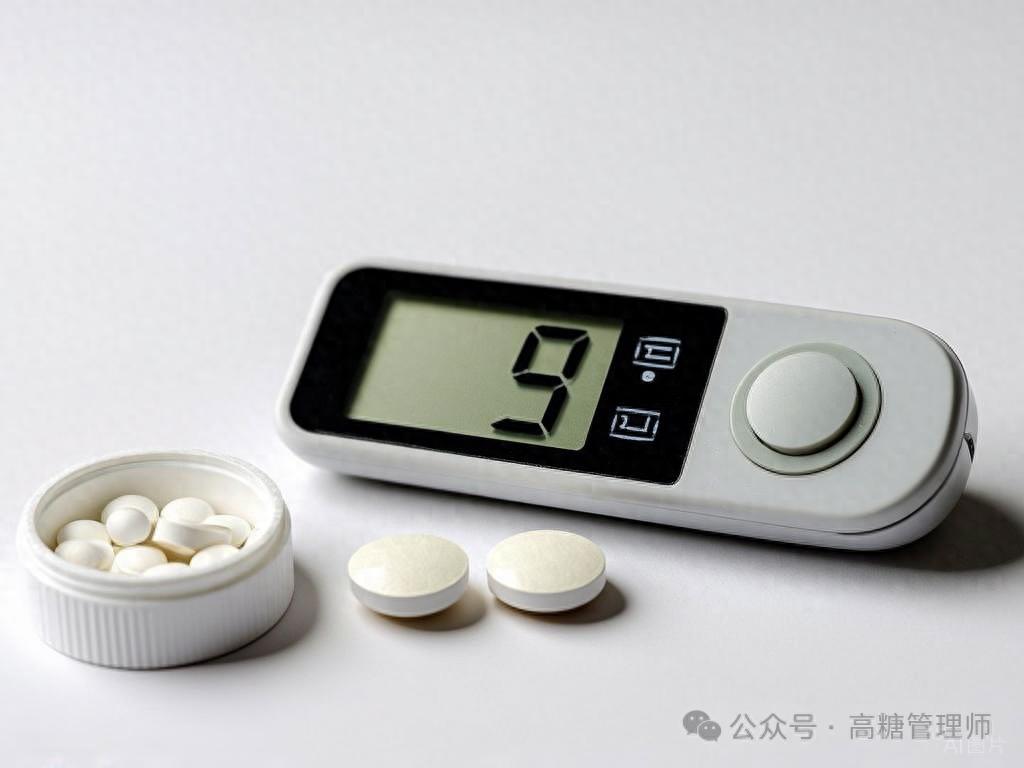
Many people with diabetes instinctively resist medication and insulin, hoping to control their blood sugar through diet and exercise alone. Some succeed, but more find that despite their best efforts, their blood sugar levels fluctuate like a roller coaster. Why is this? Today, let's discuss this topic.
Indeed, some people can: Who might temporarily succeed in "going bare"?
First, it is essential to acknowledge a fact:Indeed, a portion of individuals with type 2 diabetes can manage their blood glucose levels without medication through lifestyle interventions during specific periods.
These individuals typically exhibit the following characteristics:
- Early stage or prediabetesPancreatic islet function is relatively good, and blood glucose elevation is not significant.
- "Honeymoon period" patientSome newly diagnosed patients experience partial restoration of pancreatic islet function after short-term intensive therapy.
- Extremely Disciplined "Life Transformation Specialist"Able to adhere to a scientific diet, regular exercise, weight control, and effective monitoring over the long term.
- Secondary diabetes after cure⚕️: As in certain hormone-related diabetes after the primary disease is cured.
However, this is akin to an examination of "talent plus effort," requiring the perfect integration of physical condition and personal perseverance, and such a situationIt is often difficult to maintain over the long term.。
Why Do Most People Fail at "Going Bare"? Three Core Reasons
1. Beta cell function decline is an ongoing process
Diabetes is not simply a matter of "high blood sugar"; its core issue lies inProgressive decline in pancreatic beta-cell function.Just like a machine that has been overloaded for a long time, even if you reduce the workload (control diet), the aging and wear of the machine continue. Lifestyle intervention alone cannot reverse this physiological process.
2. The "Stubbornness" of Insulin Resistance
Insulin resistance caused by factors such as obesity and lack of exercise is a significant etiology of type 2 diabetes. While exercise and weight control can improve resistance, for patients with severe resistance or obvious genetic factors, the degree of improvement is limited, making it difficult to achieve the "qualitative change" required for glycemic control.
3. The criteria for "effective" lifestyle interventions are extremely high
What you perceive as "controlling your diet and increasing physical activity" may fall far short of therapeutic standards.
- ExerciseEngage in at least 150 minutes of moderate-intensity exercise per week, including resistance training.
- DietIt is necessary to precisely control the quality and quantity of carbohydrates and adhere to this practice long-term.
- Body weightTypically a reduction of initial body weight is required7%-10%Significant metabolic benefits can only be achieved through the above measures.
This requires robust knowledge, willpower, and supportive living conditions, which are difficult for most people to attain.
Is Medicine an "Enemy" or an "Ally"? Rethinking Hypoglycemic Drugs
Many people's fear of medication stems from misunderstandings. The goal of modern hypoglycemic drugs is not only to lower blood sugar but also toProtect your residual islet function and delay the onset of complications。
- MetforminImproving insulin resistance is a first-line cornerstone medication.
- Sodium-glucose cotransporter 2 inhibitors (SGLT2i)Simultaneously lowering blood sugar while protecting the heart and kidneys, with cardiovascular benefits.
- Peptide drugs (GLP-1RA)Intelligent promotion of insulin secretion can also reduce appetite and decrease body weight.
Medication is not a sign of treatment failure but a scientific weapon to help you win the long-term battle.Refusing medication is equivalent to voluntarily disarming oneself on the battlefield.
The "Stepwise Management Approach" for Scientific Blood Sugar Control: How to Implement It
True scientific blood sugar control is a dynamic and personalized management process
First Step: Lifestyle Intervention (Cornerstone for All Patients)
- Eat RightLearn carbohydrate counting, choose low glycemic index foods, and maintain balanced nutrition.
- Move Well♂️: Combine aerobic exercise with strength training and avoid prolonged sitting.
- MonitoringRegularly monitor blood glucose, body weight, and waist circumference, using data to guide lifestyle.
Second Step: Lifestyle + Oral Medication
When lifestyle intervention alone has been implemented for 3-6 months,Glycated hemoglobin (HbA1c) remains suboptimal(Usually >7%), medication should be initiated without hesitation. This is a critical window period to halt disease progression.
Third Step: Lifestyle + Oral Medication + Insulin
When pancreatic islet function declines to a certain extent and oral medications become ineffective,Timely initiation of insulin is a crucial measure to supplement insufficient endogenous secretion and protect remaining beta cells.It is by no means a "treatment failure".
Heartfelt Words for People with Diabetes
- Put down the "stigma of medication"Diabetes is a chronic condition, and taking medication is as normal and necessary as wearing glasses for nearsightedness.
- Trust in Professionalism, Schedule Regular Follow-upsForm a "comrades-in-arms" partnership with your doctor to jointly develop and adjust the treatment plan based on pancreatic islet function and blood glucose monitoring results.
- Beware of "Folk Remedies" and Extreme MethodsNever believe rumors of "complete cure" or adopt extremely low-calorie diets that harm the body.
- The goal is not "not taking medication" but "high-quality longevity"The ultimate goal is to achieve long-term stable blood sugar control, stay away from complications affecting the heart, eyes, kidneys, feet, and enjoy a healthy life.
Managing blood sugar is a marathon, not a sprint.The most scientific strategy is to utilize all proven effective methods—including a healthy lifestyle, modern medications, and regular monitoring—to secure your victory in this prolonged battle.Reconciling with illness and accompanying science is the wisest and most responsible approach to oneself.
Friendly ReminderThis article aims to provide general knowledge and cannot replace individualized medical advice. Any adjustments to treatment plans must be made under the guidance of a professional doctor. Wishing you a smooth and steady journey in managing your blood sugar