Fasting blood glucose exceeds 7, postprandial blood glucose surpasses 10? Discover effective non-medication strategies for blood sugar control here!
If your fasting blood glucose consistently exceeds 7 mmol/L and your 2-hour postprandial blood glucose consistently exceeds 10 mmol/L, you may feel worried and confused. Many people's first reaction after being diagnosed with abnormal blood glucose is "I don't want to take medication," and this feeling is completely understandable!
Don't worry, today let's talk aboutScientific Methods for Effective Blood Sugar Control Without MedicationHowever, please remember that this article is for reference only, and specific treatment plans must be consulted with a professional doctor.
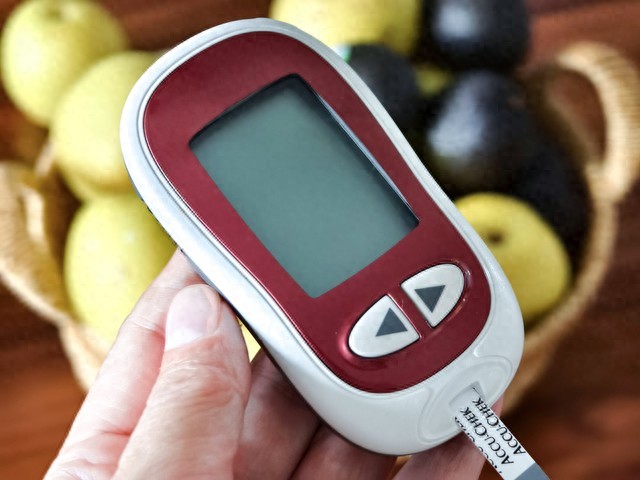
First understand your blood glucose level
- Normal rangeFasting blood glucose <6.1mmol/L, 2-hour postprandial blood glucose <7.8mmol/L
- Abnormal Blood GlucoseFasting blood glucose 6.1-6.9 mmol/L, or 2-hour postprandial blood glucose 7.8-11.0 mmol/L
- Diabetes StandardFasting blood glucose ≥7.0 mmol/L, or 2-hour postprandial blood glucose ≥11.1 mmol/L
If your blood glucose levels consistently remain in the abnormal range, it is indeed time to take action!
Dietary Adjustment: The First Line of Defense in Blood Sugar Control
1. Choose low glycemic index (GI) foods
- Replace white bread with whole wheat bread
- Replace white rice with brown rice and quinoa
- Eat more leafy green vegetables and legumes.
- Choose low GI fruits such as apples, pears, and strawberries.
2. Control the proportion of the plate
- Half is vegetables
- One quarter is high-quality protein (fish, chicken breast, tofu)
- One quarter is whole grains
3. Change the order of eating
First, drink soup → then eat vegetables → then eat protein → finally eat staple food
This little trick can significantly reduce postprandial blood glucose peaks
4. Eat regularly and in moderation, with smaller and more frequent meals.
Avoid binge eating after prolonged fasting, maintain regular meals three times a day, and add 2-3 healthy snacks if necessary.
Exercise Intervention: A Free "Hypoglycemic Agent"
Aerobic exercise
- At least 150 minutes of moderate-intensity exercise per week
- Brisk walking, swimming, and cycling are all good choices
- TipsStart walking for 20 minutes 30 minutes after a meal to significantly reduce postprandial blood sugar
2. Strength Training
- Resistance training 2-3 times per week
- Increasing muscle mass can improve insulin sensitivity
- Start with simple squats and push-ups.
Lifestyle Adjustment: Details That Cannot Be Overlooked
1. Ensure adequate sleep
Insufficient sleep can disrupt hormonal balance and lead to elevated blood sugar levels. Aim for 7-8 hours of high-quality sleep each night

2. Stress Management
Long-term stress can raise blood sugar levels. Try meditation, deep breathing, or cultivating a relaxing hobby.
3. Quit smoking and limit alcohol consumption
Tobacco and excessive alcohol both interfere with blood sugar control
Self-monitoring: Understand your own blood glucose patterns
Even if you do not want to take medication, it is recommended to regularly monitor your blood sugar levels.
- Record fasting and postprandial blood glucose values
- Identify the Culprit Foods That Raise Blood Sugar Levels
- Observing the Impact of Exercise on Blood Glucose Levels
Knowledge is power, and understanding your blood glucose response patterns is the first step towards effective management!
⚠️ Important Reminder
While lifestyle interventions are highly effective for many individuals with early-stage blood glucose abnormalities, please note:
- Individual differencesIndividual physical responses vary, and the effects may differ accordingly.
- Regular follow-up examinationsEven if you feel well, it is important to regularly check your blood glucose and glycated hemoglobin levels.
- Professional GuidanceBefore starting any new diet or exercise plan, it is best to consult a doctor or nutritionist
- Medication is not the enemyIf blood glucose levels remain uncontrolled after lifestyle interventions, pharmacological intervention is necessary to avoid delaying treatment.
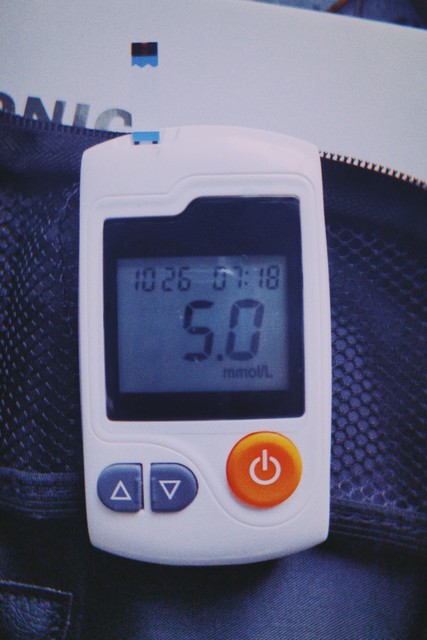
Persist long-term and enjoy a healthy life.
Blood sugar control is not a short-term "diet" or "exercise plan," but rather aHealthy Lifestyle TransformationDo not pursue perfection, but seek sustainable methods.
Remember, every small step adds points to your health! Starting today, choose a healthy breakfast or take a 15-minute walk after dinner—these are wonderful beginnings.
Health is not a destination, but a journey worth enjoying.May you find your own rhythm and balance on this journey