During the Spring Festival Travel Rush: Diabetic Patients, Prepare These Steps for More Stable Blood Sugar Levels!
The station is bustling with crowds, yet blood sugar levels must remain steady.As the Spring Festival approaches, the trains for homecoming are about to depart. For friends with diabetes, this annual "great migration" is not only a test of the journey but also a practical challenge in blood sugar management.
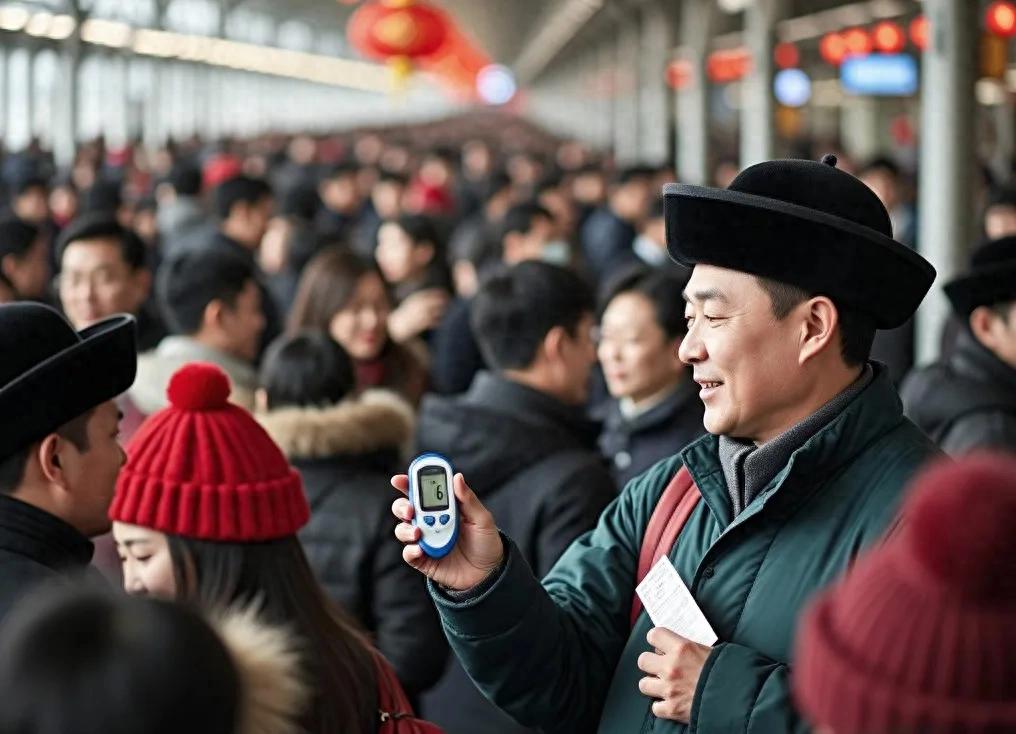
Deputy Chief Physician Huang Xinwen from Lanzhou Ruijing Diabetes Hospital specially reminds:
During the Spring Festival travel season, significant environmental changes, disrupted routines, and irregular eating patterns are all risk factors for blood sugar fluctuations. However, with thorough preparation in advance, individuals with diabetes can safely and smoothly navigate their journeys.
01
One week before departure: Prepare these to make your journey more relaxed
Director Huang Xinwen, a diabetes specialist, pointed out thatA successful journey in blood sugar control begins with systematic preparation one week before departure.
1. Medication Preparation: It is better to bring more than to bring less
- Sufficient MedicationCarry 3-5 days' worth of medication beyond the duration of your trip, including insulin, oral medications, blood glucose test strips, and other supplies.
- Store separatelyMedications and monitoring devices should be stored in two separate packages (such as a carry-on bag and a suitcase) to prevent loss or damage.
- Insulin StorageUnopened insulin should be refrigerated, while opened insulin can be carried at room temperature (avoid temperatures below 2°C or above 30°C). Use an insulin cooling bag or insulated cup (with ice packs inside, avoiding direct contact).
2. Medical Documents: The "Passport" at Critical Moments
- Medical Record SummaryCarry a brief medical history with you, including diagnosis, medication list, allergy history, and contact information for your primary physician.
- Identity IdentifierWear a diabetes identification wristband or carry a diabetes identification card.
- Copy of PrescriptionEspecially insulin prescriptions, for use during safety inspections or urgent medication purchases.
3. Physical Assessment: Pre-Travel "Safety Self-Check"
- Monitor blood glucoseMonitor blood glucose continuously for 3 days before departure to understand your stable condition.
- Complication ExaminationIf diabetic foot is present, ensure there are no ulcers or infections; if retinopathy is present, avoid lifting heavy objects and prolonged bending.
02
On the Road: Practical Tips for Blood Sugar Control to Keep Glucose Levels in Check
Director Huang Xinwen emphasized:The key during travel lies in the word 'regularity'—regular monitoring, regular snacking, and regular activity.”
1. Blood Glucose Monitoring: Increase Frequency to Grasp Dynamic Changes
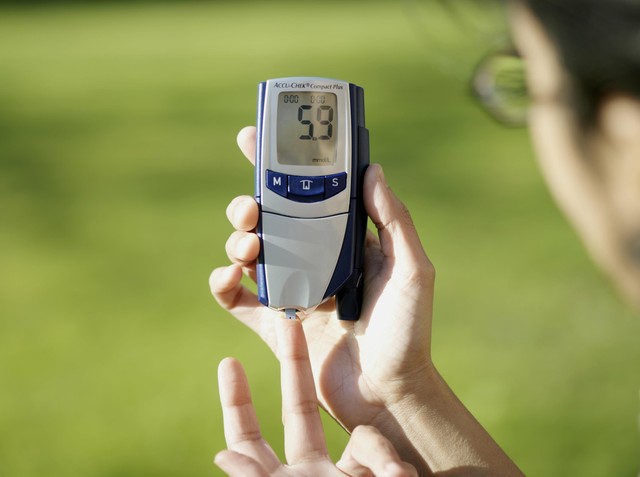
- Encrypted MonitoringCheck blood sugar every 4-6 hours during long-distance travel, especially before and after meals and before bedtime.
- Record changesSimply recording blood glucose levels, diet, and activity can help analyze the causes of fluctuations.
2. Smart Diet: Choose and Eat with Care, Regular and Moderate Meals
- Bring your own healthy snacksSuch as whole wheat crackers, nuts, unsweetened yogurt, apples, etc., for use when meals are delayed or cannot be consumed normally.
- Principles for Meal Selection:
- Staple FoodPrefer whole grains and mixed grain rice, control portion size (about one fist size)
- DishesChoose steamed and stewed dishes more often, and avoid fried, thickened, or sweet and sour dishes.
- BeveragesRefuse sugary drinks and choose plain water, tea, or sugar-free soda.
- Eat meals on time.Try to maintain meal times similar to usual and avoid prolonged fasting.
3. In-Transit Activities: Small Movements, Significant Impact
- Move around every 1-2 hoursWhen traveling by train or bus, you can stand up and walk in the aisle for 5-10 minutes; when driving, you can stop every 2 hours to stretch.
- Seated ExerciseWhen unable to get up, perform ankle pump exercises (pointing and flexing the toes) and leg lifts to promote blood circulation.
4. Hydration: Drink adequate water to prevent dehydration
- Drink water at regular intervalsDrink small amounts of water hourly, aiming to keep urine a pale yellow color.
- Limit caffeineAvoid excessive consumption of coffee and strong tea to prevent diuresis-induced dehydration.
03
Emergency Response: Be Prepared, Stay Calm
Director Huang Xinwen specifically advised:Hypoglycemia is the most common emergency during travel, and thorough preparation is essential.”
Hypoglycemia Management (Blood Glucose ≤3.9 mmol/L)
- Handle immediatelyConsume 15 grams of fast-acting sugar (such as 3-4 glucose tablets, half a glass of fruit juice, 1 tablespoon of honey).
- Re-measure after 15 minutesIf blood glucose remains low, repeat the steps above.
- Subsequent SnackAfter blood sugar rises, replenish with a serving of staple food or snack (such as a slice of bread, a few crackers).
- Carry with youGlucose tablets and candies must be placed in easily accessible pockets or the outer compartments of bags
Management of Hyperglycemia (Persistent Blood Glucose >13.9 mmol/L)
- Drink water multiple timesDrink 250-500ml of water per hour to promote sugar excretion.
- Moderate activityIf physical condition permits, engage in gentle activities such as walking.
- Test for ketone bodiesIf accompanied by nausea or abdominal pain, test for urinary ketones (if test strips are available).
- Seek medical attention promptly.If it persists or does not decrease, or if symptoms such as difficulty breathing or confusion occur, seek medical help immediately.
Special Reminder from Director Huang Xinwen
During the Spring Festival travel season, many diabetic patients reduce their medication or monitoring due to fear of inconvenience, which is a very dangerous practice.The more the environment changes, the more important it is to adhere to standardized treatment.”
Additionally, many people relax their dietary control during travel due to the festive spirit of the Chinese New Year, thinking that 'once in a while is fine.' However, blood sugar fluctuations often start with this 'once in a while.'While enjoying the reunion, do not forget the needs of your body.”