Diabetics Eating Quinoa vs Brown Rice: Which Has Better Blood Sugar Control? Nutritional Comparison Gives You the Answer
For people with diabetes, one of the most perplexing daily questions is: "What staple food should I eat today?" White rice raises blood sugar quickly and is often avoided, while quinoa and brown rice are said to be healthier, but which one is more suitable for blood sugar control?
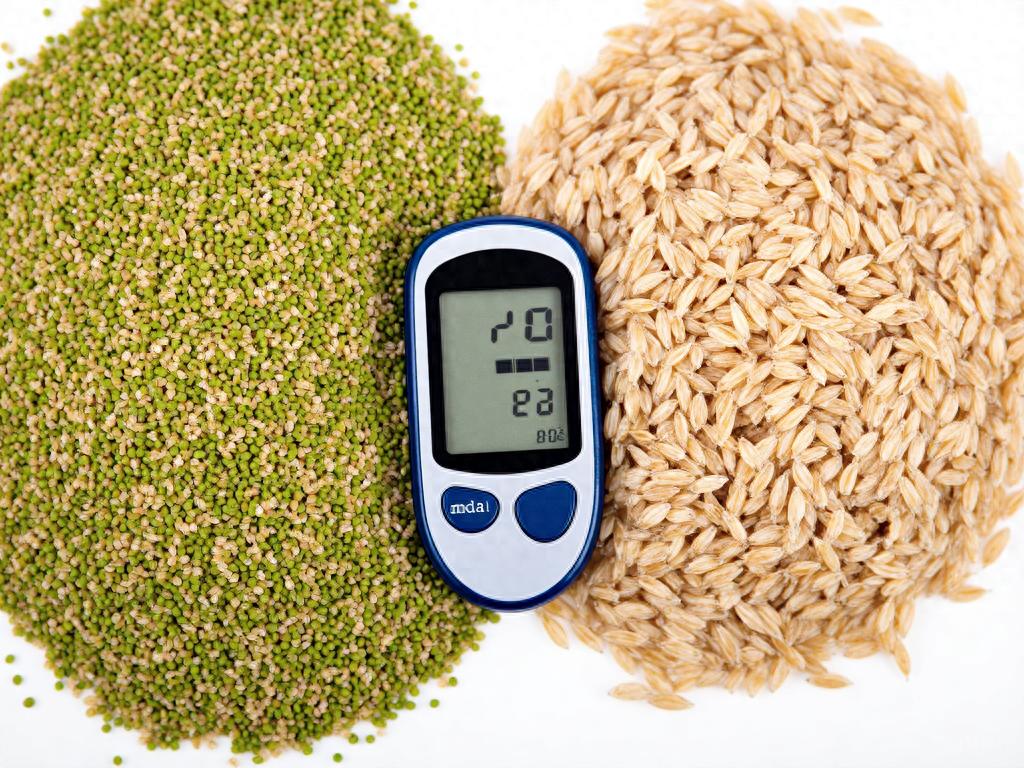
A report from the International Diabetes Federation indicates that approximately 141 million adults in China have diabetes, the vast majority of which are type 2 diabetes, closely linked to dietary patterns.
01 Nutritional Comparison
Glycemic index is a key indicator for assessing the impact of food on blood sugar levelsThe glycemic index of quinoa is approximately 53, classifying it as a low glycemic index food. The glycemic index of brown rice is about 68, placing it in the medium glycemic index food category.
This indicates that the same portion of quinoa causes a slower and smaller rise in blood sugar compared to brown rice.
从MacronutrientsIn terms of nutritional content, quinoa has a significantly higher protein content than brown rice, approximately 14% (brown rice only 8%). Quinoa also contains more dietary fiber, with 7 grams per 100 grams (brown rice about 3.5 grams).
These differences give quinoa a natural advantage in blood sugar control.
MicronutrientsIn terms of nutritional aspects, both have their own merits. Quinoa is rich in magnesium, iron, and B vitamins, especially vitamin B2. Brown rice is abundant in selenium, manganese, and vitamin B3. The unique advantage of quinoa is that it contains all nine essentialAll 9 amino acidsThis is a feature that most grains do not possess.
02 Blood Sugar Control Mechanism
The mechanisms by which two staple foods control blood sugar differThe high fiber content of quinoa canDelay gastric emptying rateIt slows down the rate at which glucose enters the bloodstream. Its low glycemic index property means digestion and absorption occur more gradually, preventing a sharp rise in blood sugar levels.
Quinoa containsQuercetin and KaempferolPlant compounds, studies suggest, may enhance insulin sensitivity and help utilize blood glucose more effectively.
Brown rice is rich inGamma-aminobutyric acid(GABA) is a neurotransmitter, and research has found that it may help improve insulin resistance. The bran retained in the outer layer of brown rice containsPhytic acid and various phenolic substancesThese ingredients also help regulate the glycemic response.
03 Actual Effects
Scientific research supports the advantages of quinoa in blood sugar control.A 2017 study published in The Journal of Nutrition found that participants who consumed quinoa had, compared to those who consumed wheat or brown rice,Postprandial blood glucose significantly decreased。
The study also indicates that quinoa's positive impact on blood glucose is more pronounced in individuals with diabetes than in those without the condition.
However, this does not mean that brown rice is unsuitable for people with diabetes. A long-term study involving 200,000 participants found thatReplacing white rice with brown rice can reduce the risk of developing type 2 diabetes by 16%。
While brown rice is less effective than quinoa in blood sugar control, it still far outperforms refined grains.
The following table compares the effects of two staple foods on individuals with diabetes:
Comparison Dimensions | Quinoa | Brown rice |
Glycemic Index | Low (approximately 53) | Moderate (approximately 68) |
Blood Glucose Control Efficacy | Better | Good |
Protein Content | High (14%) | Moderate (8%) |
Dietary Fiber | Rich (7g/100g) | Moderate (3.5g/100g) |
Satiety | Stronger | Strong |
Price | Higher | Cost-effective |
04 Consumption Recommendations
The key for diabetics to consume quinoa and brown rice lies in portion control and reasonable combinationRegardless of the staple food chosen, the portion size per meal should be controlled toBetween half a bowl and one bowl(approximately 100-150 grams cooked weight).
It is best to pair with a large amount of non-starchy vegetables and a moderate amount of high-quality protein such as fish, soy products, or chicken breast, as this can further reduce the postprandial blood glucose response.
Cooking methods also affect glycemic responseDo not overcook quinoa or brown rice; keeping the grains intact can slow down digestion. Allow cooked staple foods to cool before consumption, as this increases the production of resistant starch, which helps lower the glycemic index.
Gradual ReplacementA more practical strategy is to start by replacing half of the white rice with brown rice or quinoa, allowing the body and taste buds to gradually adapt. Quinoa is relatively expensive, so mixing it with brown rice can be both economical and provide comprehensive nutritional benefits.
05 Precautions
Although quinoa and brown rice are relatively healthy, they are not suitable for everyone.First-time quinoa consumers may experience mild digestive discomfort due to its high fiber content. It is recommended to start with small portions and gradually increase.
The phytic acid in brown rice may affect the absorption of certain minerals, and its content can be reduced through soaking or fermentation. IfImpaired renal functionDiabetic patients should be aware that quinoa has a high potassium content and should consume it in moderation under the guidance of a doctor.
Any dietary adjustments shouldIndividualization。Regularly monitor postprandial blood glucoseUnderstanding the specific impact of different foods on one's blood sugar is the best method for developing a personalized dietary plan.
Research from the Harvard School of Public Health indicates that replacing one daily serving of refined grains with whole grains can reduce the risk of diabetes by 36%.。
Whether it's quinoa or brown rice, both are more suitable for diabetics than refined grains. The key lies in finding the right balance based on individual health conditions, economic circumstances, and taste preferences.
Next time you hesitate in the supermarket cereal aisle, you can make an informed choice based on this scientific information, but don't forget,Any dietary changes should be discussed with a doctor or nutritionist.especially when adjustments to medication dosage may be necessary.