These Beans Are Diabetes Fighters: A Nutritionist Teaches You How to Eat Them
"Does having diabetes mean I can only eat bran and vegetables and go hungry every day from now on?" This is a common concern among many diabetes patients.
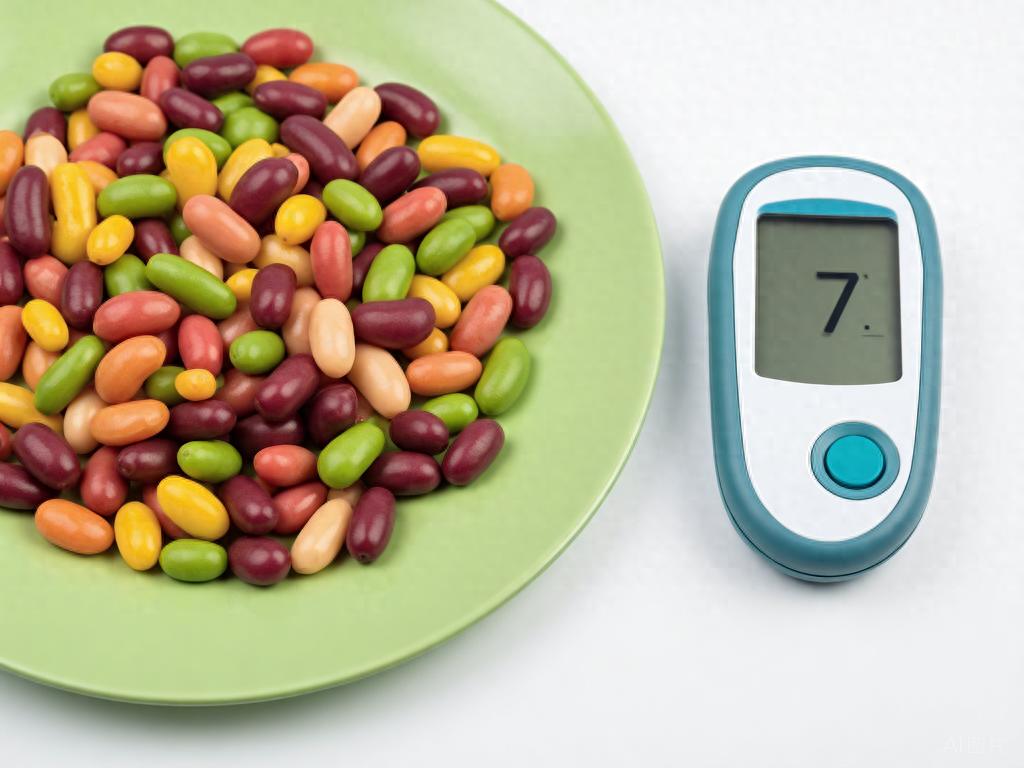
In fact, scientific dietary management is not simply a "starvation therapy," but rather a wise choice regarding "what to eat, how to eat, and how much to eat." Legumes, these nutrient-rich natural ingredients, are indeed invaluable healthy allies in the diet of individuals with diabetes.
01 Sugar Control Pioneer, Four Major Advantages of Legumes
Understanding the impact of food on blood sugar is the first step in diabetes dietary management. Legumes excel in stabilizing blood sugar, primarily due to their unique nutritional composition.
Low glycemic index (GI)One of the most prominent characteristics of legumes is their low glycemic index. Most legumes, such as soybeans, black beans, and chickpeas, have a glycemic index of only 15-30, making them typical low-GI foods. These low-GI foods remain in the gastrointestinal tract for an extended period, are digested and absorbed slowly, and help stabilize blood sugar levels, preventing a sharp post-meal spike in blood glucose.
It is noteworthy that,The glycemic index of legumes is significantly lower than that of staple foods made from rice and refined flour.For individuals who need to control blood sugar levels, this makes legumes one of the ideal staple food choices.
High dietary fiber contentAnother key factor for blood sugar control with legumes is their dietary fiber content. Per 100 grams, legumes contain 5-15 grams of dietary fiber. This component slows down the intestinal absorption of sugar, helping to manage post-meal blood glucose levels.
Dietary fiber also enhances satiety, which aids in weight management, and weight control itself is an important pathway to improving insulin sensitivity.
High-quality plant-based proteinIt should not be overlooked either. Legumes have a protein content as high as 20-40% and contain no cholesterol. In particular, soybeans can have a protein content of up to 36%.
Replacing some animal protein with legume protein can not only meet the body's protein requirements but also reduce the metabolic burden on the kidneys.
Rich in minerals and antioxidantsIt is the overlooked value of legumes. Minerals such as potassium and magnesium, which are abundant in legumes, have been proven to help improve insulin sensitivity.
Additionally, antioxidant components such as flavonoids in legumes can combat oxidative stress and reduce the risk of diabetes complications.
02 Legume Stars, the Best Choice for Diabetics
When faced with a wide variety of beans, how should individuals with diabetes make their choices? Here are several types of bean foods that are particularly suitable for people with diabetes.
Soybeans and Soy Productsis the preferred choice. Soybeans, black beans, green beans, and other legume varieties are important sources of high-quality plant-based protein. They not only provide high-quality protein but also contain unsaturated fatty acids and lecithin, which aid in cholesterol metabolism, help prevent vascular sclerosis, and offer protective effects against common cardiovascular complications associated with diabetes.
Soy milk has high digestion and absorption efficiency, making it particularly suitable for individuals who need convenient protein supplementation and elderly people with poor chewing function. For those with lactose intolerance, soy milk can also partially replace milk to help supplement calcium.
Mixed BeansThey are also indispensable. The nutritional composition of mixed beans such as red beans, mung beans, kidney beans, and chickpeas is closer to that of grains, but their glycemic index is significantly lower than that of grains. These types of beans are one of the ideal staple food choices for diabetic patients and can replace part of refined rice and flour in daily meals.
From the perspective of Traditional Chinese MedicineRed beans have the effects of promoting diuresis to reduce swelling, nourishing blood, and replenishing blood, while mung beans can relieve summer heat, quench thirst, clear heat, and detoxify. They can be consumed according to individual needs.
Fresh LegumesAlso beneficial. Fresh legumes such as green beans, fresh soybeans, and fresh broad beans not only retain the advantages of plant protein and dietary fiber but also contain health-promoting components like saponins and phytic acid, providing additional benefits for lowering blood pressure and protecting heart health.
It is particularly important to note thatLegumes other than soybeanssuch as red beans, mung beans, broad beans, kidney beans, and peas, their main component is also starch, so they should be counted as part of the staple food portion.
03 Smart Bean Eating, The Art of Cooking and Pairing
Beans are beneficial, but how can cooking and pairing truly leverage their blood sugar control advantages? Here are several practical tips from the nutritionist at Diabetes Companion.
Choose the Right Cooking MethodCrucial. Liu Yangyang, Director of the Preventive Treatment Center at the Affiliated Hospital of Changchun University of Chinese Medicine, explains that dried beans can be soaked in advance for about 8 hours. After draining the water, they can be stir-fried over low heat with a small amount of oil until crispy, or baked in an oven.
This low-temperature, low-oil cooking method can maximize the retention of dietary fiber, resistant starch, and minerals such as potassium and magnesium in legumes.
For individuals with weight management and blood sugar regulation needs, stir-fried legumes provide strong satiety and have a low glycemic index.Around 10 a.m. or 3 p.m. as a snackConsuming half a handful can both alleviate hunger and efficiently replenish nutrients.
Proper combination is keyAccording to the Dietary Guidelines for Adult Diabetes, combining legumes with whole grains and ensuring that low GI foods account for more than one-third of staple food intake is an effective strategy for controlling postprandial blood glucose.
In the "Three-Step Smart Porridge Drinking Method" recommended by Chen Xiaopei, Deputy Chief Physician of the Endocrinology Department at Zhejiang Hospital, it is emphasized thatThe proportion of coarse grains and legumes should account for at least half of the porridge ingredients.Combinations like oatmeal brown rice porridge, mung bean millet porridge, and quinoa black rice red bean porridge all have a relatively mild impact on blood sugar.
Protein is the anchor for stabilizing blood sugar. When consuming porridge or legume-based staple foods, it is essential to pair them with foods rich in high-quality protein. Protein delays gastric emptying, significantly reducing the overall glycemic response of mixed meals. A boiled egg, a few slices of braised beef, a serving of steamed fish, or chicken breast are all ideal companions.
Changing the order of meals can also help control blood sugar. Try the sequence of "first drink soup, then eat vegetables, followed by protein-rich foods, and finally consume staple foods." This approach can create a sense of fullness before eating staple foods, naturally reducing their intake.
Blood Sugar Control Techniques for Different Cooking Methods:
Cooking Methods | Advantages in Blood Sugar Control | Precautions |
Roasting/Baking | Retains dietary fiber and minerals, with a low glycemic index | Ensure the beans are thoroughly stir-fried or roasted to avoid affecting digestion |
Stewing | Protein and carbohydrates are more easily absorbed by the human body | Adding dried tangerine peel or ginger when cooking beans helps regulate qi and strengthen the spleen. |
Germination | Synthetic Vitamin C, Enhanced Nutrient Absorption | Quick blanching followed by cold tossing or stir-frying preserves the crisp and tender texture. |
Pulping | High digestive absorption efficiency, suitable for individuals with weak chewing function | Choose plain unsweetened soy milk to avoid added sugar |
04 Special Reminders, Precautions for Consuming Legumes
While legumes are beneficial for most individuals with diabetes, it is important to consider the following points when consuming them to ensure safety and health.
Be Wary of High-Sugar and High-Salt Processed FoodsAvoid high-sugar and high-salt processed products such as sweet bean paste, canned sweet beans, and salted bean products; prioritize natural bean products like boiled, steamed, or plain soy milk (unsweetened) and tofu.
Note special circumstancesPatients with poor kidney function or high uric acid levels should control their intake of legumes under medical guidance. A dietary recommendation for diabetes suggests that if a patient has developed diabetic nephropathy, it is advisable to avoid soy products. For individuals with weak digestive function who are prone to bloating after consuming legumes, it is recommended to try small amounts gradually to adapt, or opt for fermented soy products such as natto and miso.
Control total intakeEven healthy legumes should be consumed in moderation. Legumes should be considered part of the staple food, not an additional food item. When including legumes in a meal, the intake of other staple foods in that meal should be reduced accordingly.
Cook thoroughlyWhen cooking legumes, it is essential to ensure they are thoroughly cooked to destroy any potential antinutritional factors present in raw beans, thereby avoiding adverse effects on digestion and absorption. After thorough cooking, the proteins and carbohydrates in legumes are converted into forms that are more easily absorbed by the human body, while also reducing the burden on gastrointestinal digestion.
When cooking porridgeThe content released by the Wenzhou Municipal Health Commission suggests,People who need to control blood sugar, such as those with diabetesThe core lies in selecting ingredients with a low glycemic index, strictly limiting added sugars, and controlling the total intake of carbohydrates.Use whole grains such as brown rice, oat rice, and quinoa as the base for staple foodsFor mixed beans, it is recommended to choose low-GI legumes such as chickpeas and lentils.
Each tiny bean holds great wisdom for stabilizing blood sugar. Through scientific selection and reasonable consumption, diabetic patients can fully enjoy delicious food while better managing their blood sugar levels.