Experts remind: Diabetic patients must avoid four misconceptions to stay away from diabetic foot
A small wound on the foot could lead to amputation? Deputy Chief Physician Huang Xinwen from Lanzhou Ruijing Diabetes Hospital reminds: Diabetic patients should avoid these four misconceptions to stay away from "diabetic foot"!
A pair of seemingly healthy feet may be quietly heading toward a crisis.
Doctor, I really didn't expect that a small cut on my foot would end up like this..." In the consultation room at Lanzhou Ruijing Diabetes Hospital,Deputy Chief Physician Huang XinwenI have treated too many diabetic patients whose minor foot problems escalated into major complications.
\
Director Huang recalled thatThere was a patient with type 2 diabetesOne month ago, ulceration was noticed on the right heel and inner side of the foot, but it was not taken seriously. Later, ulceration also began to appear on the inner side of the left foot, and numbness in both feet gradually worsened, prompting urgent medical attention.
The moment the dressing was lifted, even Director Huang, who was accustomed to seeing patients, felt a pang of distress.The ulcer on the right foot is deeper and more severe than anticipated.
“This is by no means an isolated case.Director Huang said gravely, Many people with diabetes lack sufficient awareness of diabetic foot and hold onto a sense of luck,From a small blister or a callus, it eventually progresses to infection, gangrene, and even the risk of amputation.This not only brings immense physical and mental suffering but also imposes a heavy economic burden on families.
Director Huang Xinwen emphasized,The core risk of diabetic foot stems from two hidden killers: neuropathic complications and vascular lesions.They work together to make the feet exceptionally fragile:
- Neurological complicationsLoss of sensation, unaware of injury.
- Vascular LesionInsufficient blood supply makes wound healing extremely difficult.
To avoid this risk, it is essential to first steer clear of the following four most common cognitive biases.
Myth One: If your feet don't hurt or itch, you don't need to pay attention to them?
“Precisely because it causes no pain or itch, it is the most dangerous!Director Huang explained that diabetic neuropathyComplications会Gradually depriving the feet of their "pain alarm" function.After numbness sets in, patients may remain completely unaware of shoes rubbing the skin raw, scalding from hot water, or even small foreign objects piercing the skin.
When you see or smell an unusual odor yourself,The infection has often already penetrated deeply.Director Huang reminded,Prevention must be done before problems occurOne must never let down their guard simply because they "feel fine."
Misconception Two: Soaking Feet in Warm Water, The Longer the Soak, the More Comfortable It Feels
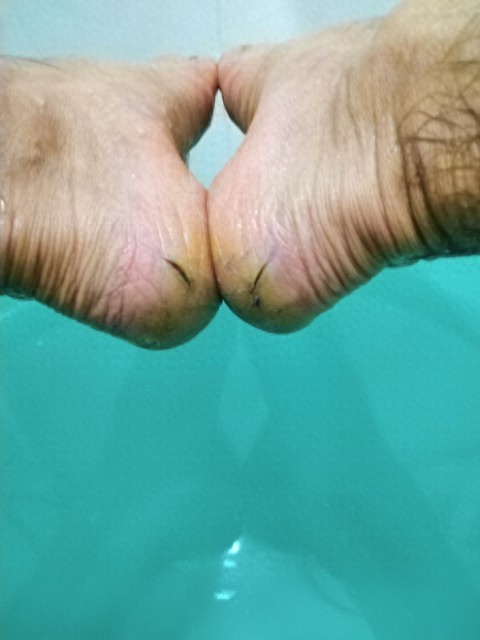
Many diabetic patients enjoy soaking their feet before bed to relax, but Director Huang pointed out a key risk:Prolonged soaking in warm water can soften and damage the fragile stratum corneum of the foot skin., thereby reducing its defensive capabilities.
After the skin barrier is compromised,More susceptible to fungal and bacterial invasionand once minor damage occurs, the healing speed will be much slower." He suggested that even when soaking feet, the water temperature should be measured with the elbow or a thermometer (≤37℃).Time control within 10-15 minutesIt is advisable to soak, and after soaking, use a soft towelGently pat dry, especially between the toes.。
Myth 3: Is it okay to pick off corns and calluses on your feet by yourself?
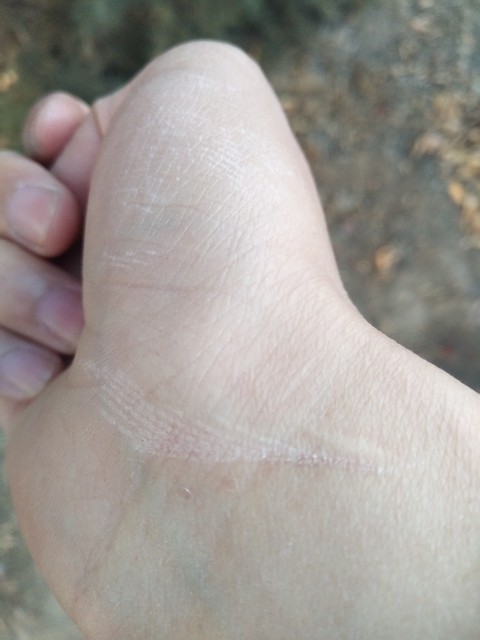
“This is an extremely dangerous procedure!Director Huang spoke in a serious tone. Due to reduced sensation, self-trimming can easily causeInconspicuous deep skin damageforming invisible wounds.
“Hand Bacteria + Poor Foot Blood Supply + High Glucose EnvironmentIt's practically a 'perfect breeding ground' for infection." Director Huang emphasized that the repeated appearance of calluses often indicates abnormal local pressure,Must be assessed and managed by professional medical personnel.and address the underlying mechanical issues (such as custom-made pressure-relief insoles), rather than simply removing them.
Myth 4: High blood sugar doesn't cause any symptoms, so it's fine for a while?
“High blood sugar is a silent destroyer.Director Huang gave an analogy, "It's like cutting flesh with a blunt knife,Quietly damaging the microvessels and nerves throughout the bodyThe feet are the most severely affected area.
Poor long-term glycemic control,Damage to nerves and blood vessels continues to accumulate.The defensive and reparative capacity of the feet will progressively deteriorate.By the time symptoms appear, the optimal window for intervention has often already passed.Therefore,Stable blood sugar control is the most fundamental cornerstone for protecting the feet.。
Director Huang Xinwen's "Three Methods for Foot Care"
How to build a solid defense for your feet? Director Huang offers three core recommendations:
1. Conduct daily self-checks and become your own "first line of responsibility."
Spend 2 minutes each day examining in a well-lit areaSole of the foot, dorsum of the foot, interdigital spacesObserve for the presence or absence ofDamage, Redness, Blisters, Abnormal Color, Dryness and Cracking. Also, feel whether there isNumbness, tingling, crawling sensationand other abnormalities. Consult a doctor promptly if any "unusual signs" are noticed.
2. Adhere to the "blood sugar control baseline," which is the foundation of foot care.
Follow medical advice for regular medication and blood glucose monitoring; do not arbitrarily stop or adjust medication. Cooperate withBalanced Diet and Moderate ExerciseMaintaining long-term stable blood glucose levels within the target range protects nerves and blood vessels at the source.
3. Regular professional screening to quantify risk levels
Director Huang recommends that all diabetic patients should undergo regular professional diabetic foot screening, with the frequency determined based on risk level:
Risk Level | Characteristics | Recommended screening frequency |
Grade 0 (Very Low Risk) | No nervesComplicationsNo vascular lesions | Once per year |
Grade 1 (Low Risk) | There are nervesComplications 或Vascular Lesion | Once every 6-12 months |
Grade 2 (Intermediate Risk) | NerveComplications +Vascular lesions/Foot deformities | Once every 3-6 months |
Grade 3 (High Risk) | History of ulcer, history of amputation, or end-stage renal disease | Once every 1-3 months |
“'Diabetic foot' itself may not be terrifying; what is truly frightening is the fearlessness and procrastination caused by a lack of awareness.”