Beer vs. Liquor: Which One Harms Your Health More? All Alcohol Lovers, Take a Look!
In modern life, whether it's business entertainment, wedding banquets, or gatherings among friends, alcohol is almost always present to liven up the occasion. In China, the most commonly consumed alcoholic beverages are liquor and beer. Everyone knows that drinking harms health, but which is more damaging - liquor or beer? Let's find out today!
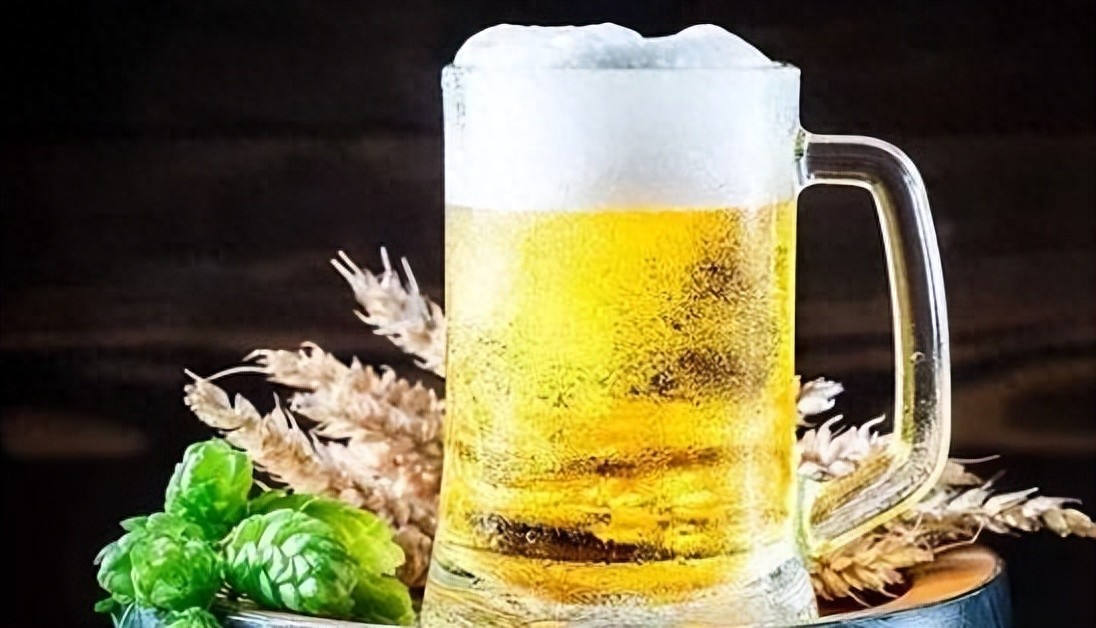
Beer
Beer is the world's third most consumed beverage after water and tea. It is a low-alcohol drink containing small amounts of alcohol, so moderate consumption can help activate blood vessels and provide certain health benefits. However, regular drinkers should be cautious—excessive beer intake increases absolute alcohol quantity, placing extra burden on the liver and directly damaging liver tissue. Those who frequently drink large amounts of beer often develop an enlarged heart, referred to as "beer heart" or "bovine heart." Although beer's alcohol content is relatively low, prolonged heavy consumption can lead to continuous cardiac damage from alcohol, weakening the function of fat cells in myocardial tissue and resulting in tachycardia.
Chinese Liquor (Baijiu)
Baijiu is a distinctive Chinese distilled spirit and one of the world's six major distilled liquors (Brandy, Whisky, Vodka, Gin, Rum, and Chinese Baijiu). It is made from starch or saccharide ingredients through fermentation and distillation, typically with an alcohol content above 40% ABV (below 40% is considered low-proof). For those with insomnia, drinking a small amount of baijiu before bed may aid sleep. It also stimulates gastric acid and saliva secretion, promoting digestion.
Due to its high alcohol content, excessive consumption of baijiu should be avoided as it may lead to alcohol poisoning and damage to liver and brain cells. For general consumers, the daily intake of high-proof baijiu (e.g., above 50% ABV) should not exceed 100ml (about 2 Chinese liang), while low-proof baijiu (30~38% ABV) should be limited to no more than 150ml (about 3 Chinese liang) per day.
So which of these two types of alcohol poses greater harm to the body?
PK Conclusion
Beer has lower alcohol content, so people subconsciously assume it's less harmful; baijiu (Chinese liquor) has purported health benefits, leading some to believe it's better. In reality, any comparison that doesn't consider dosage is meaningless.
Given equal consumption amounts, baijiu has higher alcohol content than beer, placing greater strain on the stomach, intestines, and liver. Therefore, baijiu causes more harm than beer.
Given the same alcohol content, one Jin (500g) of 28% low-alcohol liquor is equivalent to 3-5 bottles of 8-12% beer. In this case, the consumption volume of beer is greater than that of liquor, with correspondingly higher water content and caloric intake, which can easily cause bodily dysfunction when consumed at once. From this perspective, beer consumption clearly causes greater harm.