Arterial Plaque Present But No "Three Highs"—Does Medication Need to Be Taken?
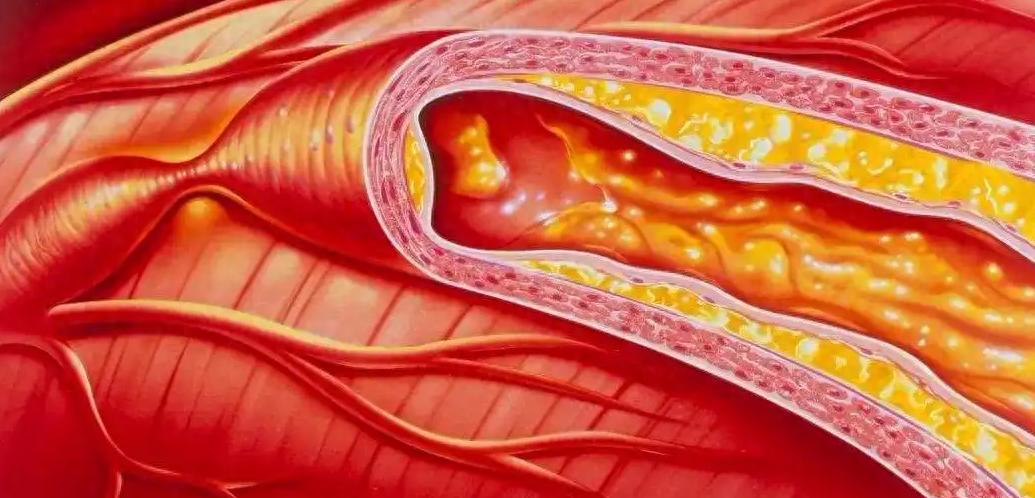
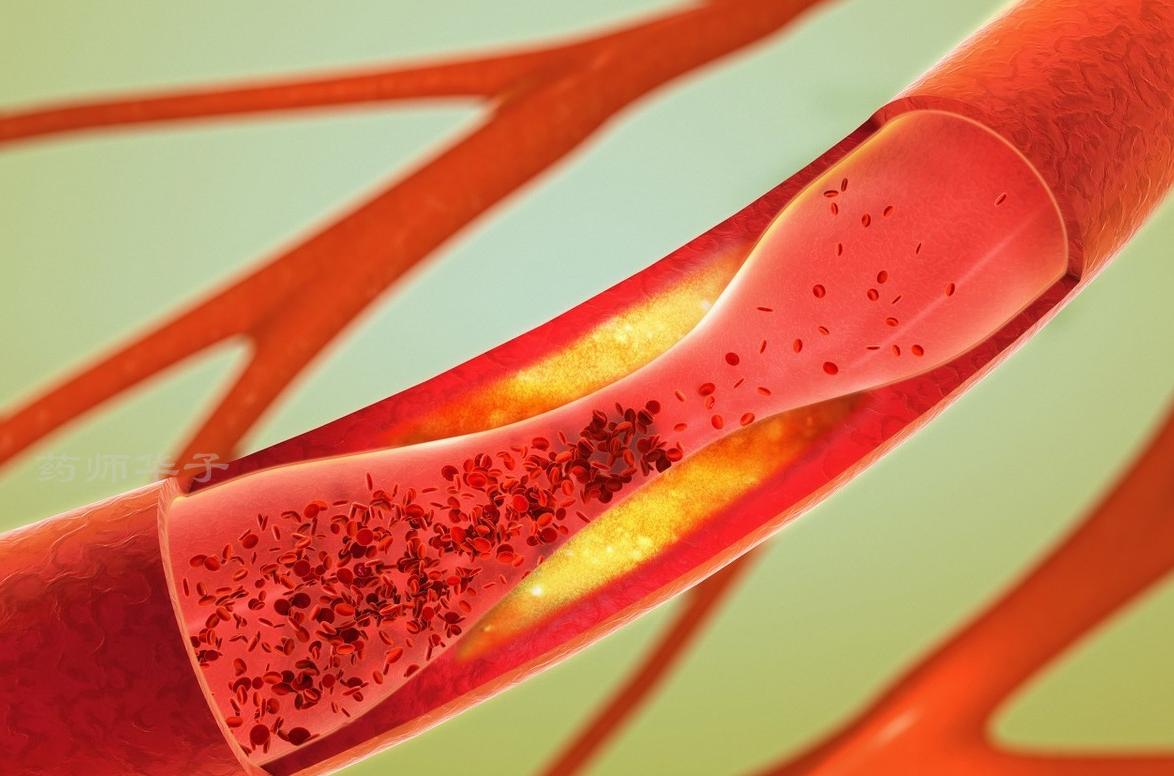
Some patients don’t smoke or drink, have no "three highs" (hypertension, hyperlipidemia, hyperglycemia), yet plaque is detected in their neck vessels with a blockage rate as high as 30%. Does this require intervention? Today, we’ll focus on explaining this issue—whether medication is needed depends on two main scenarios.
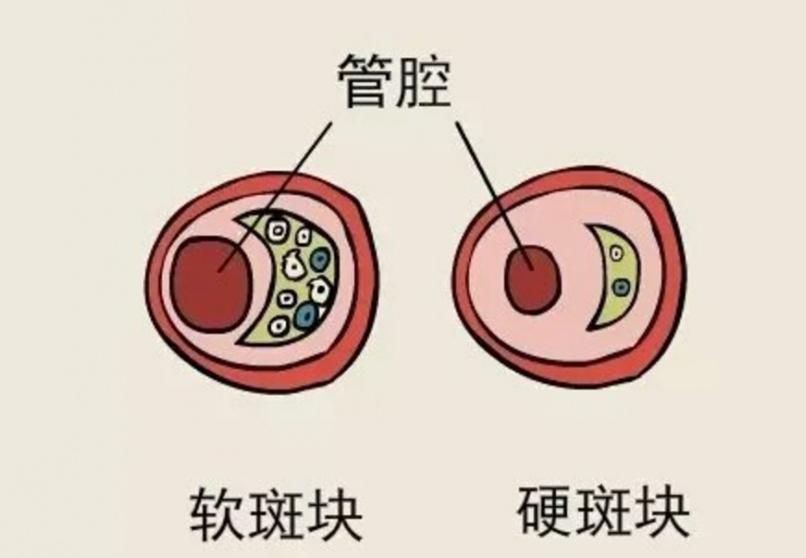
The first scenario: If flat, homogeneous plaque is detected but your "three highs" are normal, you have no history of smoking, your weight has remained well-controlled (no obesity), and none of your immediate family members have cardiovascular or cerebrovascular diseases, and your ophthalmic artery examination shows no abnormalities—then it’s generally safe to conclude that this is stable plaque. The likelihood of rupture is very low, and disease progression is extremely slow. The vascular blockage you’re concerned about may not occur for decades. In such cases, there’s no need to worry or take medication. When I encounter such patients, I usually don’t prescribe any drugs and simply advise observation.
The second scenario is when you have abnormalities in one or more of your blood pressure, blood lipids, or blood sugar, or when risk factors such as smoking, obesity, or family history are present. If you exhibit one or more of these conditions and a retinal artery examination reveals severe issues, then the plaque may progress rapidly, with a higher likelihood of rupture. In such cases, medication is essential—you cannot afford to ignore it and let it worsen unchecked.