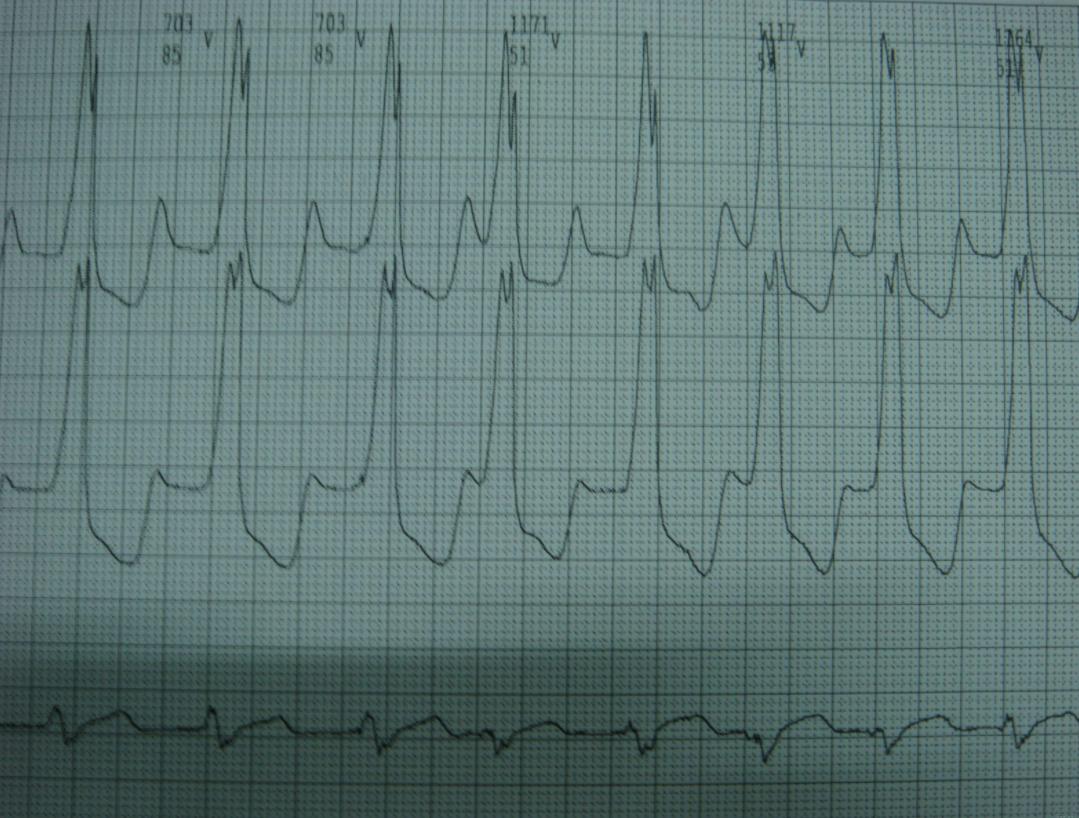
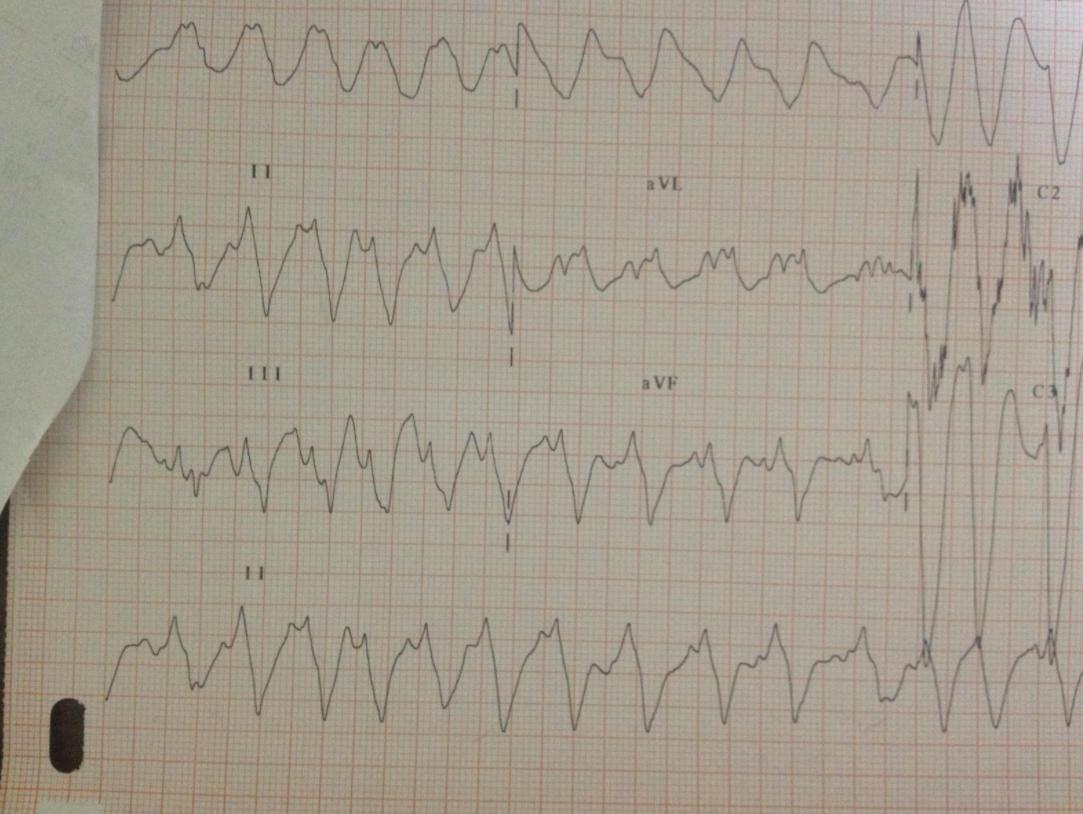
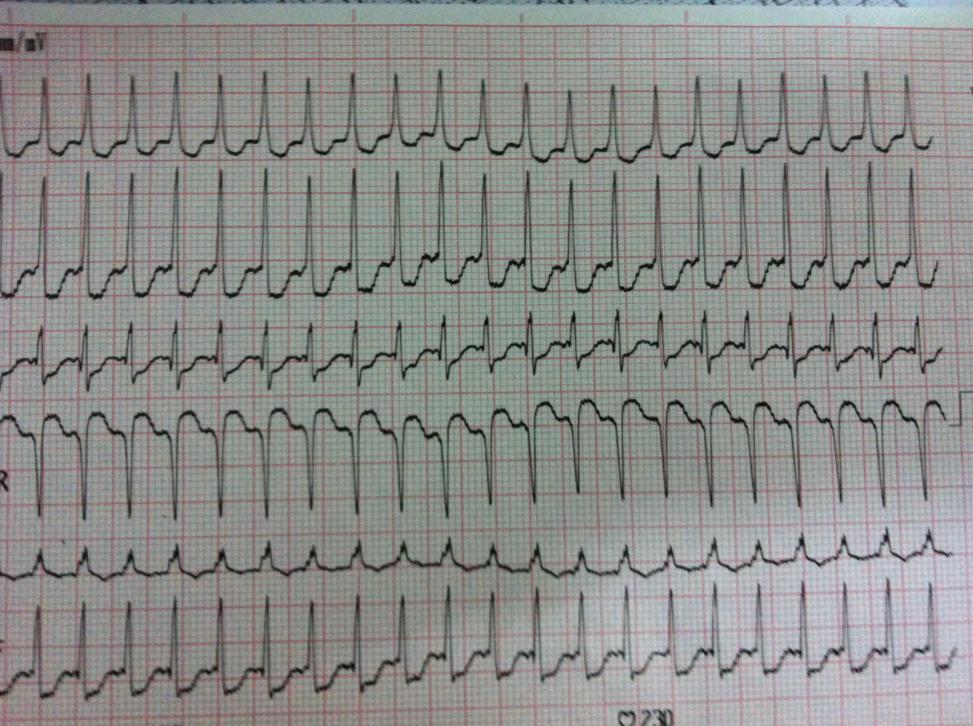
Why is ventricular tachycardia considered more severe than myocardial infarction?
Ventricular tachycardia (VT) is a relatively severe type of arrhythmia. Although myocardial infarction is generally considered a more malignant condition, ventricular tachycardia actually carries higher clinical risks. Here are several aspects in which VT is more dangerous compared to myocardial infarction:
1. The mortality risk of myocardial infarction is relatively lower
While myocardial infarction has a significant impact on heart health, most patients can survive if treated promptly and receiving timely medical intervention. However, the situation differs for patients with ventricular tachycardia (VT); once this condition develops, the risk of sudden death increases substantially, requiring immediate medical attention and treatment.
2. VT causes more severe cardiac damage
Ventricular tachycardia leads to rapid heart contractions and impaired blood flow, placing greater strain on the myocardium and exacerbating cardiac pathology. If this condition progresses continuously, it may trigger ventricular tachycardia, heart failure, and cardiac insufficiency, causing more severe consequences for the patient's health.
3. VT is more challenging to treat
Treating ventricular tachycardia (VT) often proves more challenging than managing myocardial infarction. This is because VT patients' hearts not only have pathological changes but also frequently exhibit functional contraction disorders, placing higher demands on both treatment and diagnosis. Conventional pharmacotherapy and waveform analysis methods typically struggle to address this condition, requiring instead more advanced medical interventions such as cardiac pacemakers, cardiac ablation, or temporary pacemakers.
In summary, ventricular tachycardia represents a more severe form of cardiovascular disease compared to heart attacks, posing greater risks to patients. Those with pre-existing cardiovascular conditions or cardiac health issues should maintain heightened preventive awareness and promptly consult doctors about any symptom changes to receive timely, effective treatment.