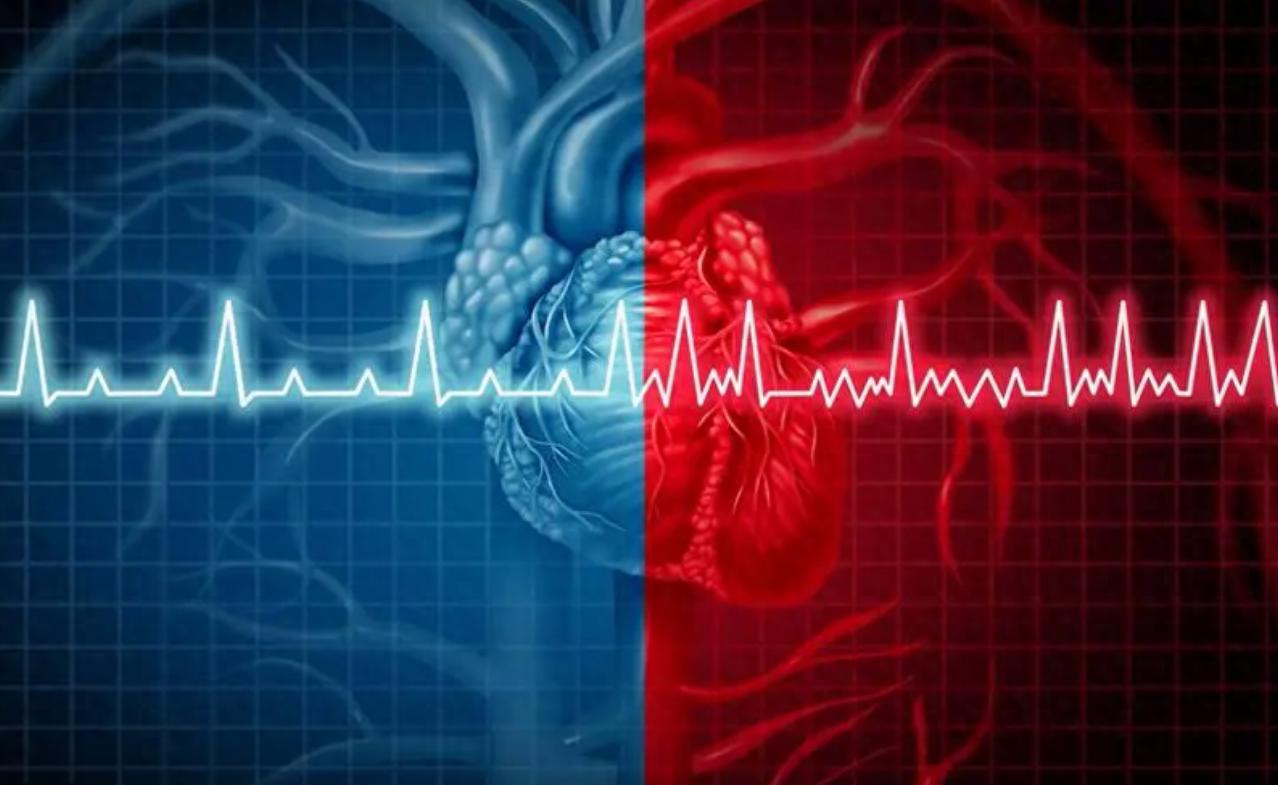
For patients with atrial fibrillation, time is of the essence! There are three critical time points to pay attention to.
In the outpatient clinic, I often encounter patients with atrial fibrillation. When I ask them when their atrial fibrillation started, they might say "two or three days ago," and I'll press further to clarify whether it's two days or three. They ask if it makes a difference, and I say yes. Later, when they confirm it's definitely been more than two days, I sigh as a doctor because they've missed an opportunity for cardioversion.
The saying "time is life" is no exaggeration for us atrial fibrillation patients. There are three time points you must remember—today I'll emphasize them one last time!
1 We all know that after an atrial fibrillation (AFib) episode occurs, blood clots are very likely to form in the atria. After 48 hours of AFib onset, the risk of thrombosis increases significantly. Therefore, we must strive to restore AFib to normal sinus rhythm within 48 hours, either through medication or electrical cardioversion.
2 If you've missed the golden 48-hour window, it's crucial to seek medical treatment as soon as possible before day 7. AFib episodes occurring within 7 days are still classified as paroxysmal AFib, and there's still a chance for successful cardioversion. However, once it exceeds 7 days, it becomes persistent AFib, where the probability of successful conversion drops markedly.
3 Once your AFib episode has lasted more than 12 months (one year), there's almost no chance of restoring normal rhythm. AFib lasting beyond one year is called permanent or chronic AFib, which becomes particularly challenging to manage.
To sum up, the key message is simple: early detection and early treatment of AFib—time truly means life! %%