How to Lower Elevated LDL Cholesterol: Keep These 2 Methods in Mind!
I believe those who have diligently studied cardiovascular health with me are already familiar with LDL cholesterol. Many have gained some understanding and learned to pay attention to this marker.
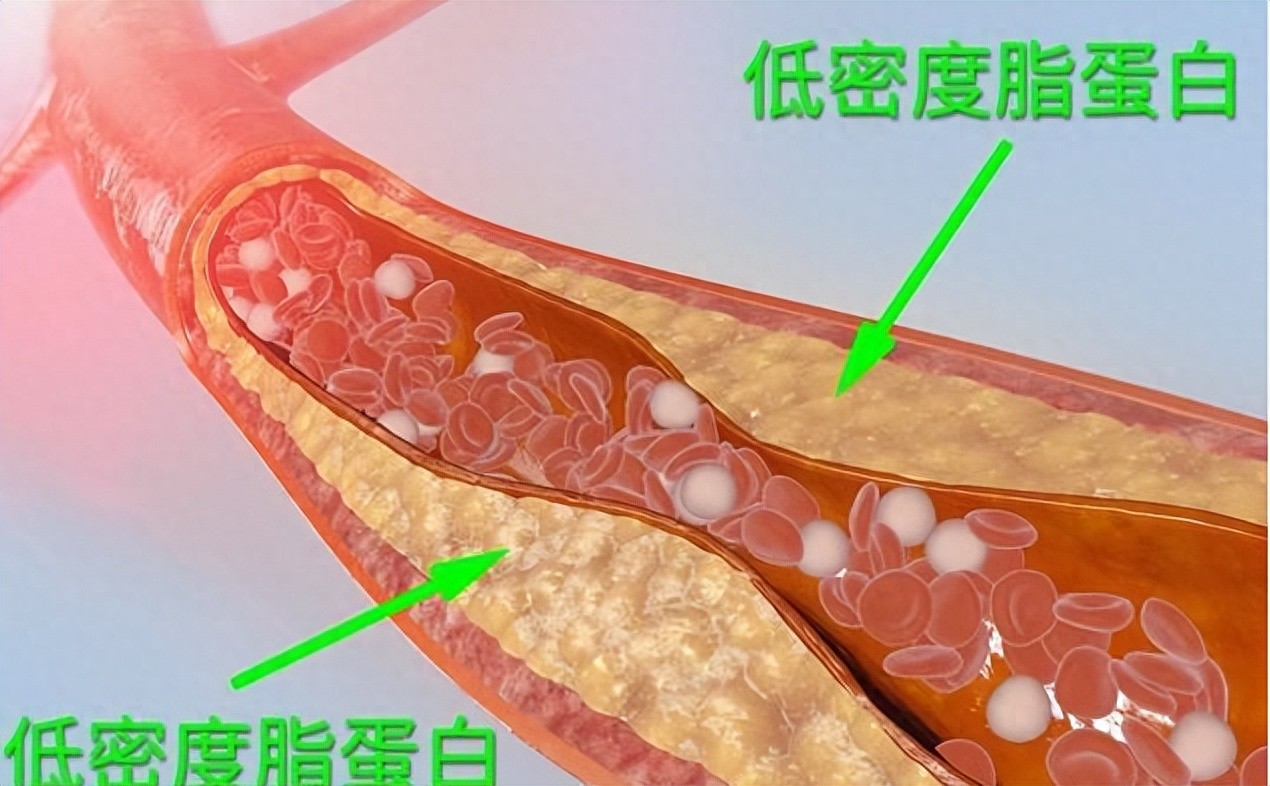
For those who may not fully understand, let me briefly explain: LDL cholesterol, as a "bad" lipid, can lead to recurrent conditions like coronary heart disease or cerebral infarction if elevated levels are ignored by patients with cardiovascular or cerebrovascular diseases. LDL cholesterol is the main culprit behind blood vessel blockages. Therefore, both we doctors and you patients must understand and take this marker seriously!
So, what are the methods to help lower elevated LDL levels?
1. Non-medication methods: For those who don’t want to take medication, special attention should be paid to lifestyle. Lifestyle changes generally boil down to a few key points: diet, exercise, and routine. What to eat and what to avoid has been discussed many times—low-salt and low-fat diets are fundamental, quitting smoking and alcohol is essential, and combining these with moderate exercise can maintain a healthy lifestyle.
2. Medication methods: When it comes to controlling LDL, my principle is this—if lifestyle changes can lower levels without causing short-term harm, I prefer patients to reduce their levels this way. However, some patients may have already worked hard to improve their lifestyle but still haven’t seen results, or high-risk groups can’t afford to wait through a lengthy process. In these cases, medication is necessary. Whether it’s statins or traditional Chinese medicine with fewer side effects, actively lowering this indicator and reducing the risk of cardiovascular disease is our shared goal.