Why Does Heart Failure Cause Edema?
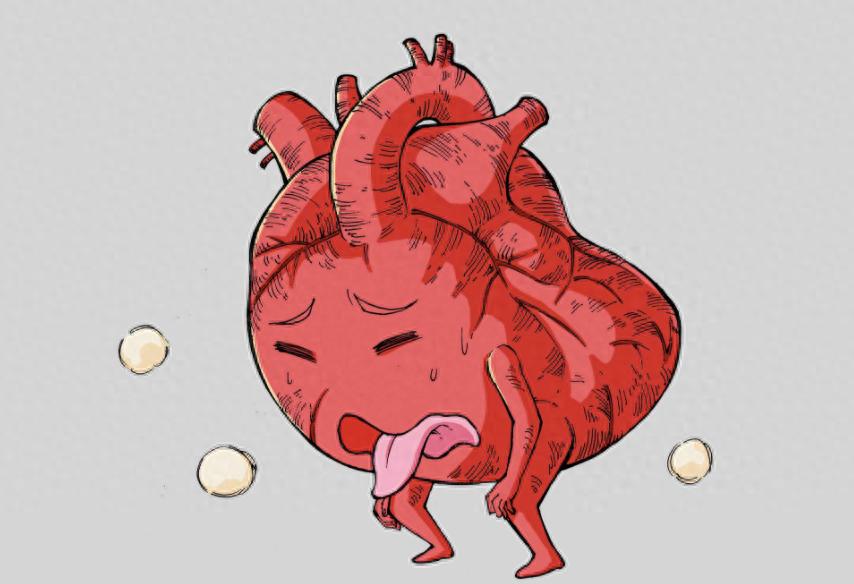
Heart failure, also known as cardiac insufficiency, is a condition where the heart's function is impaired. Edema is one of the common symptoms of heart failure, though not all patients with heart failure develop edema. Generally, edema symptoms appear when heart failure reaches a certain severity.
The primary reasons for edema in heart failure include the following aspects:
1. Decreased cardiac pumping function: The primary function of the heart is to pump blood, circulating it throughout the body. When heart failure occurs, the heart's pumping capacity decreases, resulting in inadequate blood flow to various parts of the body, especially in the limbs and dependent areas such as lower extremities and lumbosacral region.
2. Impaired venous return: When cardiac pumping function declines, venous return is also compromised. Venous return is the pathway through which blood returns from various body parts to the heart. When venous return is obstructed, blood accumulates in different parts of the body, leading to edema.
3. Fluid retention: During heart failure, decreased cardiac function causes systemic congestion, resulting in fluid retention in various body parts - particularly in dependent areas and loose tissues such as lower extremities, lumbosacral region, and thoracic cavity.
4. Valve disorders: In heart failure, valve dysfunction may occur, such as valve stenosis or regurgitation. This causes blood to pool in the heart or blood vessels, thereby inducing edema.
In summary, the main causes of edema in heart failure include decreased cardiac pumping function, obstructed venous return, fluid retention, and valve issues. When edema symptoms occur, timely medical attention and professional treatment are essential.