Traditional Chinese Medicine always asks you to stick out your tongue—it's the true barometer of your health, more accurate than pulse diagnosis
"Let me see your tongue"
"Now lift your tongue and let me see"
Traditional Chinese Medicine always asks you to stick out your tongue—this is truly the barometer of human health, more accurate than pulse diagnosis.
Whenever you visit a TCM practitioner, the doctor always asks you to stick out your tongue, making it quite embarrassing—a big awkward expression written all over your face. Some people even scrape their tongue coating daily, thinking it looks cleaner.
Scraping off the tongue coating is like burying one's head in the sand—a self-deception.
The tongue coating is the barometer of human health.
No matter how much medical science develops or progresses, tongue diagnosis—one of the four diagnostic methods in Traditional Chinese Medicine—remains indispensable. Even if pulse-taking is skipped, examining the tongue is always essential.
Why is that? Because the tongue coating is actually the barometer of human health.
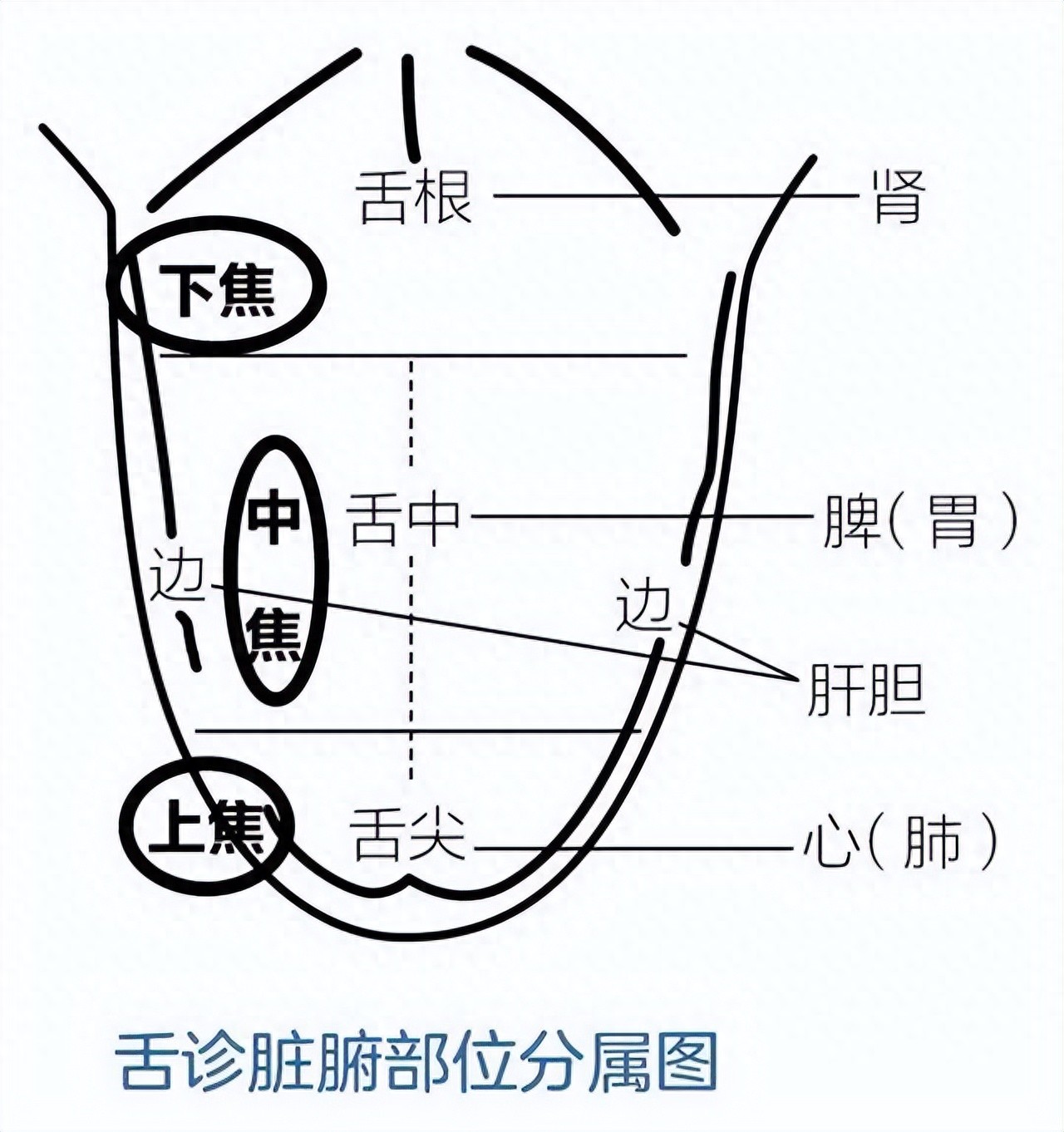
The tongue maintains close connections with internal organs, qi and blood, and body fluids. Therefore, the deficiency or excess of visceral organs, the abundance or decline of qi and blood, the sufficiency or deficiency of body fluids, the waxing and waning of pathogens versus healthy qi, as well as favorable or unfavorable disease progression can all be reflected through changes in tongue appearance. This constitutes the underlying principle of tongue diagnosis.
"The tongue is the sprout of the heart," and "the heart's qi connects with the tongue." The freedom of tongue movement, clarity of speech, and sensitivity of taste are all related to the heart's function of governing consciousness, indicating a close connection between the tongue and the heart. Tongue coating is formed by stomach qi rising to fumigate and stomach fluids ascending to condense on the tongue surface, thus it is also directly related to the transformative functions of the spleen and stomach.
How to examine the tongue?
What do we look for when the tongue is extended?
1. What does a normal tongue look like?
To understand what is abnormal, we must first know what normal looks like?
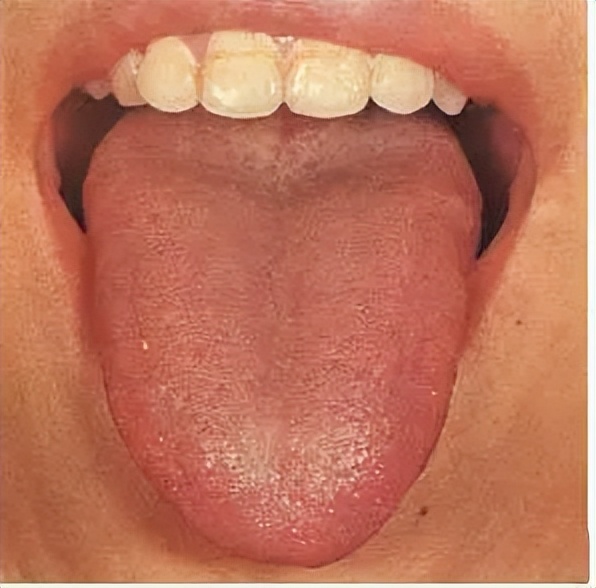
Tongue body:
Spirit: Moist
Color: Pale red and bright
Shape: Moderate in size
Condition: Soft and flexible
Tongue Coating:
Color: Thin and white, evenly distributed
Texture: Moderately moist with root attachment
Indicates normal function of related organs (heart, lungs, spleen, stomach, kidneys, etc.), abundant qi, blood and body fluids, and strong stomach qi
2. Observing color abnormalities
A bright red tongue with little coating, or with fissures, or crimson without coating indicates a deficiency-heat pattern.
A red tongue tip typically indicates heart fire flaring upward; redness on both sides of the tongue usually suggests heat in the liver channel.
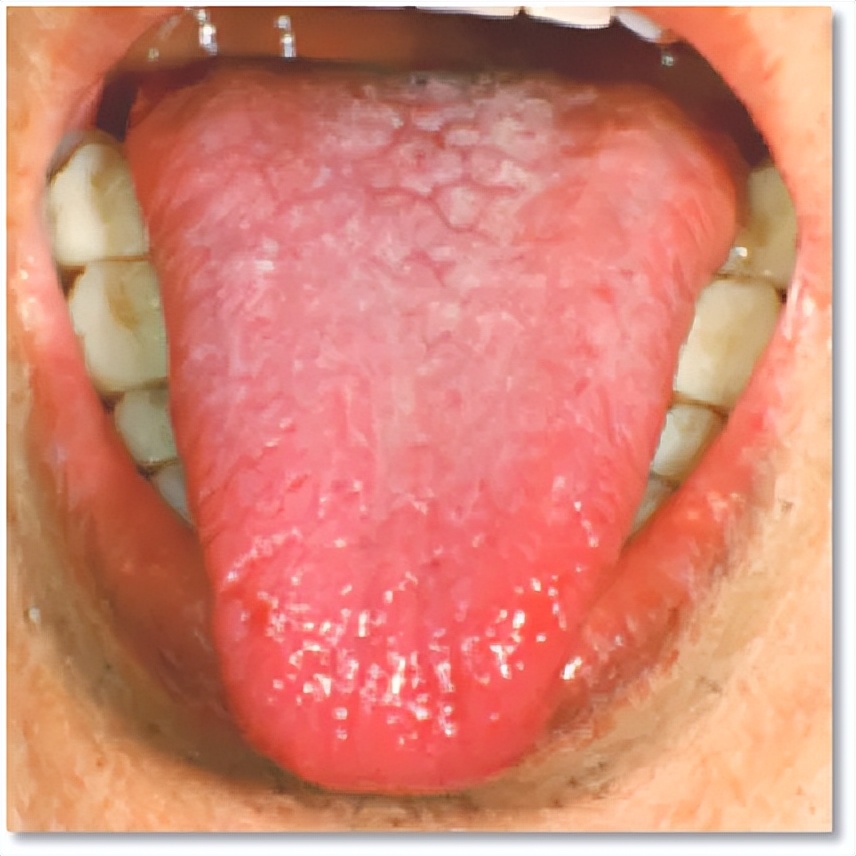
Pale and shiny with a thin tongue body indicates dual deficiency of qi and blood;
Pale and moist with a swollen and tender tongue body usually indicates yang deficiency and internal retention of water-dampness.
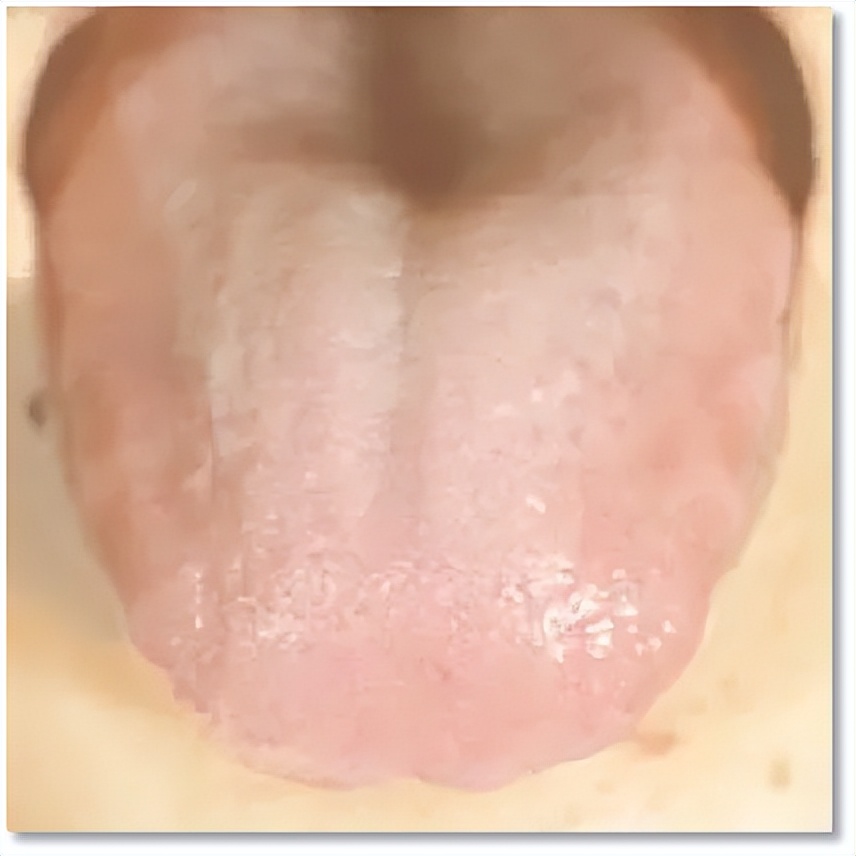
Ecchymotic Tongue: Blood Stasis
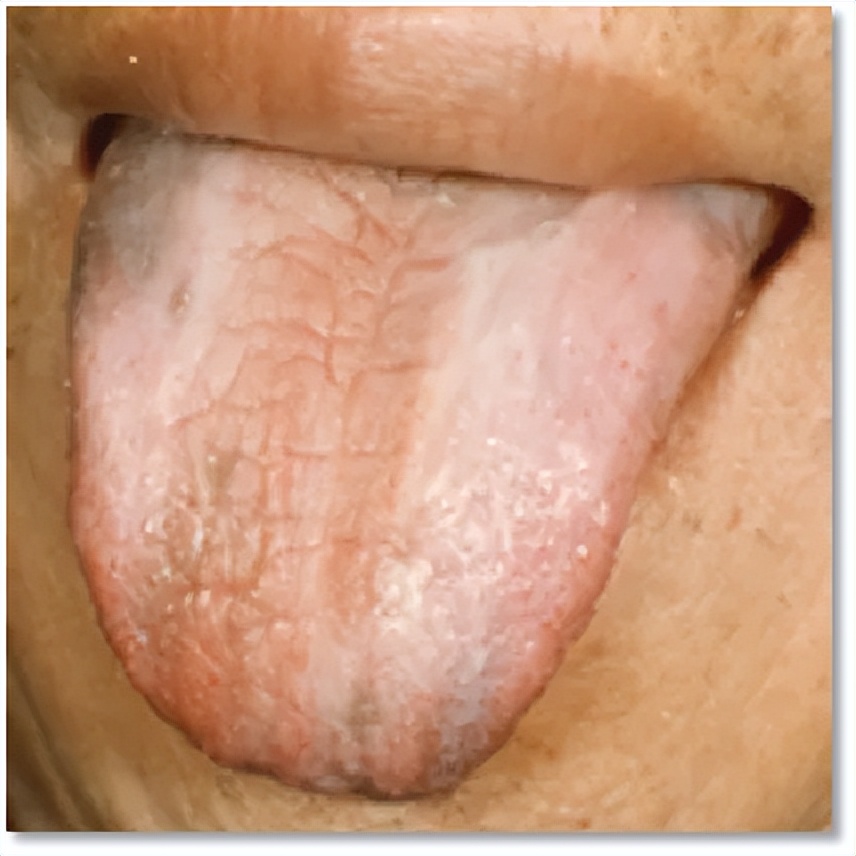
Petechial Tongue: Stagnation of Qi and Blood
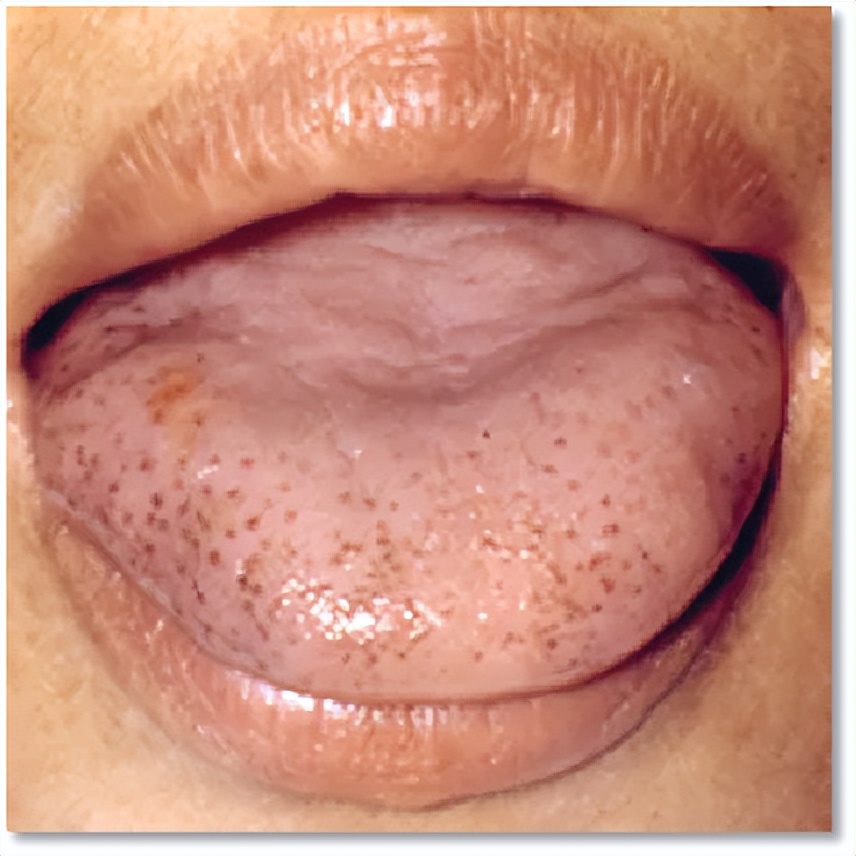
3. Observe Tongue Shape:
Lean red tongue: Yin deficiency with fire effulgence
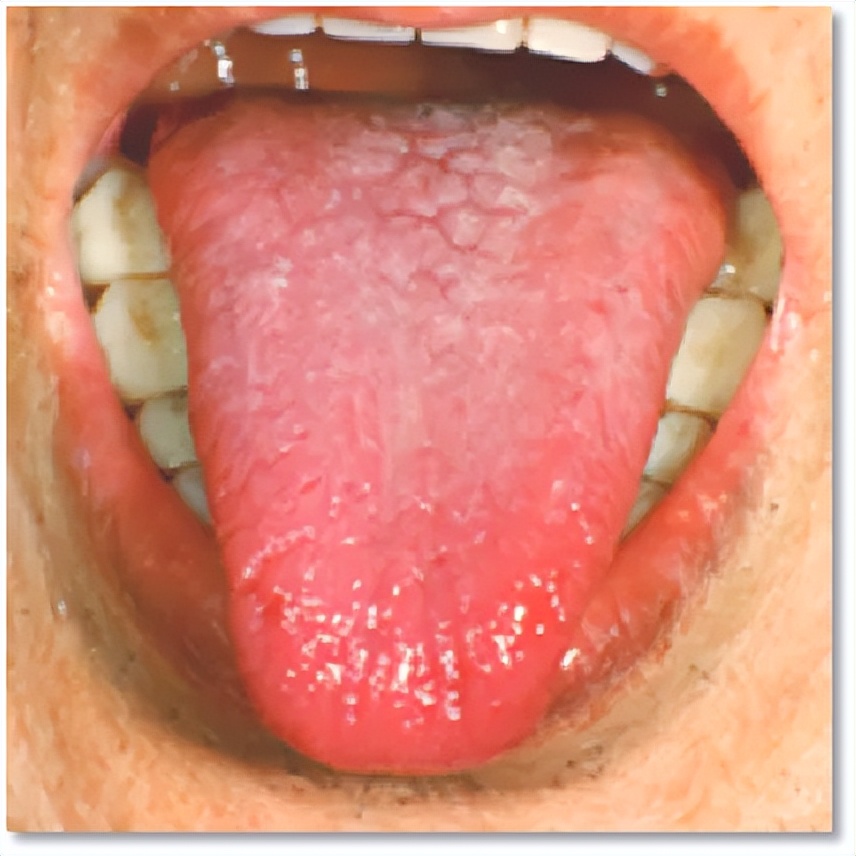
Pale and thin tongue: Qi and blood deficiency
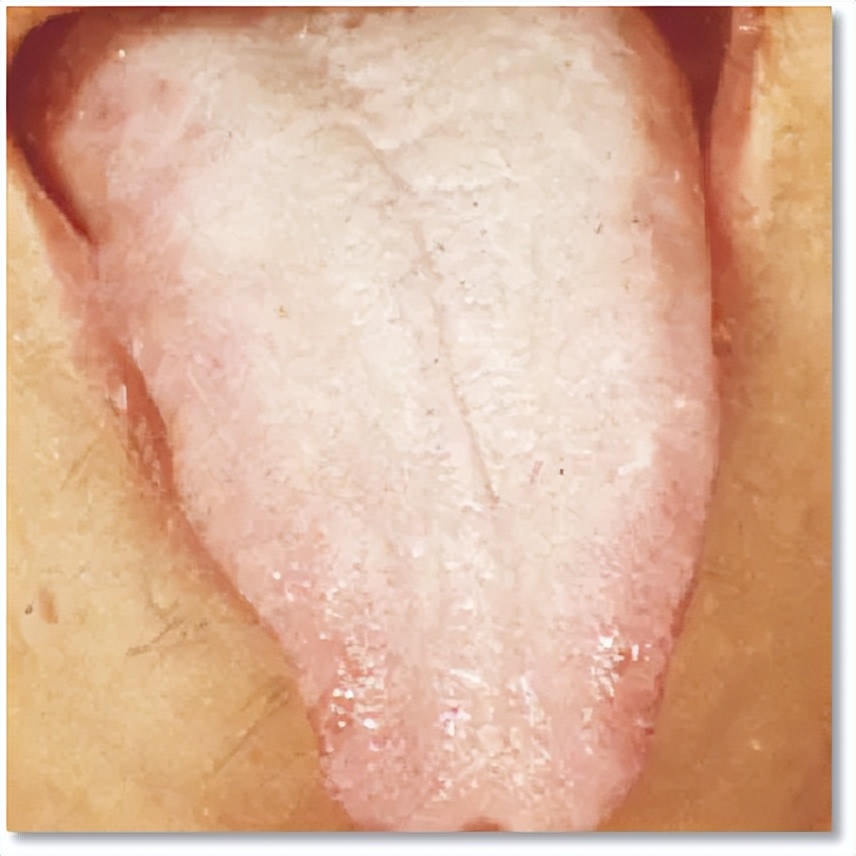
Teeth-marked tongue: Spleen deficiency, excessive dampness
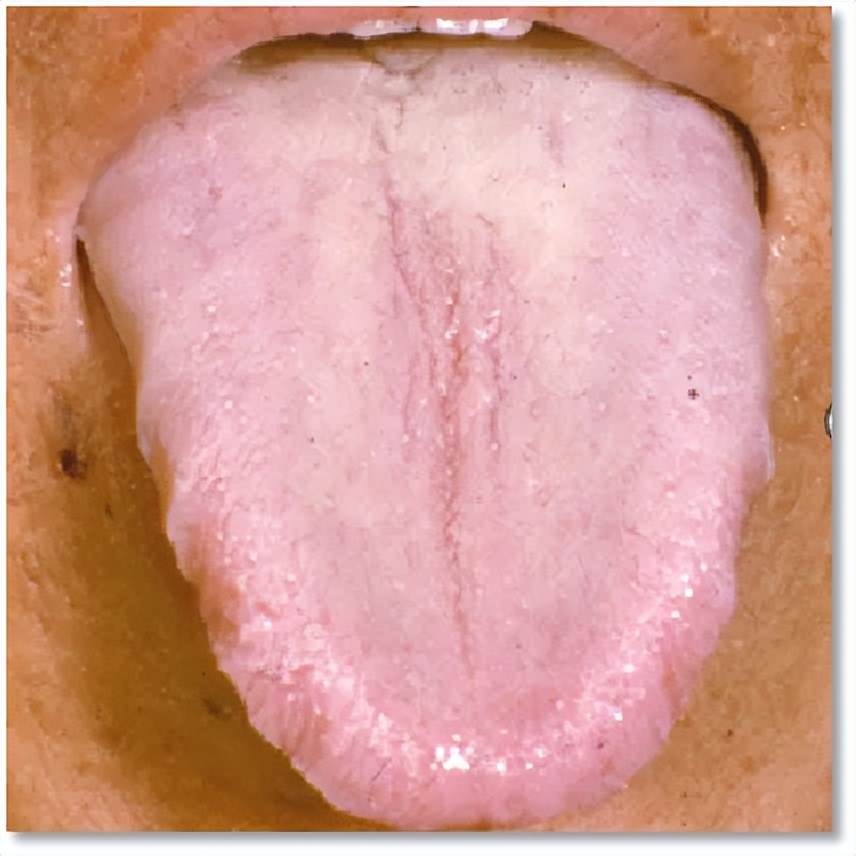
Prickly tongue: Excess heart fire at the tongue tip, severe gastrointestinal heat in the middle of the tongue, exuberant liver-gallbladder fire at the tongue edges
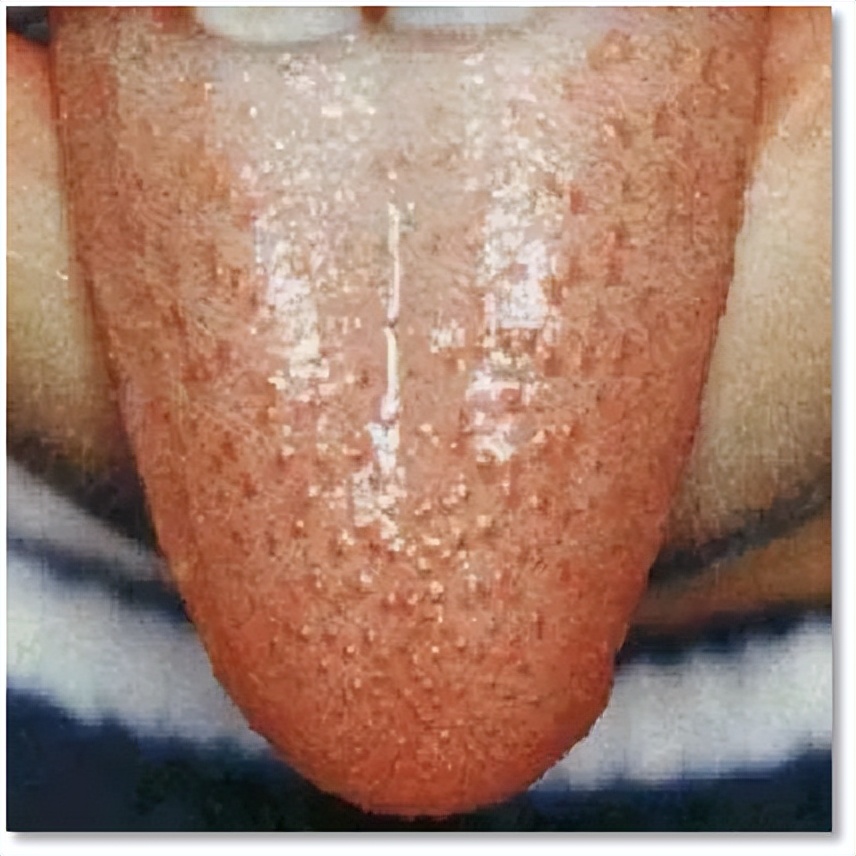
4. Then observe the tongue coating
The thickness of tongue coating mainly reflects the waxing and waning of pathogenic and healthy qi, as well as the depth of pathogenic factors.
Thick coating: Excessive pathogenic factors penetrating inward, or internal accumulation of phlegm and undigested food
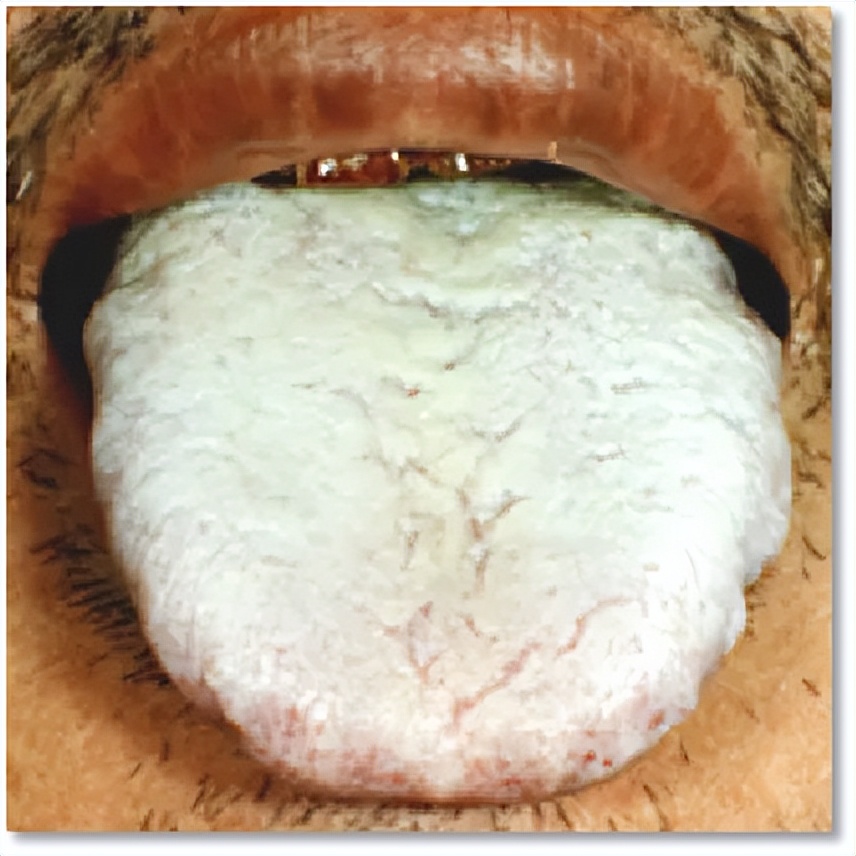
Slippery coating: Excessive moisture, the tongue appears as if it's about to drip, indicative of phlegm retention and dampness
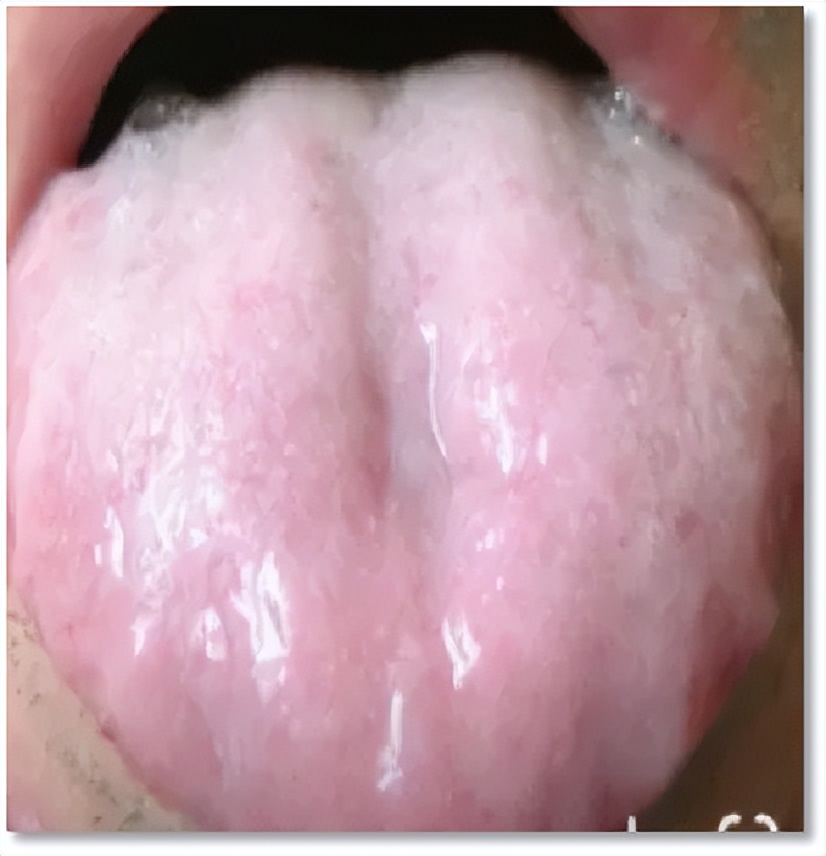
Rotten coating: The formation of rotten coating often results from excessive yang-heat, which steams and causes turbid pathogenic factors from the stomach to rise and accumulate on the tongue surface. It primarily indicates food stagnation in the stomach and intestines or internal accumulation of phlegm turbidity.
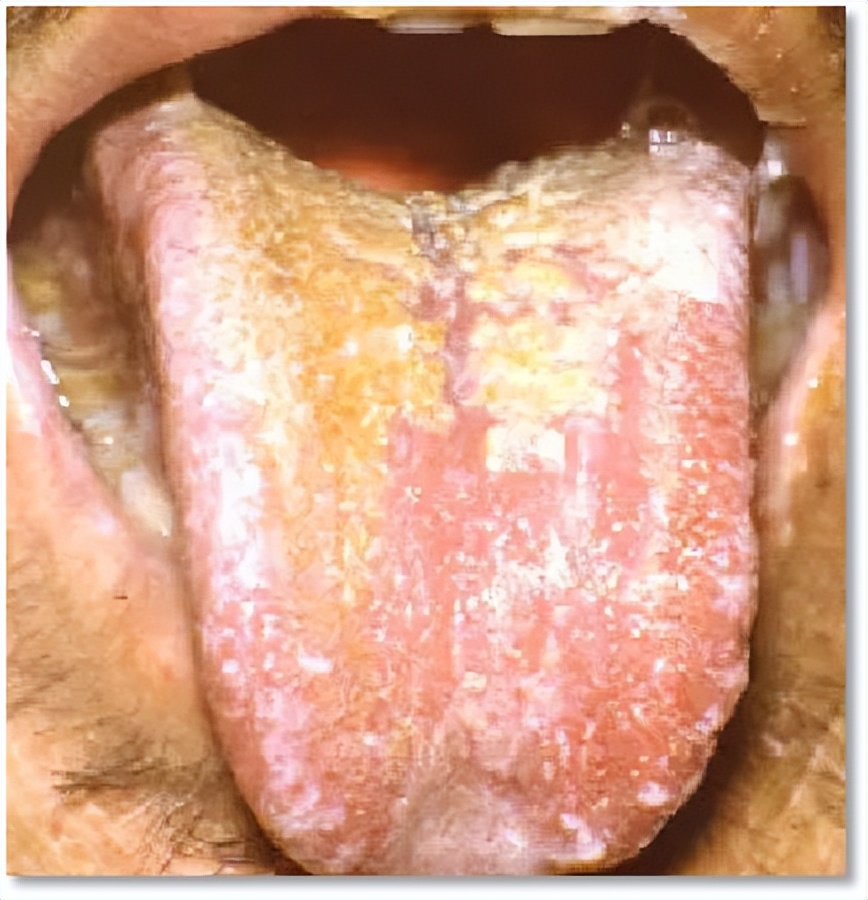
Exfoliative tongue coating: A red tongue with peeled coating often indicates yin deficiency, while a pale tongue with peeled coating usually suggests blood deficiency or deficiency of both qi and blood
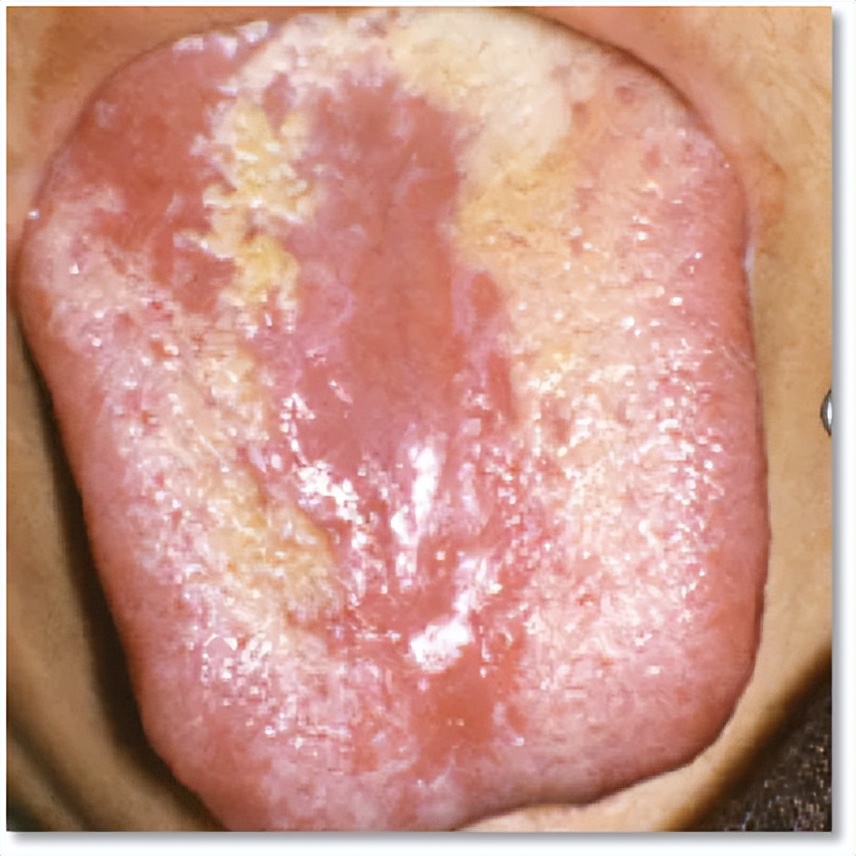
Yellow Tongue Coating: Mainly indicates heat syndrome and interior syndrome. Generally, the yellower the tongue coating, the more severe the heat pathogen. Light yellow coating indicates mild heat, deep yellow indicates severe heat, and scorched yellow suggests heat accumulation.

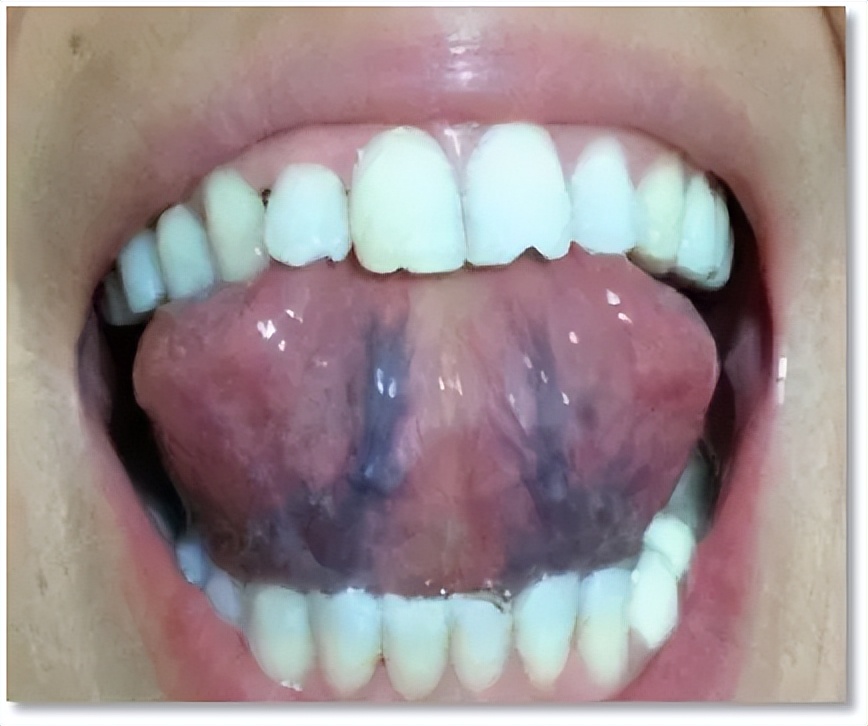
5. Inspection of Sublingual Veins
Normal Tongue Vein: Length does not exceed three-fifths of the distance from the sublingual caruncle to the tongue tip, with a pale purple color
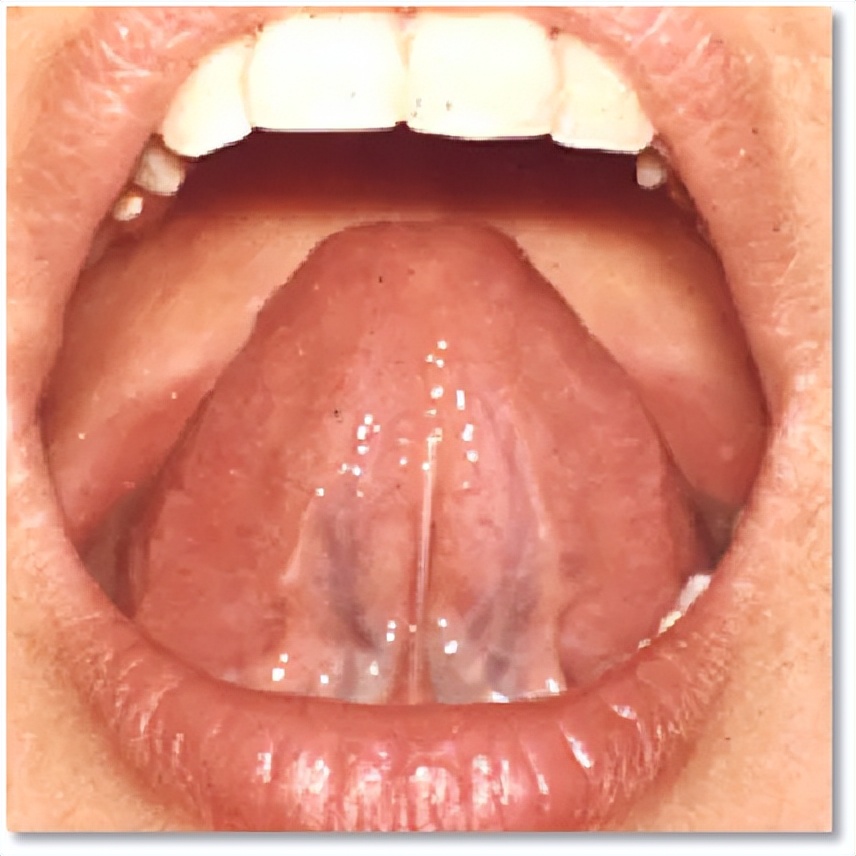
Short and shallow tongue pulse: Insufficient qi and blood
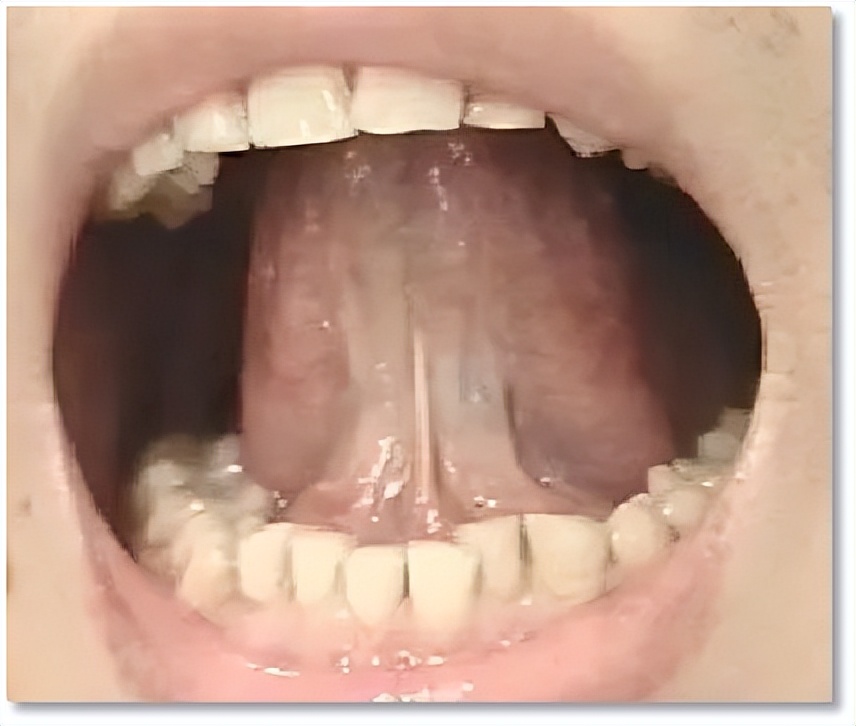
Coarse Taut Tongue Pulse: Internal Stagnation of Blood Stasis