Caution Required for Long-Term Statin Use! Discontinue Statins if These Four Conditions Occur
Statins not only effectively reduce total cholesterol (TC) and low-density lipoprotein (LDL), but also moderately lower triglycerides (TG) while increasing high-density lipoprotein (HDL), making them relatively comprehensive lipid-modifying drugs. Primarily used to reduce cholesterol—especially low-density lipoprotein cholesterol (LDL-C)—and treat atherosclerosis, statins have become the most effective medication for preventing and treating coronary heart disease.

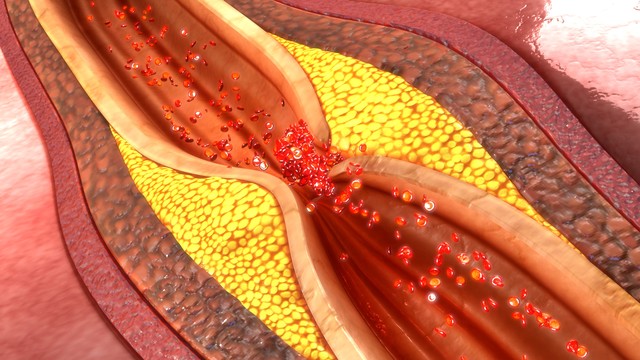
Many patients with hyperlipidemia and atherosclerosis due to coronary heart disease or cerebral/cardiac infarction take statins, such as atorvastatin and rosuvastatin. These drugs are crucial for lipid reduction and plaque stabilization, and many patients require long-term use. However, they often don't know how to assess potential side effects.
However, it can also cause varying degrees of adverse reactions. If patients taking statin medications experience any of these four conditions, they should discontinue statin use.
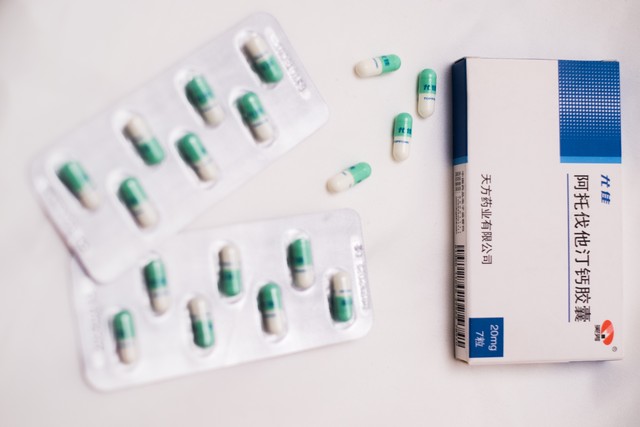
Based on clinical reference to the 2024 version of the lipid management consensus, four situations requiring statin discontinuation have been summarized:
First scenario: During the initial 4 to 8 weeks of statin therapy, lipid levels should be rechecked along with liver function and creatine kinase tests. If serum transaminase levels exceed 3 times the upper limit of normal, administration should be temporarily stopped. Liver function should be regularly monitored until it returns to normal, after which other types of statins or lipid-lowering drugs can be considered. Mild liver enzyme elevation (less than 3 times the upper limit of normal) is not a contraindication for treatment, and patients may continue statin therapy.
Second scenario: Total bilirubin levels should also be monitored during liver function tests. If total bilirubin exceeds twice the upper limit of normal, medication should be discontinued.
Third, monitor creatine kinase levels. If creatine kinase reaches more than 4 times the normal upper limit, statins should be discontinued regardless of whether muscle pain is present.
Fourth, if creatine kinase does not exceed 4 times the upper limit but is accompanied by muscle pain—provided the pain is not caused by sprains or excessive exercise—and is suspected to be drug-induced, statins should also be discontinued.
For patients who are taking statins long-term without adverse effects, it is recommended to check liver function and creatine kinase levels every six months for safety.