One time could be fatal! This mental opium affecting your heart—aren't you planning to quit yet?
Just stay up a little longer—this time truly belongs to me now
Exhausted already
Don't want to sleep yet
Late at night is when you truly belong to yourself
After a whole day occupied with study, work and family responsibilities, some say only in the quiet of late night do they truly belong to themselves.
The favorite game hasn't ranked up yet, the video and shopping apps on the phone remain unopened, and there's still no time to catch up on beloved celebrities and all kinds of gossip...
As time ticks away minute by minute, their tightly wound nerves find relaxation and then become recharged with energy. Even when sleepiness hits around 1 a.m., they stubbornly refuse to put down their phones. Going to bed early feels like "wasting" this completely personal pre-sleep time—something they simply "can't bear to do." Much like a mental opium, this addiction persists despite knowing the harm it causes—and the culprit is none other than their smartphones.
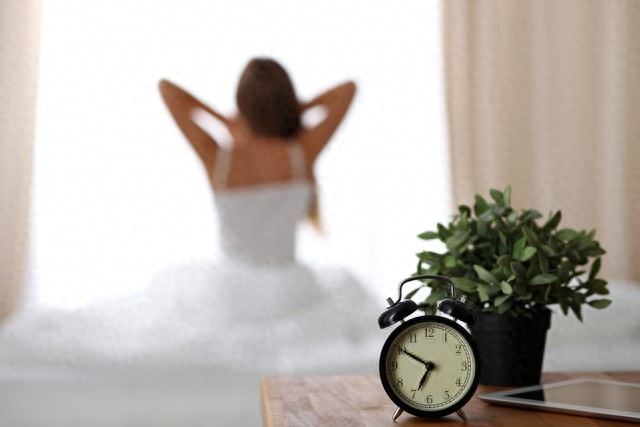
Who isn't aware that staying up late is overwhelmingly harmful to health?
Gen Z jokes: "I heard keeping your phone next to your pillow while sleeping is bad... so I threw the pillow away."
1. Risk of Sudden Death
People who sleep 5 hours or less have a higher risk of mortality.
2. Risks of heart disease and cerebral infarction/stroke
Research shows that chronic night owls tend to exhibit higher stress levels in blood pressure and heart rate regulation, with abnormal adjustments in vascular constriction and immune function.
3. Weight gain
The less sleep you get, the higher your body mass index (BMI). Chronic sleep deprivation can lead to high blood sugar and hyperlipidemia, and disruptions in blood sugar and lipid levels may contribute to obesity.
4. Diabetes
Long-term sleep deficiency may lead to elevated blood sugar levels, thereby increasing the risk of developing diabetes.
The reluctance to fall asleep late at night often hides an injured self. We use these fleeting pleasures to escape inner trauma and pain.
However, the freedom of late nights is not a real "cure"; it only brings more pain and exhaustion, and even increases the risk of sudden death and illness.
But if you have strong self-discipline and can moderately "stay up late" while ensuring your physical health, it might also become a lifestyle of quiet solitude and deep thinking. In that case, the night wasn’t wasted after all.