Coronary Heart Disease in Young Adults: 4 Major Causes - Know Early, Benefit Early
Coronary heart disease (CHD), fully known as "coronary atherosclerotic heart disease," refers to the formation of atherosclerotic plaques in the coronary arteries of the heart. This leads to thrombotic embolism or vascular spasms, causing narrowing or even complete blockage of the arterial lumen. When blood flow becomes obstructed, the heart cannot receive adequate blood perfusion, resulting in myocardial ischemia and hypoxia - thus developing coronary heart disease.
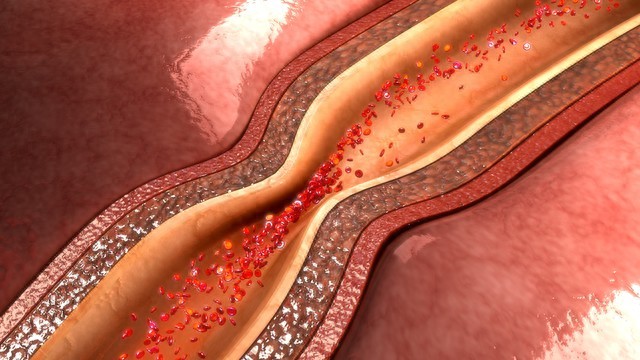
So how can we prevent atherosclerosis? How can we reduce thrombotic embolism? And how can we avoid vascular spasms?
Four preventable factors - the earlier you know, the sooner you can prevent and benefit.
First, reduce consumption of high-fat, high-salt, and high-sugar foods to lower the risk of developing hypertension, hyperlipidemia, and diabetes, thereby minimizing arterial damage and decreasing the probability of coronary heart disease;
Second, smoke less to decrease the deposition of cigarette components like tar on vascular walls that promote lipid accumulation, reduce stimulation of vascular endothelium causing inflammation that facilitates thrombosis formation, and avoid triggering vascular smooth muscle contraction leading to vasospasm - all of which ultimately accelerate vascular stenosis and increase coronary heart disease risk.

Third, engage in more physical activity as prolonged sedentary behavior, working night shifts, and overtime can also elevate the risk of coronary heart disease.
The fourth factor is obesity. The thicker the waist circumference, the more likely one is to develop diabetes, hypertension, and hyperlipidemia, consequently increasing the risk of coronary heart disease.
Some might argue: "I eat and exercise properly, don't smoke or drink - I'm disciplined. Why did I still develop coronary heart disease and have blocked blood vessels?"
There are three unmodifiable factors:
1. Age - Life and death are natural processes. As age increases, various bodily functions decline accordingly. Particularly after menopause, the rapid reduction and disappearance of estrogen in women leads to an increased probability of cardiovascular diseases.
2. Men have a higher risk of developing the disease than women.
3. Individuals with a family history of coronary heart disease face higher risks.
Regardless of age or gender, everyone must reduce unhealthy lifestyle habits to minimize vascular damage. Secondly, those with a strong family history should adopt lifestyle precautions early in life, undergo regular check-ups for blood lipids, blood pressure, and blood sugar, and take early intervention measures to lower the risk of cardiovascular diseases such as coronary heart disease and myocardial infarction.