The "Nourishment" and "Care" of Gastric Ulcers: A Comprehensive Daily Care Guide for You
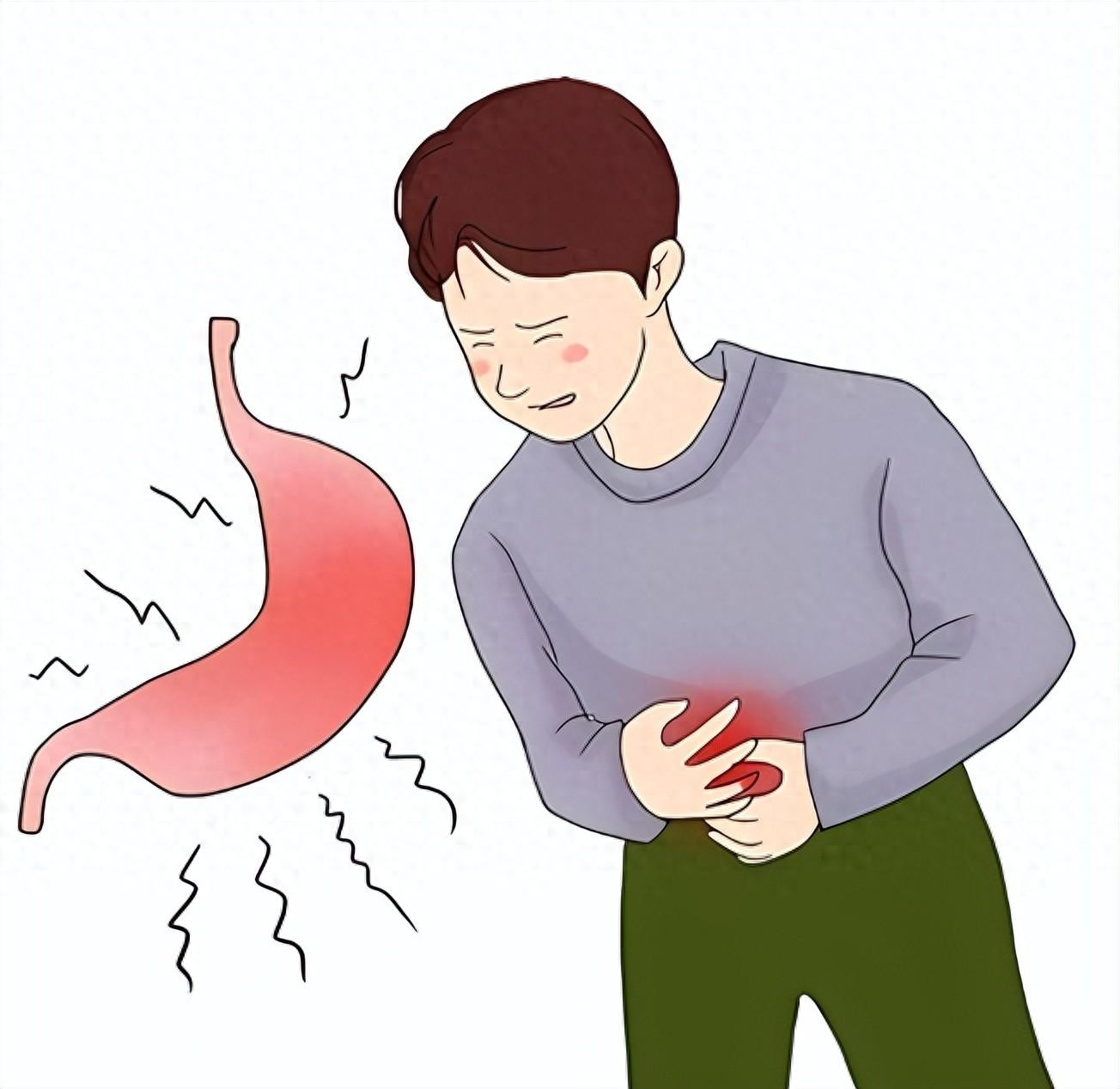
In simple terms, a gastric ulcer is essentially a "pit" formed when the gastric mucosa is "eroded" by its own digestive juices. It not only causes postprandial bloating, burning pain, or acid reflux but, in severe cases, may even lead to bleeding or perforation. Therefore, in treating gastric ulcers, in addition to following medical advice and medication, daily care and restorative practices are equally crucial, with the core principle being "30% treatment, 70% nourishment."
This article will provide a detailed breakdown of key points for daily gastric ulcer care, helping you scientifically "nourish your stomach," promote ulcer healing, and prevent recurrence.
I. Dietary Care: The Gentlest Protection for Your Stomach
Diet is the cornerstone of gastric ulcer management. Follow these principles: regular mealtimes with proper portions, thorough chewing, light and mild foods, and balanced nutrition.
Choose "stomach-friendly" foods:
Easily digestible foods: such as millet porridge, yam, pumpkin, well-cooked noodles, steamed eggs, etc. These soft-textured foods minimize physical irritation to the gastric mucosa.
Protein-rich foods: such as chicken breast, fish, tofu, etc. Protein is the essential "building material" needed to repair the gastric mucosa.
Foods rich in vitamins: Especially vitamin A, C, and E, such as carrots, broccoli, and kiwifruit, help protect mucous membranes and enhance repair capabilities.
Avoid "Dangerous Elements":
Spicy irritants: Chili peppers, Sichuan peppercorns, garlic, etc., can directly irritate ulcer surfaces and exacerbate inflammation.
Overly acidic or sweet foods: Lemons, hawthorns, chocolate, and sweets can stimulate gastric acid secretion, worsening "corrosion."
Cold and hard foods: Iced drinks, raw foods, nuts, fried foods, etc., are difficult to digest and increase the burden on the stomach.
Strong tea and coffee: The caffeine and theophylline they contain significantly promote gastric acid secretion, making them major taboos for ulcer patients.
Gas-producing foods: Such as onions, beans, sweet potatoes, etc., may cause bloating and increase discomfort.
Developing Good Dietary Habits:
Eat Smaller Meals More Frequently: Increase from three meals a day to five or six smaller meals, stopping at 70% fullness each time to prevent excessive gastric antrum expansion and reduce gastric acid secretion.
Chew Thoroughly and Eat Slowly: Chew each bite 20-30 times to allow thorough mixing with saliva for preliminary digestion, thereby reducing gastric burden.
Maintain Moderate Food Temperature: Extremely hot or cold foods can irritate the gastric mucosa. Opt for warm temperatures instead.
2. Lifestyle Modifications: Creating the Optimal Environment for Your Stomach
Strictly Quit Smoking and Limit Alcohol:
Smoking: Nicotine damages gastric mucosal blood circulation, weakens its barrier function, and stimulates gastric acid secretion—making it a significant factor in delayed ulcer healing and recurrence.
Alcohol: Alcohol directly damages the gastric mucosa and may induce acute gastric mucosal lesions or even bleeding in severe cases. Alcohol must be completely avoided during active ulcer periods.
Maintain a regular schedule and avoid staying up late:
Chronic sleep deprivation and stress can lead to autonomic nervous system dysfunction, causing irregular gastric acid secretion and impairing ulcer healing. Ensure adequate sleep to allow the stomach sufficient rest and recovery at night.
Use medications cautiously and follow medical advice:
Nonsteroidal anti-inflammatory drugs (NSAIDs): Such as aspirin and ibuprofen are common medications that can cause gastric ulcers. If you must take them for other conditions, be sure to inform your doctor about your gastric history so they can assess risks or prescribe gastric mucosal protective agents.
Complete the prescribed treatment course as directed: Eradicating Helicobacter pylori requires sufficient dosage and full course medication. Never discontinue medication on your own, as this may lead to treatment failure and bacterial resistance.
III. Emotion and Stress Management: A Good Mood Means a Healthy Stomach
The stomach is often called "the body's second brain" as emotional fluctuations directly affect gastric function.
Maintain a cheerful mood: Find stress-relief methods that suit you, such as listening to music, walking, reading, or chatting with friends.
Avoid excessive anxiety: Excessive worry about your condition can actually hinder recovery. Trust scientific treatment and maintain a positive mindset.
Moderate exercise: Gentle activities like walking, yoga, and tai chi help relieve stress and promote gastrointestinal motility. However, avoid strenuous exercise immediately after meals.
4. Condition monitoring: Be the primary caretaker of your own health
Learn to recognize "warning signs" – timely medical attention is crucial.
Be alert to the following symptoms:
Change in pain pattern: The pain becomes persistent and severe, or its characteristics alter.
Black stools: Tarry, shiny black stools, which are a classic sign of upper gastrointestinal bleeding.
Hematemesis: Vomit resembling coffee grounds or containing fresh blood.
Anemia symptoms: Such as dizziness, fatigue, palpitations, and pallor.
Unexplained weight loss.
If you experience any of the above symptoms, seek medical attention immediately!