Why Does Anal Itching Occur After Hemorrhoid Surgery? Detailed Explanation of Causes and Management
Patients who have undergone hemorrhoid surgery often expect complete relief from discomfort postoperatively. However, as the wounds gradually heal, a new discomfort—anal itching—may unexpectedly occur. This itching varies in intensity and can sometimes become so bothersome that it affects daily activities, leading to concerns: Was the surgery unsuccessful? Or could this be an infection?
First, rest assured that anal itching after hemorrhoid surgery is actually very common clinically, and in most cases, it's a normal part of the wound healing process. Below, we'll provide a detailed explanation of the underlying causes and share scientific approaches to manage it.
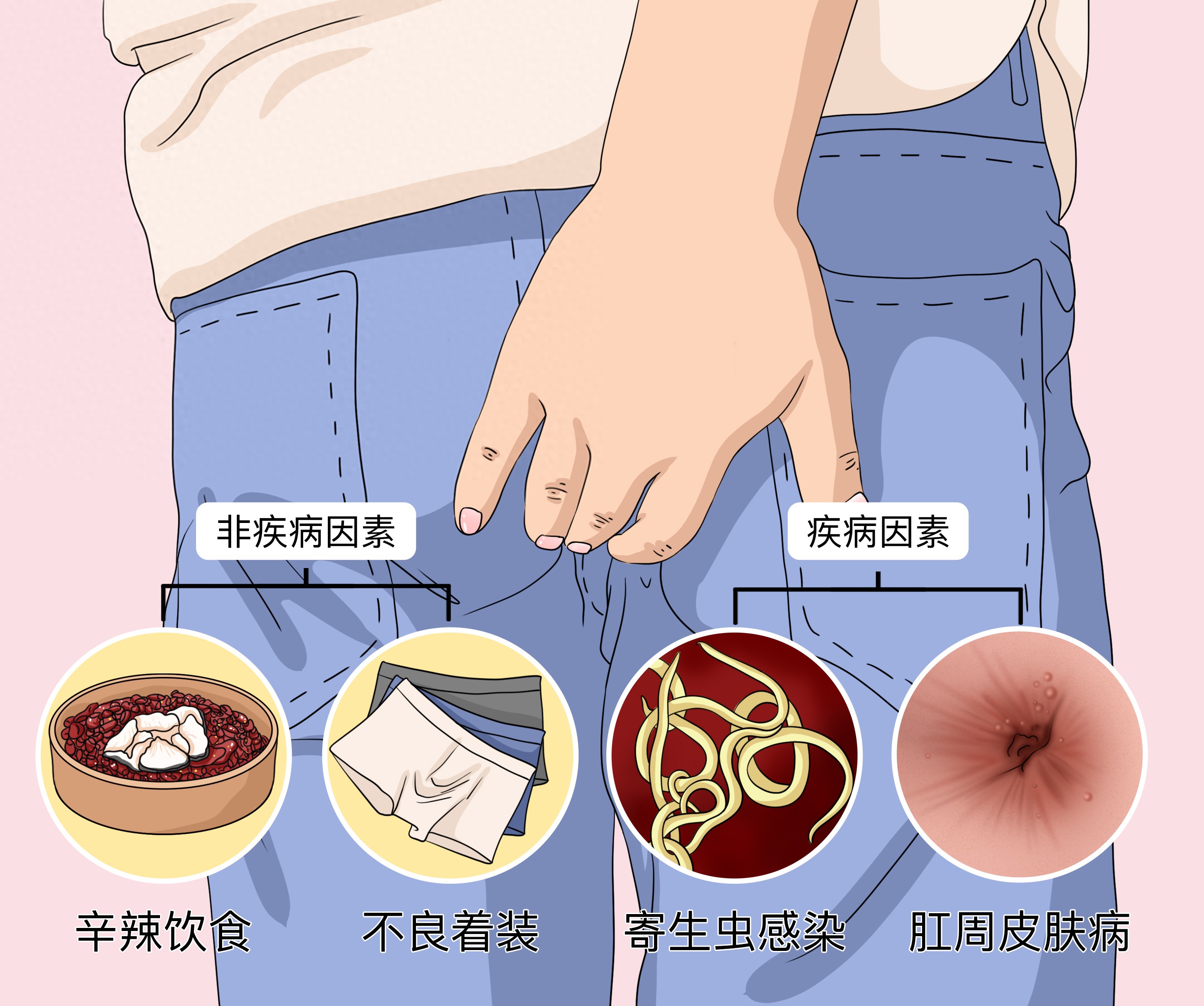
1. Main Reasons: The "Inevitable Process" During Healing
Regeneration and Recovery of Nerve Endings
The surgical procedure itself severs nerve endings in the skin. During the wound healing phase, new nerve endings begin to grow and reconnect, and this process alone can cause itching sensations. This is actually the body sending you a positive signal: "Report - repair work is in progress!" It's similar to the itching sensation we experience when new tissue grows during healing of wounds in other parts of the body.
Stimulation from wound exudate and secretions
During the wound healing process after surgery, tissue fluid, small amounts of blood, or lymphatic fluid may exude. This exudate mixed with sweat and fecal residue, if not promptly cleaned, can continuously irritate the delicate skin around the anus, leading to eczema and itching.
Medication reaction
Post-surgery, doctors typically prescribe certain ointments such as hemorrhoid cream or tissue regeneration cream. While they promote healing and provide pain relief and anti-inflammatory effects, some ingredients may irritate the skin of certain individuals, causing contact dermatitis and resulting in itching.
Irritation from dressing materials or hygiene products
The gauze, sanitary pads, or protective pads used postoperatively, if made of non-breathable materials or if you're allergic to their materials, can also create a locally moist and stuffy skin environment, leading to itching.
II. Causes to Be Cautious About: Possibly Related to Poor Healing
Wound Infection
If itching is accompanied by redness, swelling, heat, pain, increased discharge with an unpleasant odor, you should be alert to the possibility of wound infection. Bacterial growth can trigger severe inflammatory reactions, with itching being one of them.
Fungal infections (such as Candida infection)
The anal area provides a moist and warm environment, making it an ideal "breeding ground" for fungi. Post-surgery, prolonged use of antibiotics (which disrupts the microbiome balance) or improper local hygiene may lead to fungal overgrowth, causing intense itching. The itching is often severe.
Skin eczema or dermatitis
Due to temporary impairment of anal closure function after surgery, small amounts of intestinal fluid may leak out. The intestinal fluid is alkaline and contains digestive enzymes, which are highly irritating to the surrounding skin. This easily leads to "contact dermatitis" or "eczema," characterized by skin redness, papules, and intense itching.
Residual Anal Sinus or Early Manifestation of Anal Fistula
This is a relatively rare condition that requires professional differentiation. If the inflamed anal sinus is not completely treated during surgery, or if new, tiny anal fistulas form postoperatively, their secretions can also irritate the perianal skin, leading to itching.
III. What Should I Do? Scientific Itch Relief and Care Guide
When facing itching, avoid scratching with your hands! Scratching can damage newly formed skin mucosa, leading to infection and even delaying healing, creating a vicious cycle of "the more you scratch, the more it itches, and the more it itches, the more you scratch."
Here are the correct coping strategies:
Maintain Cleanliness and Dryness—The Core Principle
Proper sitz baths: Follow your doctor's instructions and use warm water or a potassium permanganate solution (ensure the concentration is appropriate, ideally a light pink color) for sitz baths. Perform 2-3 times a day for 10-15 minutes each session. Sitz baths not only cleanse but also promote local blood circulation and relieve itching.
Gentle cleansing: After each bowel movement, it is recommended to rinse with warm water, avoiding vigorous wiping with rough toilet paper. After rinsing, gently pat the area dry with a soft cotton cloth or tissue.
Keep the area dry: After cleaning, you can use the cool air setting of a hair dryer at a distance to thoroughly dry the area.
Adjusting diet and lifestyle habits
Maintain a light diet: Avoid spicy and irritating foods (such as chili peppers, alcohol, seafood, etc.) as well as excessive caffeine intake, as these may worsen itching.
Ensure regular bowel movements: Drink plenty of water and consume foods rich in dietary fiber (such as vegetables, fruits, and whole grains) to prevent constipation. Hard stools can irritate the wound, and straining during bowel movements increases local pressure, hindering recovery.
Choose comfortable clothing and supplies
Wear loose, breathable cotton underwear and avoid tight pants.
If sanitary pads are needed, be sure to choose soft, cotton-like, and fragrance-free varieties, and change them frequently.
Use medications as prescribed by your doctor, and never self-medicate.
If the doctor diagnoses eczema or dermatitis, they may prescribe a mild steroid ointment to reduce inflammation and relieve itching.
If it is a fungal infection, antifungal ointment should be used.
Do not purchase strong "hemorrhoid creams" or "anti-itch creams" on your own, as they may contain irritating ingredients that could have the opposite effect.
When should you seek medical attention?
If any of the following conditions occur, please return to the hospital for follow-up promptly:
The itching persists and intensifies, becoming unbearable.
Accompanied by obvious redness, swelling, pain, purulent discharge, or fever.
No improvement after one week of self-care.
New masses or abnormal channels are found in the perianal area.
In summary, post-hemorrhoidectomy anal itching is mostly a predictable physiological phenomenon. Through proper care and healthy lifestyle habits, most cases can resolve on their own. The key lies in maintaining cleanliness and dryness, avoiding irritants, following a reasonable diet, and seeking professional medical help when necessary.