Don't Take Constipation Lightly! Chronic Bowel Difficulties: These Warning Signs Your Body Is Sending You
When discussing health, one seemingly ordinary yet crucial topic is often overlooked—bowel movements. Occasional constipation is something many people experience, but if you've been dealing with "difficulty passing stools, reduced frequency, and hard, dry feces" over a long period (typically more than three months), it can't simply be blamed on "internal heat" or "poor diet." This could be an important alarm from your body.
Chronic constipation isn't just about "discomfort"—it may hide more serious underlying issues, and could even be a sign of certain diseases. Today, let's delve into what those with long-term constipation need to be vigilant about.

1. Beware of the "Hidden Killer" Behind: Organic Diseases
Chronic constipation first requires ruling out organic diseases, which involve structural abnormalities in the body's organs. These conditions demand prompt diagnosis and treatment and should never be taken lightly.
Colorectal Cancer
This is the most critical risk to watch for. Tumors growing within the intestinal lumen directly cause narrowing of the bowel, resulting in mechanical obstruction that makes stool passage difficult. If the following "warning signs" appear, seek immediate medical attention:
Sudden worsening or persistent constipation without improvement.
Stool becomes thin, flat, or has fixed grooves.
Blood in stool, or dark red/black colored stools.
Accompanied by unexplained weight loss, anemia, or persistent abdominal pain.
Tenesmus (frequent urge to defecate with incomplete bowel emptying).
Endocrine and metabolic disorders
Hypothyroidism: Insufficient secretion of thyroid hormones slows down the body's metabolism, which in turn weakens intestinal peristalsis and is one of the common causes of constipation.
Diabetes: Chronic hyperglycemia can damage the nerves that control the gastrointestinal tract (diabetic neuropathy), leading to "gastroparesis" and "intestinal paralysis," resulting in stubborn constipation.
Hypercalcemia: Excessive blood calcium levels can inhibit neuromuscular excitability, causing intestinal smooth muscle weakness and leading to constipation.
Neurological disorders
Parkinson's disease: The disease itself affects the autonomic nervous system, and intestinal dysfunction is often one of the early symptoms.
Multiple sclerosis and spinal cord injuries can also affect the neural pathways controlling intestinal peristalsis.
Structural Issues of the Intestine Itself
Conditions such as intestinal obstruction, intestinal adhesions, and Hirschsprung's disease can physically block the normal passage of stool.
II. Be Wary of the "Secondary Disasters" Caused by Constipation: Complications
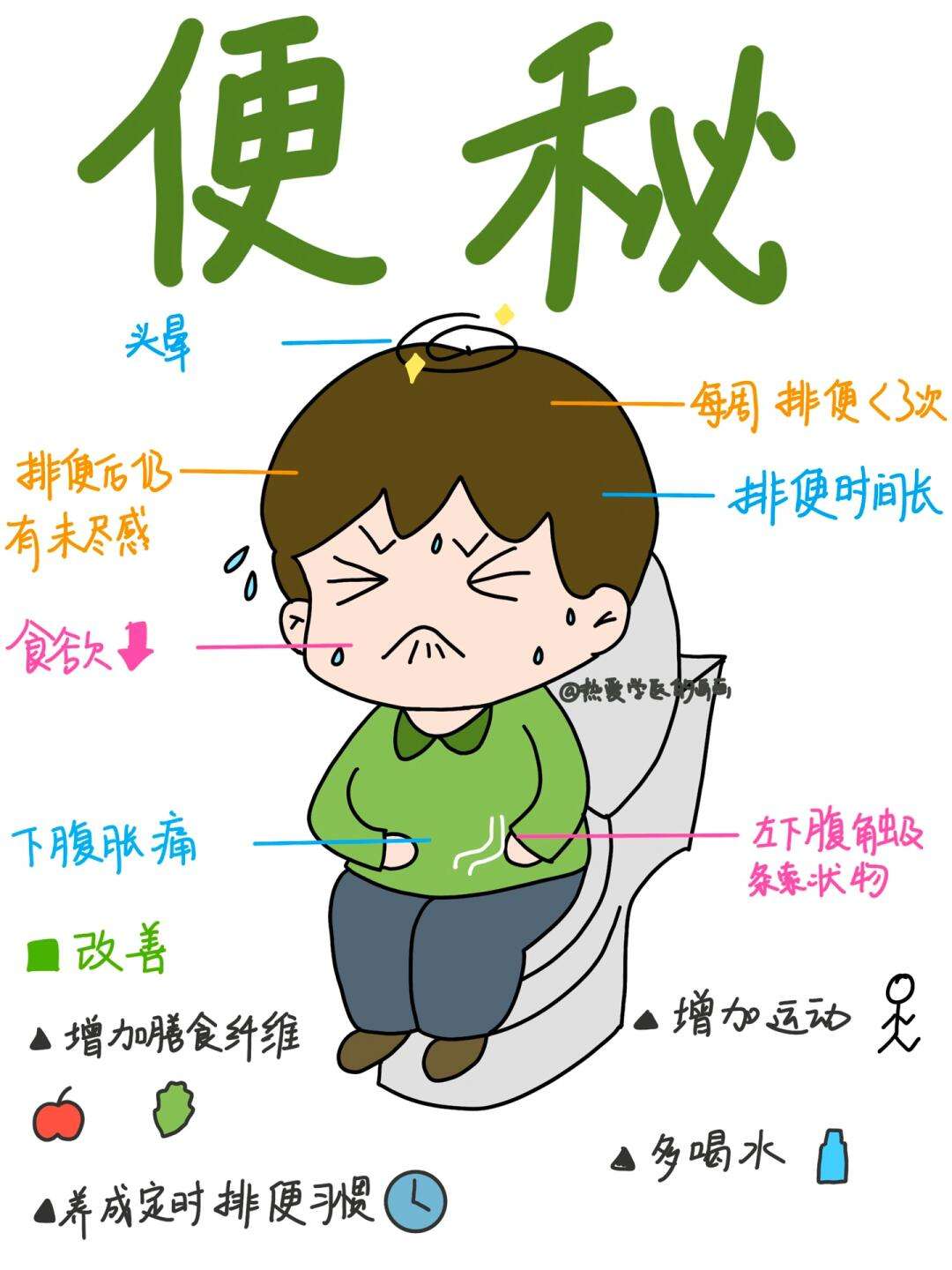
Chronic constipation itself can lead to a series of cascading health damages, even when serious diseases have been temporarily ruled out.
Anorectal diseases
Hemorrhoids and anal fissures: Hard, dry stools exert excessive pressure on the anal cushions during defecation, leading to venous engorgement and formation of hemorrhoids. Simultaneously, they can easily lacerate the anal canal skin, causing tears—known as anal fissures—which result in severe pain and bloody stools. The pain then creates a fear of defecation in patients, forming a vicious cycle.
Psychological issues
Anxiety and depression: Chronic bowel movement difficulties can significantly impact quality of life and create substantial mental stress. This anxiety can further affect intestinal function through the "brain-gut axis," exacerbating constipation.
Cardiovascular and cerebrovascular accidents
For elderly individuals with preexisting cardiovascular and cerebrovascular diseases such as hypertension and coronary heart disease, excessive straining during bowel movements can cause a sharp increase in intra-abdominal pressure and blood pressure, which may easily trigger life-threatening risks like myocardial infarction and cerebral hemorrhage.
Intestinal dysfunction and organic changes
Melanosis coli: Long-term abuse of stimulant laxatives (such as those containing anthraquinone compounds like senna leaves, aloe, or rhubarb) may lead to pigment deposition in the colonic mucosa, causing the intestinal wall to blacken. While its relationship with cancer remains controversial, it is undoubtedly a marker of unhealthy intestines.
Fecal Impaction and Intestinal Obstruction: In the most severe cases, dry and hard stools solidify into hard "stones" within the intestines, completely blocking the intestinal lumen, leading to severe abdominal pain and vomiting, and requiring emergency medical intervention.
3. Beware of the "Invisible Pushers" in Daily Life: Poor Habits
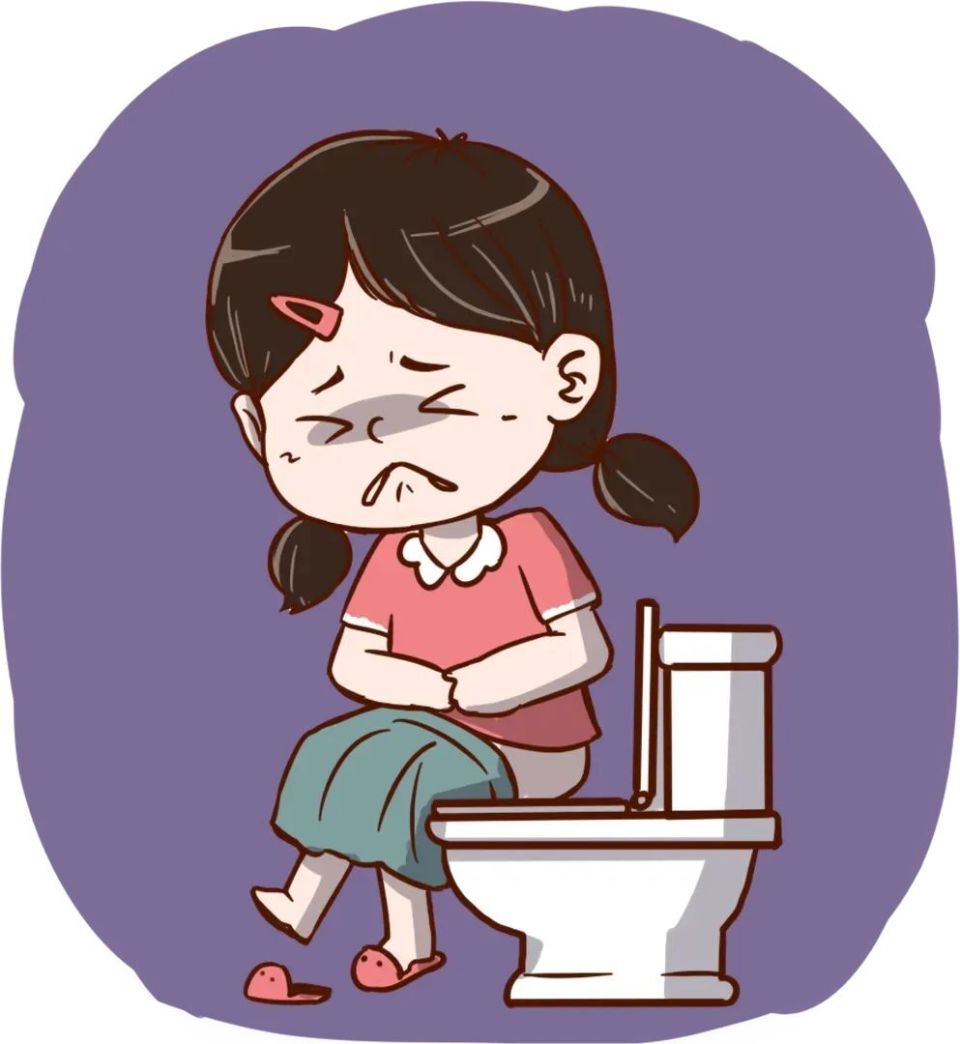
Often, chronic constipation is the result of long-term poor lifestyle habits. Examining and changing these habits is fundamental to solving the problem.
Too "refined" diet: Insufficient dietary fiber intake cannot effectively retain water and stimulate intestinal peristalsis.
Inadequate water intake: When the body is dehydrated, the intestines actively reabsorb water from stool, making it dry and hard.
Sedentary lifestyle: Lack of exercise leads to weakened abdominal and intestinal muscles, reducing peristaltic ability.
Habitual stool withholding: Repeatedly ignoring the urge to defecate gradually decreases rectal sensitivity to fecal stimuli.
Abuse of laxatives: Leads to drug dependence, causing loss of natural bowel motility, making bowel movements impossible without medication.
What should you do?
Seek medical attention promptly for accurate diagnosis:
If constipation persists for more than 3 weeks, or if any of the aforementioned "warning signs" appear, be sure to visit a gastroenterologist.
The doctor may recommend examinations such as colonoscopy, abdominal CT, thyroid function tests, blood glucose tests, etc., to rule out organic diseases.
Lifestyle modifications - the fundamental solution:
Increase dietary fiber: Eat more whole grains (oats, brown rice), legumes, fresh vegetables (celery, spinach, broccoli), and fruits (dragon fruit, kiwi, apples with skin).
Ensure adequate hydration: Drink at least 1.5-2 liters of water daily to soften stools.
Regular exercise: At least 150 minutes of moderate-intensity exercise per week, such as brisk walking, jogging, or swimming, can effectively promote intestinal peristalsis.
Establish a bowel habit: Try to have a bowel movement at a fixed time every day (such as after waking up in the morning), even if there is no urge to go, sit for a while to form a conditioned reflex.
Do not suppress the urge to defecate: When you feel the need, go to the toilet as soon as possible.
Use medications scientifically and follow medical advice:
If medication is needed for assistance, osmotic laxatives (such as lactulose or polyethylene glycol) or bulk-forming laxatives (such as psyllium husk) should be chosen under a doctor's guidance, as they are relatively mild and safe. Avoid long-term self-use of stimulant laxatives.
In summary:
Chronic constipation is far from a trivial matter. It can serve as both a "warning signal" for serious illnesses and a "slow poison" undermining your health. Please give it the attention it deserves by staying vigilant against related diseases and proactively adjusting your lifestyle to listen to your body's signals. When bowel movements are no longer a "struggle," your entire body will experience unprecedented relief and wellness.