Title: Why Does Your "Backside" Have Sudden Awkward Spasms? Uncovering the N Truths About Anal Cramps!
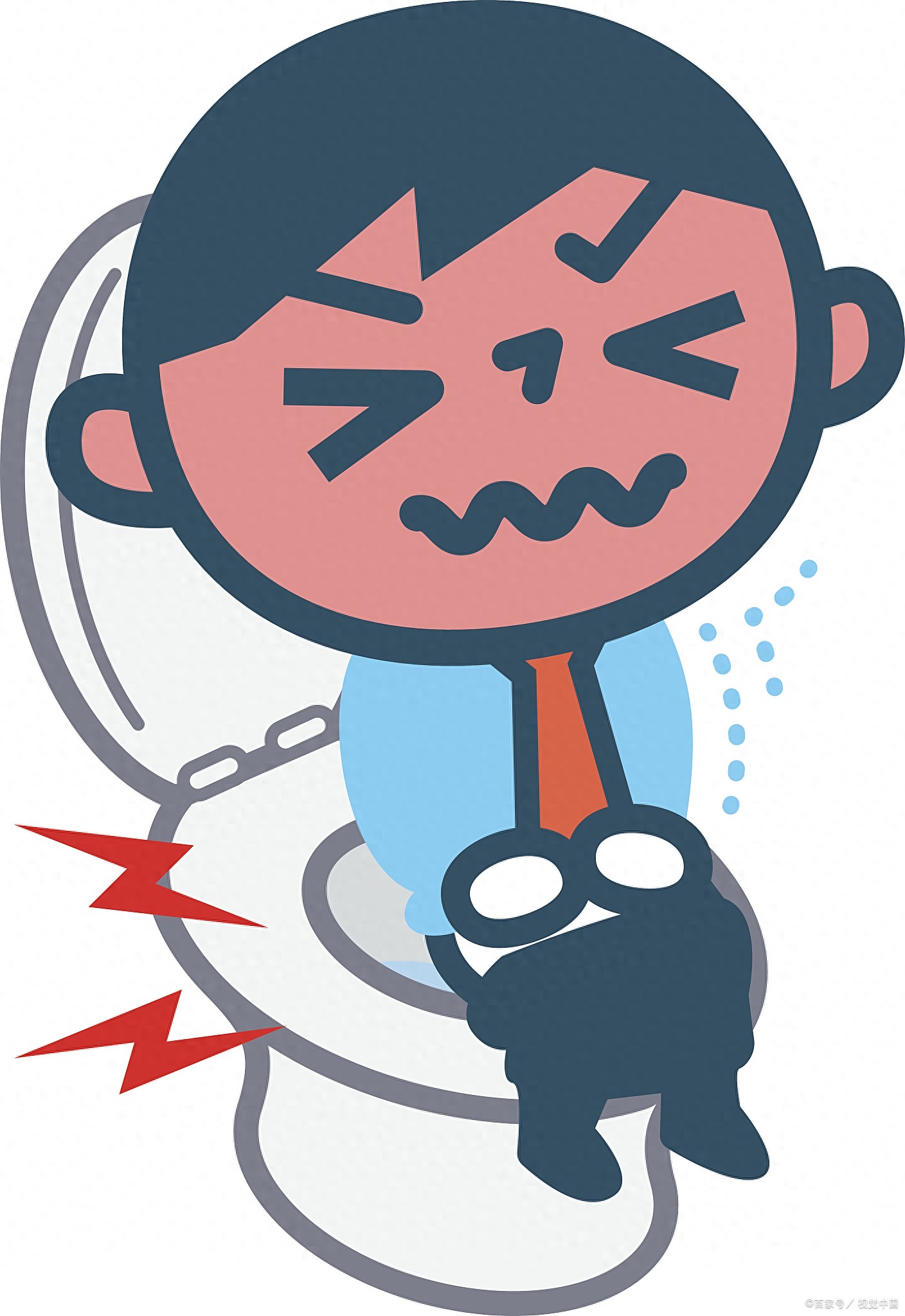
Have you ever experienced such an awkward moment: sitting or lying quietly when suddenly an indescribable cramping pain strikes your anus, as if a tiny motor were humming inside, or an invisible hand tightly clenched it? The pain arrives abruptly and fades unpredictably, leaving you restless.
Don't worry, you're not alone! This "anal cramping" has a formal medical name—levator ani syndrome, commonly known as "anal spasm." Though undignified, it's incredibly common. Today, we’ll peel back the veil of mystery to understand what really causes this "ruckus."
Act One: Who's the "Mastermind"? (Common Causes)
The muscles in the anal region, particularly the "levator ani," are a group of remarkably diligent "sphincter employees." Under normal circumstances, they work silently to maintain the rhythm of opening and closing. However, when they "throw a tantrum," spasms occur.
1. Muscles' "Overtired Protest"
This is the most common cause. Imagine if you keep the same muscle tense and working continuously—what would happen?
Prolonged sitting or standing: Office workers and drivers are high-risk groups. Prolonged pressure on the perianal area leads to poor blood circulation and muscle fatigue, making them prone to "striking" spasms.
Poor bowel habits: Spending too much time on the toilet (such as being absorbed in phone use) or excessive straining can overwork the perianal muscles, leading to spasms.
Intense exercise or improper posture: Sudden anal lifting, weightlifting, or other core-intensive movements may strain or irritate the pelvic floor muscles.
2. The "wrong signals" from nerves
Our brains and nerves can sometimes be "mischievous."
Stress and anxiety: This is a very important factor! When you're chronically tense or anxious, your nervous system remains in a heightened state of alert, prone to sending "wrong commands" to your muscles, causing involuntary contractions. You could say your emotional stress is being carried by your backside.
Gut-related triggers: Diarrhea, constipation, or irritable bowel syndrome (IBS) can cause frequent, intense intestinal movements. This stimulation sometimes "spreads" to their neighbor—the anal sphincter—triggering a chain reaction.
3. Minor local injuries or discomfort
Mild perianal conditions, even without noticeable symptoms, can potentially trigger the issue.
Hidden anal fissures: Microscopic tears caused during bowel movements may not cause persistent sharp pain but are sufficient to irritate muscles into protective spasms.
Internal hemorrhoids: Swelling from internal hemorrhoids creates a foreign body sensation, prompting the body to contract muscles in an attempt to "expel" it, thus triggering spasms.
Act Two: How to Soothe Your "Restless Bloom"? (Emergency Relief & Prevention)
When sudden spasms strike or to prevent them from occurring, here's what you can do:
Emergency Relief Guide (During an Episode):
Heat therapy rules: Apply a warm water bottle or heating pad (wrapped in a towel) to the tailbone and anal area. The warmth can effectively relax tense muscles with immediate results.
Warm sitz bath: Prepare a basin of warm water around 40°C and soak your entire buttocks for 10-15 minutes. This is the "gold standard therapy" for relaxing pelvic floor muscles.
Take deep breaths to relax: Consciously perform long, slow diaphragmatic breathing. Inhale while expanding your abdomen, and exhale while contracting it. This helps relax the entire body, including the pelvic floor muscles, relieving tension.
Long-term Stabilization Strategy (Prevention):
Avoid prolonged sitting: Stand up and move around for 5 minutes every 45-60 minutes. Using a donut cushion (hemorrhoid pillow) can effectively reduce local pressure.
Manage emotions: Find stress-relief methods that work for you, such as walking, listening to music, meditation, or yoga. Remember - a relaxed mind leads to relaxed "backdoor muscles."
Healthy diet: Increase dietary fiber intake (vegetables, fruits, whole grains) and drink plenty of water to maintain soft, smooth bowel movements and avoid "arduous battles" during defecation.
Gentle cleaning: After bowel movements, use warm water for cleaning instead of rough toilet paper wiping to reduce irritation to sensitive skin.
Act 3: When to "Call for Backup"? (Warning Signs for Medical Attention)
While most anal spasms are benign, if you experience the following "danger signs," be sure to visit a doctor (proctology department) promptly:
Persistent pain that worsens over time, affecting daily life and sleep.
Accompanied by bloody stools (especially dark red in color or in large quantities).
Palpable lumps or hard nodules, or accompanied by purulent discharge.
Accompanied by systemic symptoms such as fever and unexplained weight loss.
To summarize:
Recurrent anal spasms are mostly caused by muscles and nerves "acting up." Like a calf cramp, they can be uncomfortable but are usually harmless. By improving lifestyle habits and learning to relax, most people can coexist peacefully with this condition.