The Silent Alarm: What Might Be Hiding Behind Painless, Itchless Blood in Stool?
When we notice blood in stool accompanied by anal pain, we typically think of hemorrhoids or anal fissures immediately and seek medical attention promptly. However, there's a more "insidious" and dangerous condition - painless rectal bleeding. Because it causes neither pain nor itching, many people tend to underestimate it, mistakenly attributing it to "internal heat" or minor issues, potentially delaying diagnosis of serious diseases.
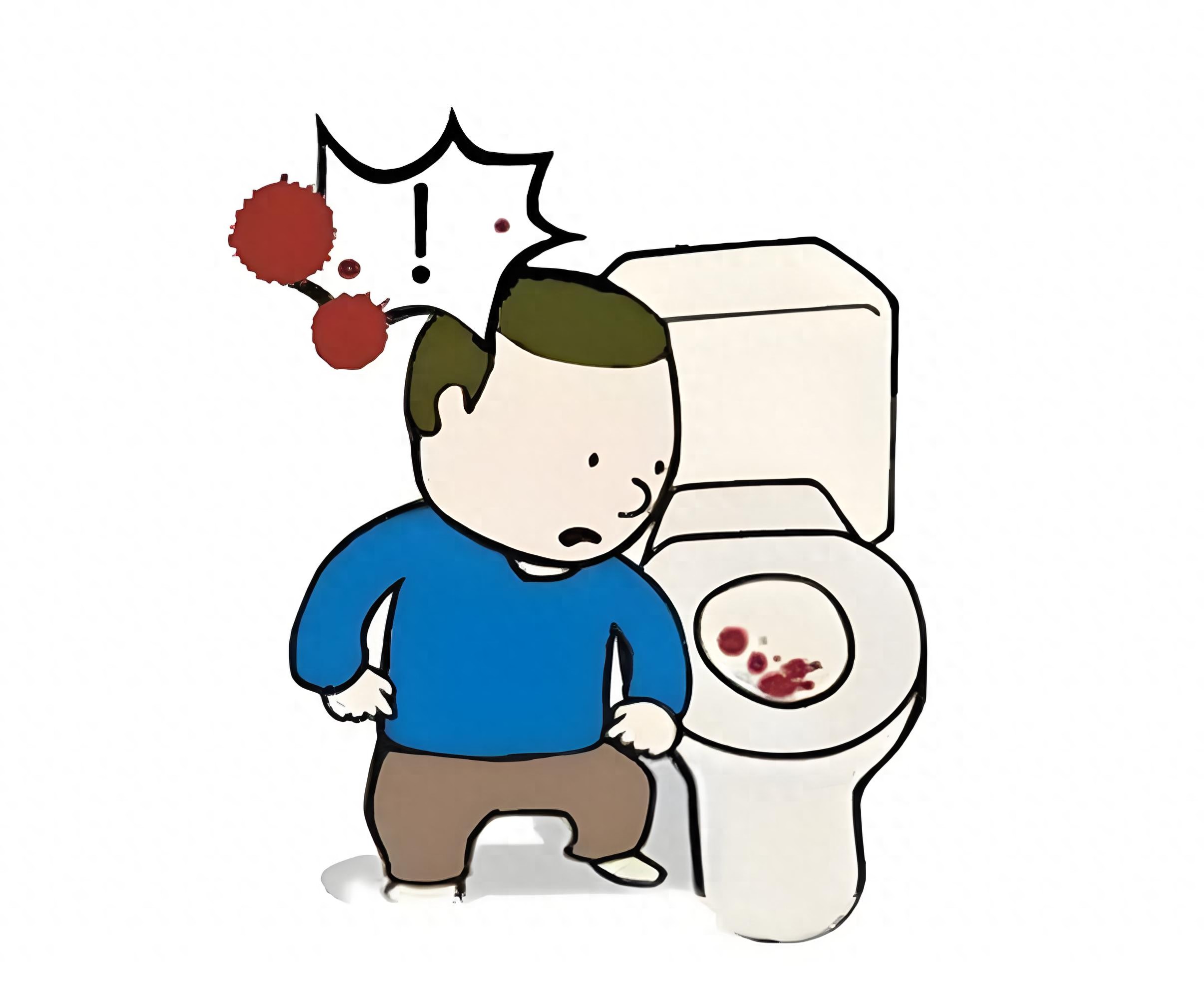
Why is painless rectal bleeding more cause for concern?
Pain is the body's alarm signal. When blood appears in stool without pain, this alarm is "silenced," making people prone to complacency. However, clinically, painless hematochezia is often one of the early typical symptoms of many gastrointestinal diseases, particularly colorectal cancer.
Several potential issues indicated by painless bloody stool
The color, form of the blood, and its relationship with stool provide crucial clues for determining the source of bleeding.
1. Internal hemorrhoids—the most common cause
Classic presentation: Bleeding during or after defecation, with bright red blood typically dripping or spurting out, blood on toilet paper, and blood not mixed with stool.
Why painless: Internal hemorrhoids are located above the dentate line and are innervated by visceral nerves, making them less sensitive to pain. They only become painful when prolapsed, incarcerated, or thrombosed.
Severity: Although common and mostly benign, prolonged bleeding can lead to anemia and affect quality of life, requiring prompt treatment.
2. Colorectal polyps
Typical presentation: Polyps are abnormal growths of tissue on the intestinal wall. When stool rubs against their surface, it may cause bleeding, which is usually bright red or dark red, either mixed with stool or not.
Why No Pain: Small polyps often cause no symptoms, no pain or itching, and bleeding may also be intermittent.
Severity: This is a situation that requires high attention! Particularly adenomatous polyps, which are considered the "precursors" of colorectal cancer. Painless rectal bleeding may be the only warning signal from polyps.
3. Colorectal cancer—the most critical cause to be wary of

Typical manifestations: Early cancer may only present as occult blood in stool (invisible to the naked eye, detectable only through laboratory tests). As the tumor grows and ulcerates, bleeding may appear as:
Dark red or jam-colored bloody stool, often mixed with feces.
Changes in bowel habits (such as constipation, diarrhea, or alternating between both).
Thinning or flattening of stool (resembling a pencil).
Tenesmus (the feeling of needing to defecate despite having an empty rectum).
Later symptoms may include abdominal pain, weight loss, anemia, etc.
Why no pain: When early-stage tumors are confined to the mucosal layer, they typically don't cause pain.
Severity: Colorectal cancer is a common malignant tumor, but early detection leads to an extremely high cure rate. Painless rectal bleeding is one of its most important early warning signs.
4. Colonic Diverticular Bleeding
Typical Manifestation: Diverticula are small pouches that bulge outward from weak spots in the intestinal wall. When inflamed or when blood vessels rupture, they may suddenly cause significant painless rectal bleeding, often appearing bright red or dark red in color.
Why Painless: The bleeding itself may not be accompanied by the typical abdominal pain of diverticulitis.
Severity: Significant bleeding can be life-threatening and requires emergency medical attention.
5. Angiodysplasia
Typical presentation: Commonly seen in elderly individuals, caused by vascular malformation and dilation in the intestinal submucosa. The bleeding is typically intermittent, painless, and may range from minor to severe.
Why no pain: Vascular rupture itself does not cause pain.
Severity: May lead to chronic anemia or acute massive hemorrhage.
What should I do when experiencing painless bloody stools?
Keep in mind the following action guidelines:
Seek medical attention immediately—do not attempt self-diagnosis!
Schedule an appointment with gastroenterology or proctology. This is the most crucial step.
Observe carefully and provide your doctor with accurate descriptions.
Color of the blood: bright red, dark red, or tar-like?
Amount of blood: Drops, spurting, or blood on toilet paper?
Relationship with stool: Coating the surface, mixed within, or dripping after defecation?
Associated symptoms: Any changes in bowel habits or stool consistency? Presence of abdominal pain, weight loss, or other symptoms?
Undergo Necessary Examinations
Digital Rectal Examination: The simplest, most fundamental yet critically important examination that can detect approximately 70% of rectal cancers.
Colonoscopy: This is the "gold standard" for diagnosing colorectal diseases. Doctors can directly observe the entire colon's condition through a flexible tube with a camera and simultaneously perform biopsies or polyp removals. Colonoscopy is particularly important for individuals aged 40 and above, or those with a family history or long-term unexplained rectal bleeding.
Summary
Painless rectal bleeding is never a minor matter. It could just be a benign case of internal hemorrhoids, but it could also be an early distress signal from colorectal cancer. The very absence of pain makes it something we must not ignore.
Key Information:
Any form of rectal bleeding, regardless of whether it's painful or not, should be considered a signal requiring medical evaluation.
Do not avoid examination due to fear or embarrassment.
Early detection, early diagnosis, and early treatment are the keys to overcoming diseases, especially cancer.