Why Is Post-Anal Surgery Pain Particularly Severe?
Hello everyone, today let's discuss why postoperative anal pain feels exceptionally intense. Multiple factors are actually at play here, and we'll break them down step by step, from anatomical structure and inflammatory responses to surgical details and psychological factors.
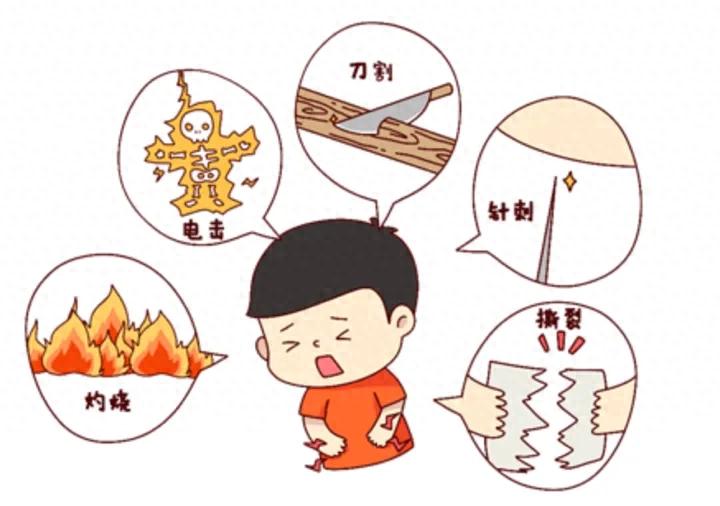
First, let's start with anatomy: the nerve distribution in the anal region is unique. The anal canal below the dentate line is innervated by spinal nerves, which are extremely sensitive to pain – think of them as equipped with a "high-powered magnifying glass." Surgical stimulation not only directly triggers intense pain signals but also easily "provokes" the anal sphincter into spasms. These spasms disrupt local blood circulation, creating a vicious cycle of "pain-spasm-ischemia" that continuously escalates the pain sensation.

In addition to the unique anatomical structure, postoperative pain is also closely related to the inflammatory response. Surgical trauma activates immune cells in the body, such as mast cells and macrophages, which release "pain-inducing factors" like bradykinin, substance P, and histamine. These substances act like a group of "troublemakers"—not only do they directly stimulate nerve endings to transmit pain signals, but they also make the nerve receptors hypersensitive, causing even mild stimuli to be interpreted as severe pain. Medically, this is called "hyperalgesia," which is the core reason for persistent postoperative pain.
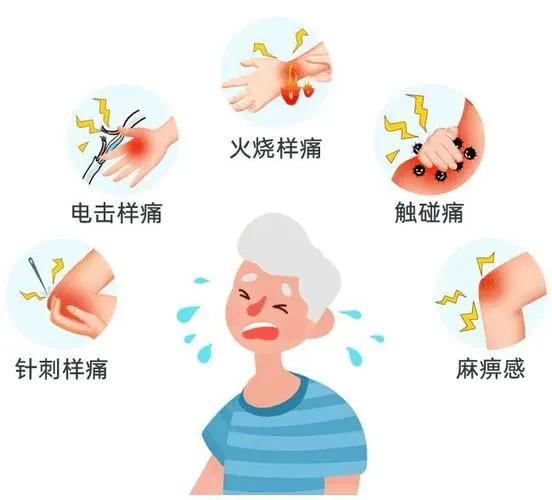
Furthermore, certain details during the surgical procedure can also affect the degree of pain. For example, poor drainage at the incision site can lead to localized edema, excessive tension during suturing may persistently stretch the wound, and excessive postoperative packing can cause a foreign body sensation. These physical stimuli directly intensify the pain. More importantly, if postoperative scar hyperplasia compresses nerve endings or if complications such as infection occur, the pain may worsen further.

Lastly, we cannot overlook the impact of psychological factors on pain: preoperative fear can trigger nerve reflexes that cause the anal canal to contract, resulting in tearing-like severe pain during bowel movements. Additionally, common post-anesthesia complications such as dysuria and urinary retention can further aggravate the condition by transmitting nerve signals that "add fuel to the fire," inducing sphincter spasms and intensifying pain.

In summary, post-anal surgery pain results from a combination of neuroanatomical characteristics, inflammatory responses, surgical details, and psychological factors. However, there's no need for anxiety, as modern medicine offers a comprehensive approach—ranging from precise anesthesia and analgesic medications to physical therapy and psychological counseling. By actively cooperating with doctors in wound care, maintaining smooth bowel movements, and adjusting one's mindset, patients can effectively alleviate pain and accelerate recovery. For any specific concerns, remember to promptly communicate with the surgeon to develop a personalized pain management plan.