Why Does Wound Healing Take Longer After Anorectal Surgery?
Many patients who undergo anal surgery notice that compared to wounds in other parts of the body, post-operative anal wounds often have a more prolonged recovery process. This phenomenon is closely related to the unique anatomical structure, physiological functions, local environment, and tissue repair characteristics of the anal region. From a pathophysiological perspective, there are several main reasons for this.
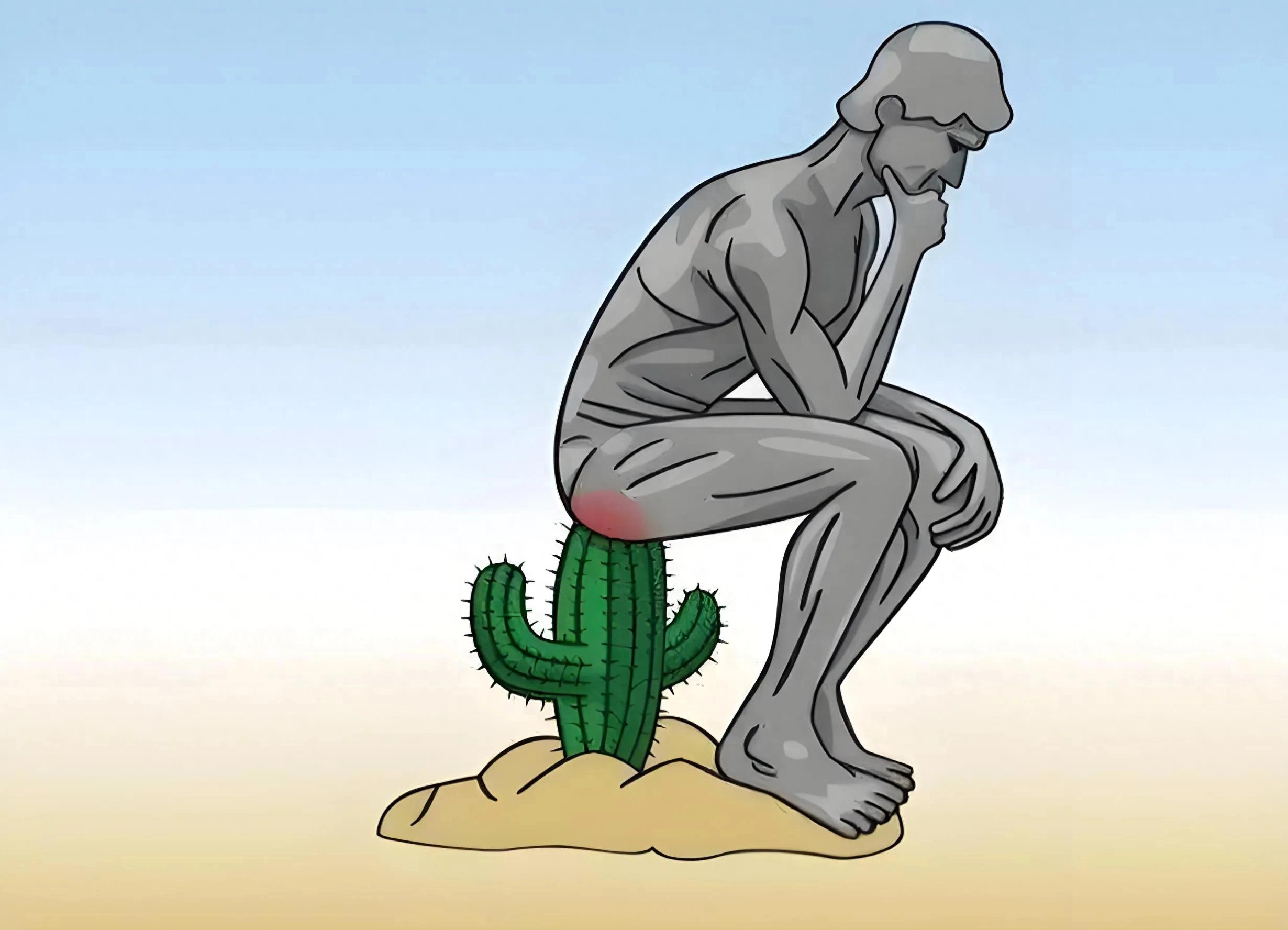
Why Do Anal Surgery Wounds Heal Slowly?
1. Continuous Disruption from Dynamic Muscle Environment
The anal region contains sphincter muscle groups responsible for bowel control, which require frequent contraction and relaxation. Postoperative wounds are precisely located within these dynamic muscle tissues. Every bowel movement causes muscular activity that continuously pulls on the wound, disrupting the stable growth of new tissue. Much like repeatedly stretching healing skin, this disrupts the orderly arrangement of repair cells, preventing the formation of a stable healing environment and naturally requiring extended recovery time.
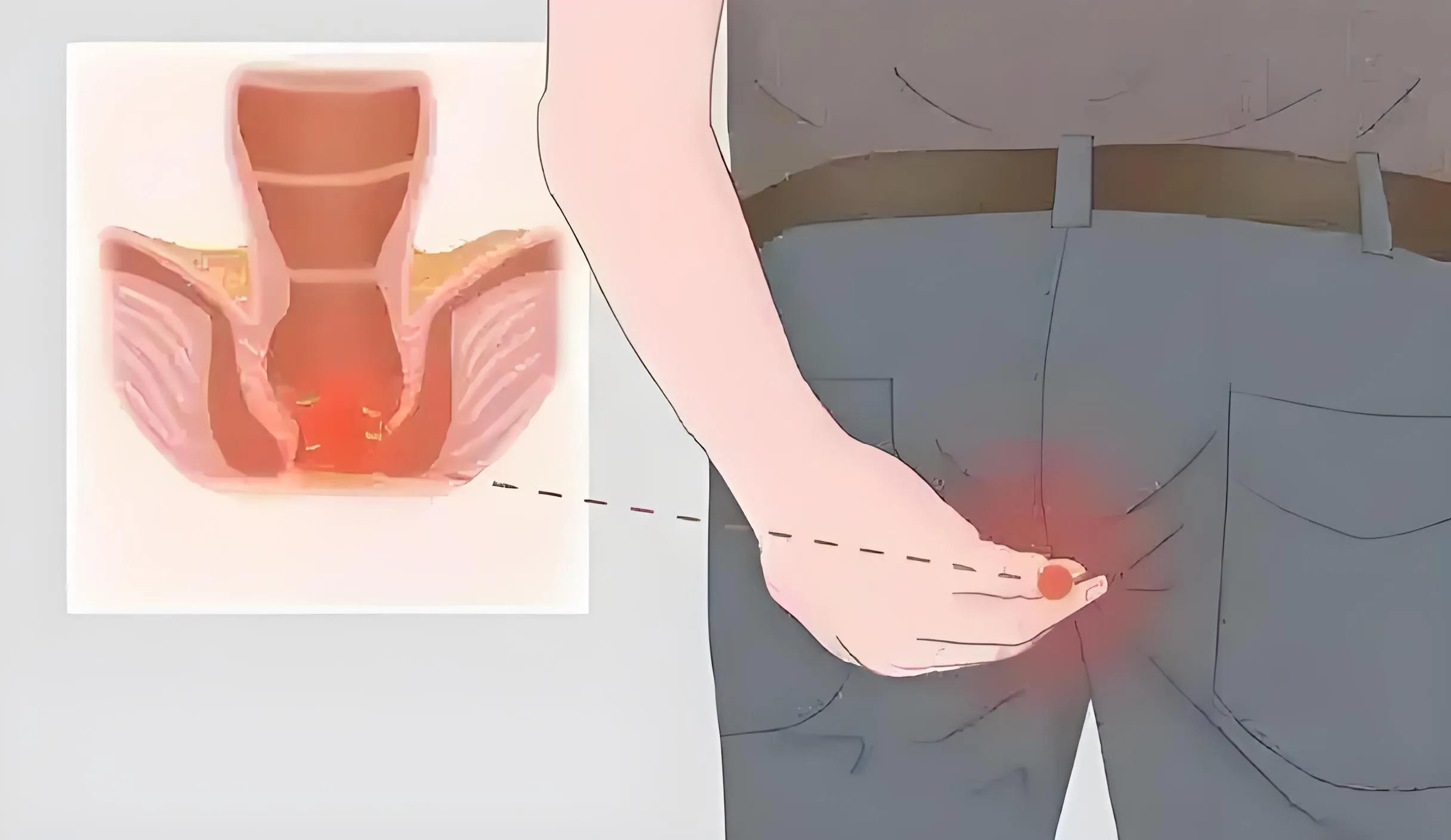
Dynamic Interference from Perianal Muscles
2. Dual Threats from Bowel Function
The primary function of the anus is defecation, and feces contain large amounts of bacteria and digestive enzymes. During each bowel movement, feces not only cause friction damage to the wound surface but also introduce bacteria into the wound, increasing the risk of infection. Simultaneously, the strong contraction of anal muscles during defecation temporarily compresses blood vessels, leading to brief ischemia and hypoxia in the wound. This repeated cycle of "mechanical damage + bacterial infection + ischemic stimulation" acts like continuous "secondary assaults" on the wound, naturally delaying the healing process.
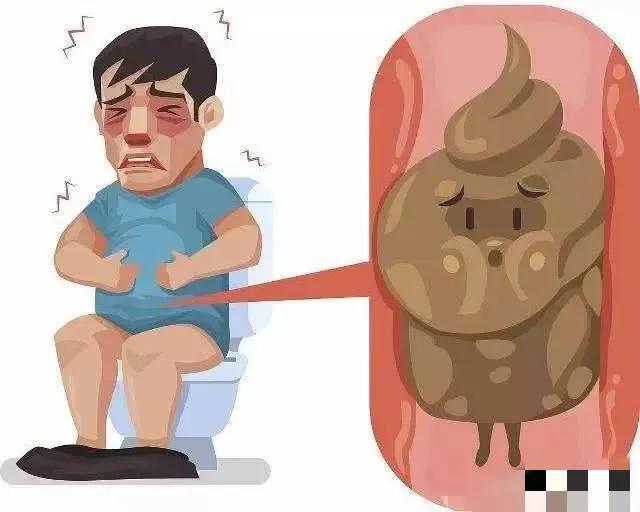
Defecation Stimulation
3. Damp and Contaminated Local Microenvironment
The anal area is warm and humid with numerous skin folds, making it prone to retaining fecal residue and secretions, creating an ideal environment for bacterial growth. If the surgical wound becomes contaminated, it can easily trigger an inflammatory response, disrupting the normal "inflammation-repair-remodeling" healing process. Additionally, the abundant secretion from sweat and sebaceous glands in the perianal skin mixes with wound exudate, disrupting the local cellular environment and further impeding the growth of new tissue.

The anal area is moist
4. Special Challenges of Blood Circulation and Tissue Repair
The blood vessels around the anus function like a complex "water supply system": the arteries are responsible for delivering nutrients and have abundant blood flow, but venous return has inherent defects—it lacks venous valves and is prone to congestion due to increased abdominal pressure during bowel movements. This leads to local tissue edema, making it difficult for nutrients and immune cells to effectively reach the wound. Meanwhile, anal wounds involve two types of tissue repair: repair of the intestinal mucosa above the dentate line relies on fragile mucosal cells, which are easily damaged by inflammation and friction; repair of the skin below the dentate line is hindered by contamination, slowing down the growth rate of epidermal cells. This "dual repair mission" combined with compromised blood circulation prolongs the healing cycle by approximately 30%–50% compared to ordinary wounds.
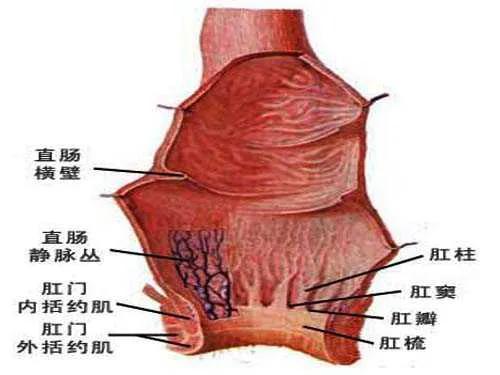
The anal veins lack venous valves.
Key to Scientific Care for Accelerated Healing
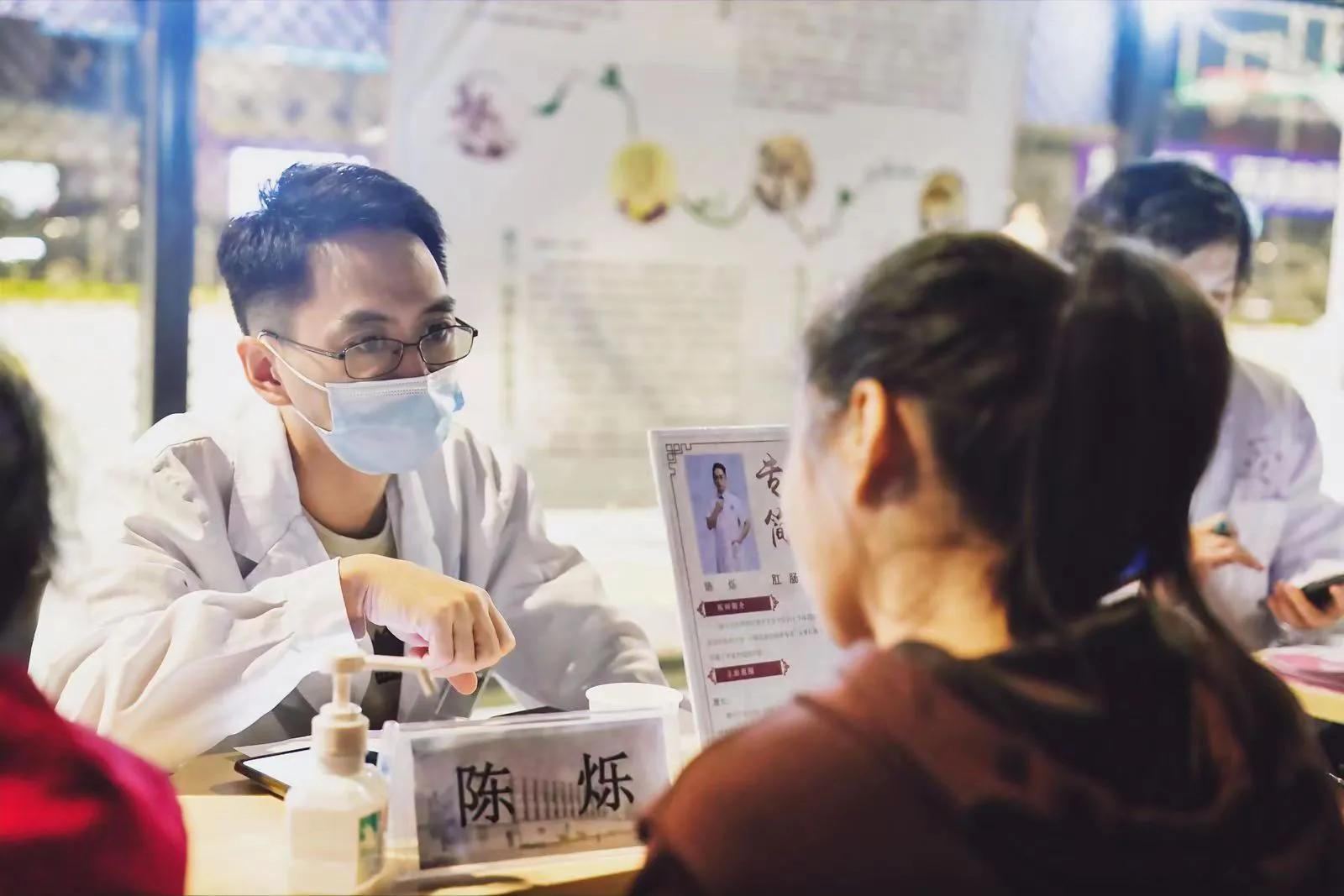
To address these special factors, postoperative patients should pay attention to:
Maintain smooth bowel movements: Adjust diet (increase dietary fiber and water intake) to avoid hard stools irritating the wound. The ideal stool consistency is "banana-like soft stool" (Bristol Stool Scale types 3-4);
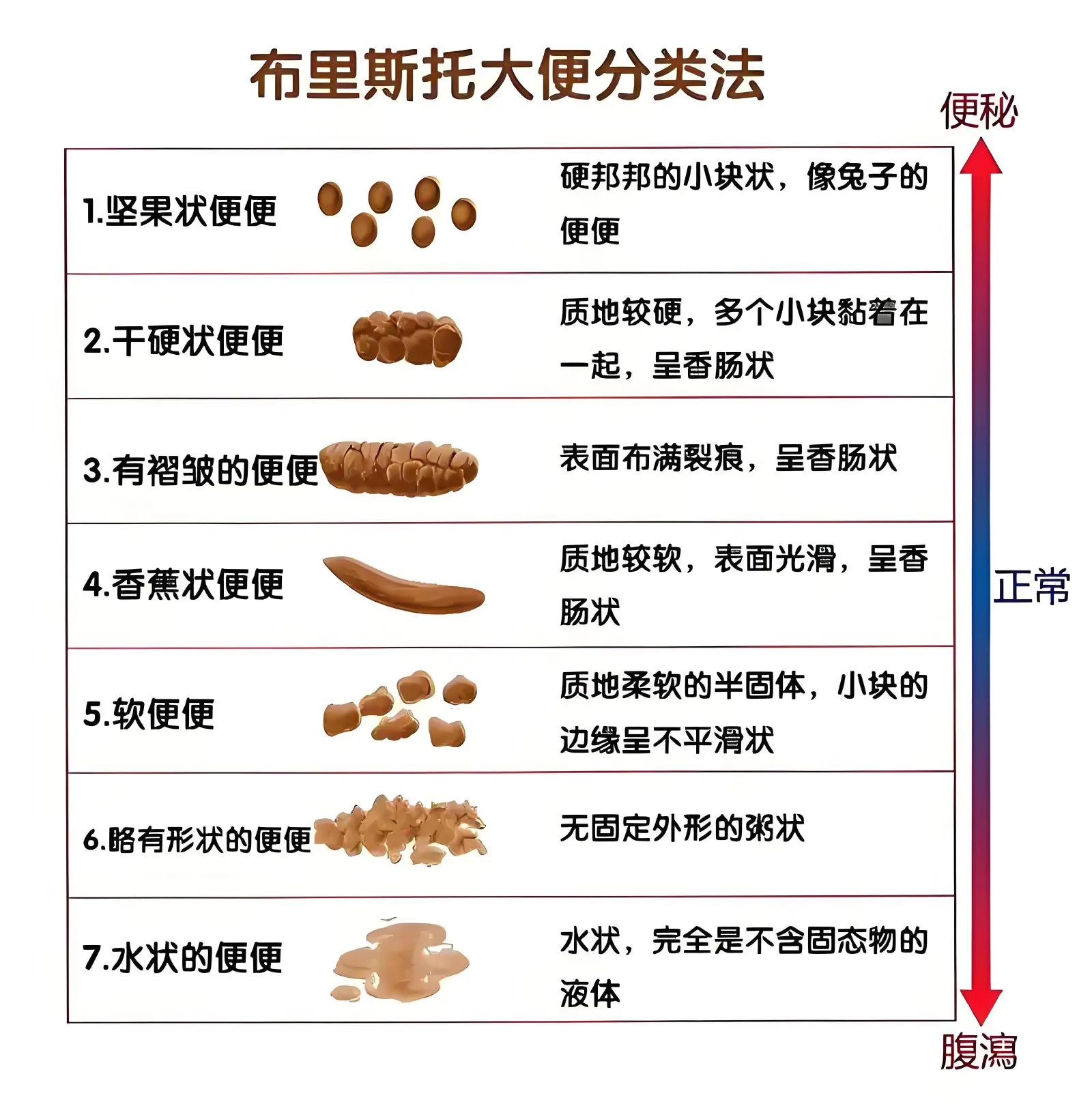
Stool Form Classification
1. Enhance local cleanliness: After each bowel movement, take a 10-15 minute sitz bath with 37-40°C warm water or medicated solution, along with gentle irrigation to remove residual contaminants, creating a clean healing environment.
2. Promote blood circulation: Avoid prolonged sitting (no more than 40 minutes at a time), adopt a side-lying position for resting, and use microcirculation-improving medications under a doctor's guidance when necessary.
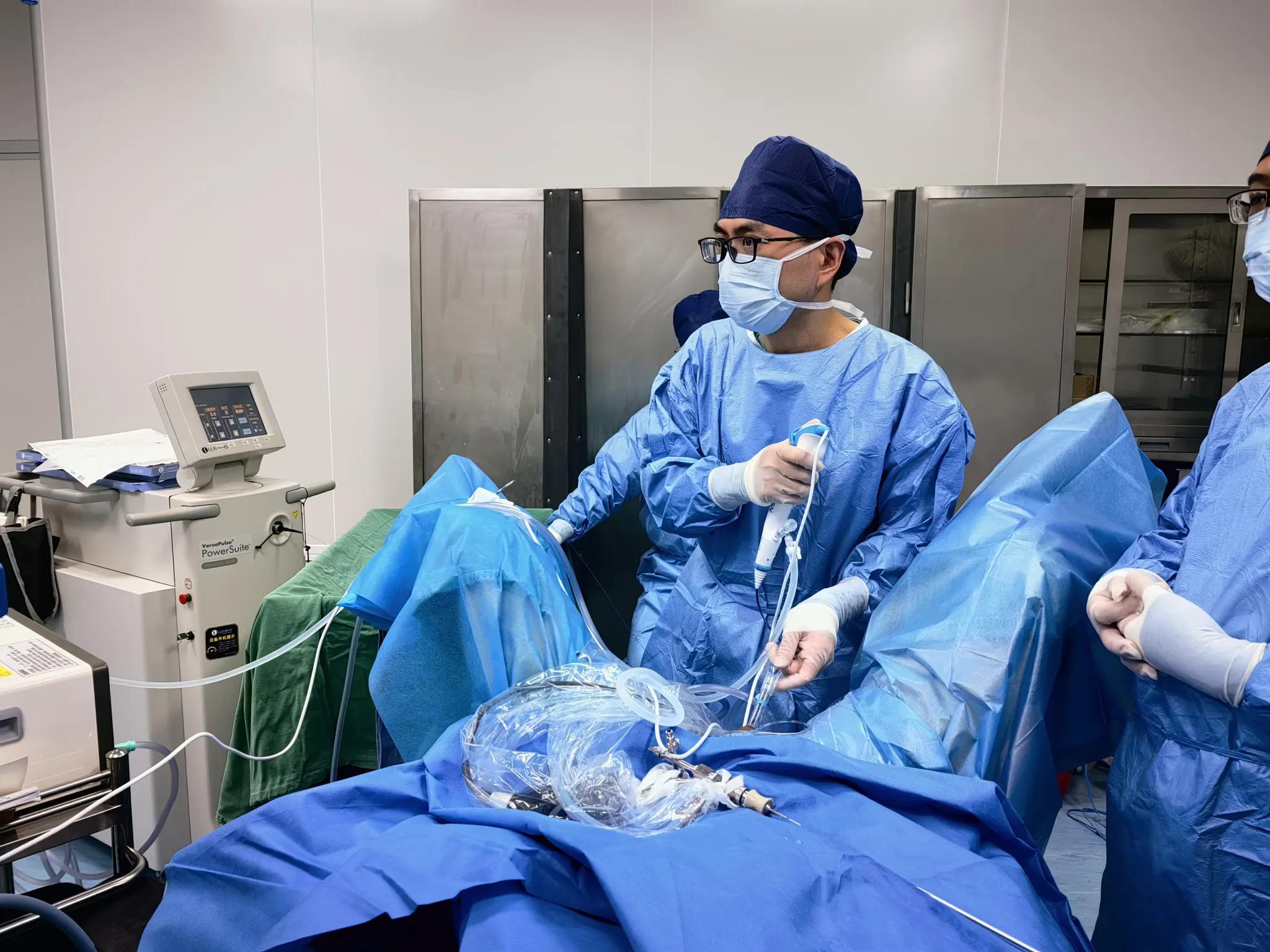
Surgery
Although anal surgical wounds typically take 3-5 weeks to heal (1-2 weeks longer than ordinary wounds), proper scientific care can significantly reduce infection risks (standardized care lowers infection rates from 25% to below 8%) and accelerate recovery. Understanding these physiological characteristics and cooperating patiently with treatment are crucial for promoting smooth wound healing.